
It is one of the most common questions homeowners ask when they are ready to invest in their property but working within a budget that does not cover everything at once. Kitchen or bathroom first? Both rooms carry strong renovation reputations for adding value, both are among the most used spaces in any home, and both involve enough complexity that doing one well typically exhausts the budget available before the other can be addressed simultaneously.
The answer is not universal, and anyone who tells you definitively that one always beats the other without knowing anything about your specific home, your local market, and your personal situation is oversimplifying a decision that deserves more careful thought than a general rule can provide.
What the Kitchen Brings to the Table
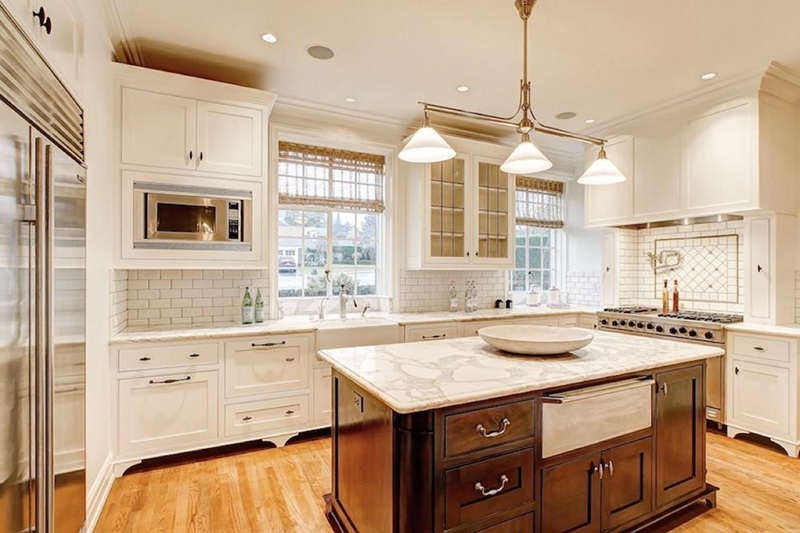
The kitchen has held its position as the highest-return renovation in residential real estate for decades, and that reputation is grounded in real market behavior rather than design trend enthusiasm. Buyers spend more time evaluating kitchens during home tours than almost any other room, and an outdated kitchen depresses buyer perception of the entire home in a way that dated bathrooms do not quite replicate.
The reasons are partly functional and partly psychological. Kitchens are central to daily household life in a way that is visible and immediate. They are also expensive to update after purchase, which means buyers factor the cost of an eventual kitchen renovation into their offer when the existing kitchen is clearly behind current standards. A seller with an updated kitchen eliminates that mental deduction from the buyer’s calculation, often recovering the renovation cost and more in the final sale price.
Return on investment figures for kitchen remodels vary significantly depending on the scope and the market, but mid-range kitchen renovations consistently return between 60 and 80 percent of their cost in added home value in most markets. Full high-end kitchen overhauls often return less on a percentage basis because the cost escalates faster than the value added, which is why the sweet spot for investment-focused kitchen renovation is typically a thorough mid-range update rather than a luxury transformation.
The Bathroom’s Underrated Value
Bathrooms are frequently underestimated in the value conversation, partly because kitchens dominate the discussion and partly because individual bathroom renovations cost less in absolute terms, making the return feel smaller even when the percentage is comparable.
A primary bathroom renovation in particular delivers strong value because buyers evaluate master bath quality with nearly the same scrutiny they apply to kitchens. Outdated primary bathrooms with dated tile, single vanities in homes where double vanities are now standard, or shower and tub configurations that no longer meet buyer expectations create the same kind of mental deduction from offer prices that a dated kitchen does.
Secondary bathroom renovations return less on a percentage basis than primary bathroom updates, which is worth knowing when prioritizing within a budget. A home with a beautifully updated primary bathroom and an average secondary bathroom is in a stronger position than one with two mediocre bathrooms of equal quality, because buyers weigh the primary bathroom experience much more heavily in their overall evaluation.
How Your Specific Home Changes the Calculation
The theoretical return figures for kitchen and bathroom renovations are useful context, but your specific home may deviate significantly from the average in ways that change which project makes more sense to prioritize.
If your kitchen is genuinely functional and reasonably current but your primary bathroom has not been touched since the 1990s, the bathroom renovation may offer better relative return simply because it brings a lagging space up to standard rather than elevating an already adequate space further. Renovation value is partly about closing the gap between what you have and what buyers expect, and the room with the larger gap typically offers the better return on closing it.
Condition issues that affect function rather than just aesthetics change the priority entirely. A kitchen with a failing dishwasher, inadequate ventilation, and a layout that genuinely impairs how the room is used needs attention for functional reasons that override the abstract value conversation. A bathroom with water damage, grout failure allowing moisture intrusion, or plumbing that needs replacement is not a candidate for deferral regardless of how the return percentages compare.
Port St. Lucie Market Considerations
Local market conditions influence which renovations return the most value, and the Port St. Lucie market has specific characteristics that affect the kitchen versus bathroom calculation for homeowners in this area. Florida’s climate, buyer profile, and the mix of primary residences and properties attracting retirees and seasonal buyers all shape what upgrades resonate most strongly with local buyers.
For homeowners in this market working with experienced local professionals, getting specific guidance on what local buyers are responding to most strongly before committing renovation budget is worth the conversation. What returns strongly in a high-density urban market may differ from what moves the needle in a Florida residential market with its specific buyer expectations and climate-driven priorities.
Working with professionals in Remodeling Port St Lucie who understand local buyer behavior and what renovation quality local contractors consistently deliver at different price points gives homeowners an advantage that national average data alone cannot provide. Local expertise translates directly into renovation decisions that serve the specific market the home will eventually sell in rather than the national average that may not reflect local buyer priorities accurately.
Timing and Disruption as Decision Factors
Beyond return on investment, the practical disruption of each renovation type legitimately influences which project makes sense to tackle first, particularly for homeowners living in the home during the work.
A kitchen renovation disrupts daily life significantly. The inability to cook at home, the dust and construction traffic through central living spaces, and the extended timeline of a comprehensive kitchen project make it one of the more demanding home improvements to live through. Temporary kitchen setups, meal planning around restaurant and takeout budgets, and the general chaos of a gutted kitchen for several weeks are realities that affect families differently depending on their circumstances.
Bathroom renovations are disruptive in a more contained way, particularly in homes with more than one bathroom that allows the household to continue functioning normally while one bathroom is under construction. The disruption timeline is typically shorter than a kitchen project as well, making the bathroom renovation more manageable for families who cannot tolerate extended construction disruption to their daily routines.
Making the Decision That Serves Your Situation
The kitchen versus bathroom decision ultimately comes down to three considerations evaluated in combination: which room has the larger gap from current buyer expectations, which renovation fits within the available budget at a quality level that delivers genuine value, and which project the household can practically manage given current life circumstances.
Homeowners who approach this decision with those three factors in mind and supplement them with guidance from professionals who know the local market consistently make renovation investments they do not regret. Those who follow generic advice without accounting for their specific home, their specific market, and their specific circumstances sometimes find that the theoretically better investment was not the practically better one for their situation.
For Port St. Lucie homeowners making this decision, the combination of a realistic assessment of both spaces and a conversation with experienced local professionals in Remodeling Port St Lucie provides the specific guidance that turns a good general answer into the right specific one for your home and your goals.






