
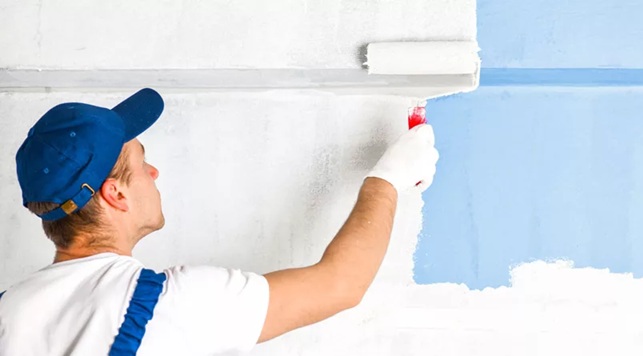
Painting looks deceptively simple. Buy paint, apply it to walls, wait for it to dry. Anyone with a roller can technically paint a room. This apparent simplicity leads many homeowners to tackle painting projects themselves, expecting to save money while achieving professional-looking results.
The reality is that painting done right involves far more than applying paint to surfaces. The difference between amateur results and what experienced painters in Toronto deliver comes down to preparation, technique, material knowledge, and hundreds of hours of experience that teaches what works and what doesn’t.
Surface Preparation Makes All the Difference
The quality of a paint job is determined largely before any paint touches the wall. Professional painters spend more time preparing surfaces than actually painting them. This isn’t inefficiency. It’s what separates results that last from results that fail within months.
Proper preparation means thoroughly cleaning surfaces to remove dirt, grease, and contaminants that prevent paint adhesion. It means scraping and sanding to create smooth surfaces free of bumps, ridges, and imperfections. It means filling holes and cracks completely, then sanding filler flush with surrounding surfaces.
It means priming surfaces appropriately for the specific conditions. New drywall needs different primer than previously painted walls. Stained wood requires stain-blocking primer. Glossy surfaces need bonding primer. Using the wrong primer or skipping it entirely undermines everything that follows.
DIY painters typically rush or skip preparation steps. They might wipe walls with a damp cloth rather than properly cleaning them. They might patch obvious holes but ignore smaller imperfections. They often skip primer or use all-purpose primer regardless of surface conditions. These shortcuts save time short-term but create problems long-term.
Application Technique Creates Professional Finishes
Applying paint evenly without visible brush marks, roller stipple, or lap lines requires technique that comes from experience. Professional painters develop muscle memory for proper pressure, angle, and motion. They know how much paint to load onto brushes and rollers. They understand how to maintain wet edges to prevent lap marks.
Cutting in, painting the edges and corners where rollers can’t reach, demands steady hands and precise control. Professional painters create crisp, straight lines between walls and ceilings, walls and trim, and where different colors meet. DIY painters often struggle with wavy lines, paint bleeding under tape, or visible gaps where edges don’t quite meet.
Rolling technique matters too. Professionals use consistent patterns that ensure even coverage without creating visible texture variations. They overlap strokes properly to avoid holidays, areas where coverage is thin. They know when to reload rollers and how to work paint into corners and edges.
Spray application, when appropriate, requires even more skill. Professionals control distance, angle, overlap, and speed to create perfectly even coats without runs, sags, or dry spray. DIY spray painting typically results in uneven coverage, overspray everywhere, and wasted paint.
Material Knowledge Prevents Costly Mistakes
Paint isn’t paint. Different formulations suit different applications. Flat paint hides imperfections but doesn’t clean well. Gloss paint cleans easily but highlights every flaw. Eggshell and satin finishes balance these trade-offs but vary between manufacturers.
Professional painters understand these distinctions. They recommend finishes appropriate for each room and surface. They know which brands offer better coverage, easier application, or superior durability. They understand how different paints interact with different primers and substrates.
They also know when specialty products are needed. High-moisture areas need mildew-resistant paints. High-traffic areas benefit from scrubbable finishes. Trim paint should be harder and more durable than wall paint. Exterior paint must withstand UV exposure and temperature extremes.
DIY painters often choose paint based on price or brand familiarity without understanding performance differences. They might use interior paint outside, flat paint in bathrooms, or wall paint on trim. These mistakes aren’t obvious immediately but lead to premature failure and require repainting sooner than necessary.
Efficiency That Comes From Experience
Professional painters work efficiently not because they rush but because they’ve refined their processes through repetition. They set up workspaces systematically. They move through rooms in logical sequences. They minimize wasted motion and double-handling of materials.
This efficiency means professional painters complete projects faster than DIYers. What takes a homeowner a full weekend takes a professional crew hours. The time savings matter especially for occupied homes where prolonged disruption affects daily life.
Efficiency also reduces mess and disruption. Professional painters protect floors, furniture, and fixtures thoroughly before starting. They contain dust and debris. They clean as they work rather than leaving it all for the end. They leave spaces usable at the end of each day rather than creating extended periods of chaos.
Problem-Solving Experience
Painting projects rarely go exactly as planned. Surfaces reveal problems when preparation begins. Paint doesn’t always behave as expected. Weather affects exterior work. Color looks different on walls than it did on samples.
Professional painters have encountered these issues hundreds of times. They know how to address water stains that bleed through paint. They understand how to deal with textured surfaces that don’t sand smoothly. They’ve solved color matching challenges and coverage problems.
When problems arise, they adapt based on experience rather than guessing or giving up. They have backup materials and know alternative approaches. They understand when to stop and address underlying issues rather than painting over problems.
DIY painters facing unexpected problems often struggle to find solutions. They might not recognize issues that need addressing. They might attempt fixes that make things worse. They waste time and materials experimenting with solutions that professionals know won’t work.
Proper Tools and Equipment
Professional painters own quality tools and know how to use them. Good brushes hold more paint, apply it more evenly, and create better finishes than cheap brushes. Quality rollers distribute paint uniformly without shedding fibers. Proper scaffolding and ladders provide safe access to high areas.
Specialized tools handle specific situations. Airless sprayers create perfect finishes on large surfaces. Texture guns match existing wall textures. Corner rollers reach tight spaces. Extension poles allow painting high walls without ladders.
DIY painters typically use whatever tools they can buy inexpensively at hardware stores. Cheap brushes leave brush marks. Bargain rollers create uneven texture. Improvised access methods create safety hazards. The tool quality limits result quality no matter how carefully paint is applied.
Understanding Color and Sheen
Color selection seems straightforward but involves complexity that professionals navigate better than homeowners. Colors look different in small samples than on full walls. Lighting affects appearance dramatically. Adjacent colors influence how colors appear.
Professional painters help clients choose colors that work in their specific spaces with their lighting conditions. They understand how north-facing rooms need different colors than south-facing ones. They know which colors show imperfections and which hide them.
They also understand sheen selection. Flat, eggshell, satin, semi-gloss, and high-gloss finishes all have appropriate applications. Choosing wrong sheens creates problems that aren’t fixable without repainting.
The True Cost Comparison
DIY painting seems cheaper because you’re not paying labor costs. But this comparison ignores several factors that affect actual cost.
Your time has value. Spending a weekend painting means not doing other things. If you earn decent income, the time spent painting represents significant opportunity cost. Professional painters complete work faster, returning your time for other purposes.
Materials often cost more for DIYers than professionals. Painters buy in volume at contractor pricing. They waste less through experience. DIY projects often involve buying too much or too little, extra trips to the store, and unused materials that sit in garages for years.
Tool costs add up. Brushes, rollers, trays, drop cloths, tape, ladders, and other supplies represent real money. If you already own quality tools, fine. But equipping yourself properly for one project costs hundreds of dollars.
Do-over costs matter too. If DIY results disappoint and you hire professionals anyway, you’ve paid twice. Even if results are acceptable, they might not last as long as professional work, requiring repainting sooner.
Safety Considerations
Painting involves working on ladders, handling chemicals, and creating dust. Professionals are trained in safe practices and carry insurance for accidents. DIYers risk falls, chemical exposure, and injuries without the safety knowledge or insurance protection professionals have.
High walls, stairwells, and exterior work present particular hazards. Professional scaffolding and safety equipment provide secure access. Homeowners often improvise with chairs, unstable ladders, or dangerous positioning.
When DIY Makes Sense
DIY painting isn’t always wrong. Small projects in non-critical spaces work for competent DIYers. Painting a garage, storage room, or utility area where perfect results aren’t required can be reasonable DIY projects.
If you genuinely enjoy painting and have time to do it properly, DIY can be satisfying. If you’re willing to learn proper techniques and use quality materials, results can be acceptable.
But for visible living spaces, complex projects, or situations where quality and longevity matter, professional painters deliver results DIY cannot match. The difference isn’t subtle. It’s obvious in the final appearance and durability of the work.
Painting is a skilled trade that looks simple but isn’t. Experience, technique, and knowledge combine to create results that appear effortless but require expertise to achieve. Understanding this helps homeowners make informed decisions about when DIY makes sense and when professional painters provide better value despite higher upfront cost.






