
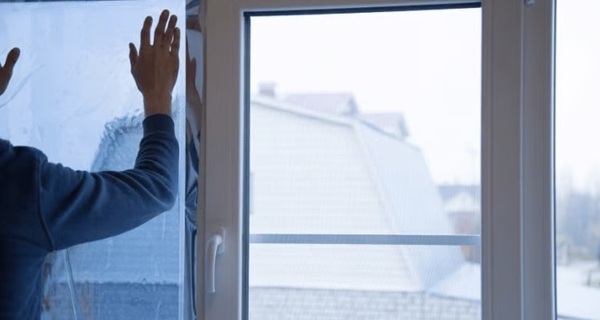
Window security film is one of those products that sounds straightforward until you start researching it and discover that it spans a wide range of materials, thicknesses, performance levels, and applications. The category includes everything from thin solar control films that offer minimal security benefit to multi-layer, bomb-blast-rated systems used in government buildings. Understanding where you are on that spectrum, and what level of protection actually makes sense for your situation, is the starting point for making a good decision.
For most residential and commercial applications in Ontario, the relevant question is not whether to use the thickest or most technically impressive film available, but which product and installation approach delivers the right protection for the specific risks at your property. A retail storefront in a neighbourhood with higher break-in incidents has different requirements than a suburban home where the primary concern is the safety risk of accidental glass breakage rather than forced entry.
Getting the film selection and installation right requires expertise. Security window film installed professionally by ROLLerUP uses premium polyester film products matched to the specific glass type, frame condition, and security objective of each application. The difference between a properly installed quality film and an improperly installed product shows up clearly in both appearance and performance, and the installation is what makes the difference.
How Security Film Actually Works
Security window film is a polyester-based product, typically consisting of multiple bonded layers, applied directly to the interior surface of glass. Its primary mechanism is holding broken glass fragments together after an impact rather than preventing the glass from breaking. When glass treated with security film is struck hard enough to break, the film holds the shards and fragments in the frame opening rather than allowing them to scatter or collapse inward.
The practical effect is that gaining entry through a security-filmed window requires sustained, repeated strikes rather than a single clean break. Each additional strike makes noise, creates visible commotion, and consumes time, all of which work against an intruder seeking quick, quiet access. Studies of retail break-in attempts consistently show that most opportunistic intruders abandon an entry attempt when it takes significantly longer or creates more noise than expected.
Film Thickness and What It Means for Performance
Security film is measured in mils, where one mil equals one-thousandth of an inch. Standard residential applications typically use film in the 4 to 8 mil range. Commercial security applications commonly specify 8 to 12 mil products. Blast mitigation applications for government or high-security facilities use 12 mil and above, often combined with attachment systems that anchor the film to the frame rather than just to the glass surface.
Thicker film holds glass fragments together more effectively after a higher-energy impact, but for most residential and small commercial applications, the performance difference between a well-installed 4 mil and an 8 mil film is less significant than the difference between a well-installed film of any thickness and no film at all. Choosing a reputable film product from a quality manufacturer and ensuring it is installed correctly matters more than optimizing thickness within the ranges appropriate for your application.
The UV Protection Benefit That Comes With Security Film
A meaningful secondary benefit of most security window films is UV blocking performance. Standard residential glass transmits the majority of UV radiation, which is the component of sunlight responsible for fading fabric, flooring, artwork, and wood finishes. Security film typically blocks up to 99 percent of UV, which extends the life of interior furnishings and floor surfaces significantly in rooms with significant window exposure.
This UV protection benefit makes security film relevant to homeowners who are not primarily concerned with break-in risk but want to protect interior furnishings from sun damage. For south or west-facing rooms in Toronto that receive direct afternoon sun, the UV blocking and solar heat reduction properties of security film can justify the investment on those grounds alone, with the safety and security benefit functioning as a valuable secondary outcome.
Solar Control and Thermal Comfort
Many security film products also incorporate solar control properties that reduce the amount of solar heat transmitted through the glass. In Toronto’s summer months, rooms with large south or west-facing windows can accumulate significant solar heat gain that makes the space uncomfortable and increases air conditioning demand. Solar control films reduce that heat gain while still allowing visible light transmission, improving comfort without the complete light-blocking effect of window coverings.
The trade-off is that some solar control films reduce visible light transmission to varying degrees, making the room slightly darker or giving the glass a tinted appearance from the exterior. Choosing a product with the right balance of solar control performance and visible light transmission for the specific application requires input from a knowledgeable installer who can recommend products matched to your priorities and the aesthetic of the space.
Professional Installation vs DIY
Window security film is available as a consumer product for DIY installation, and for very small applications on standard flat glass, a careful homeowner can achieve acceptable results. For any application where security performance is the primary goal, professional installation is strongly recommended. The reason is that film performance depends critically on adhesion quality, which is affected by the cleanliness of the glass surface, the precision of the application technique, and the absence of bubbles, wrinkles, or edge lifting that create vulnerabilities in the film’s coverage.
A professionally installed film on commercial-grade glass, applied by a trained technician using proper tools and surface preparation, will outperform a self-installed film of the same specification every time. The investment in professional installation also typically comes with a warranty on both the film product and the workmanship, which a DIY installation cannot provide.
Maintenance and Longevity
Quality security film installed on interior glass surfaces lasts fifteen to twenty years in most residential applications. Interior installation protects the film from the UV degradation and weathering that would affect an exterior installation, which is why interior application is the industry standard for most residential and commercial security film applications.
Maintenance is simple: clean filmed windows with a mild soap solution and a soft cloth or squeegee. Avoid abrasive cleaners, ammonia-based products such as many glass cleaners, and abrasive pads that can scratch the film surface or compromise the adhesion at the edges. The first thirty days after installation, while the adhesive cures fully, require particular care; during this period, any moisture that appears as a slight haze between the film and the glass will typically clear as the curing completes.






