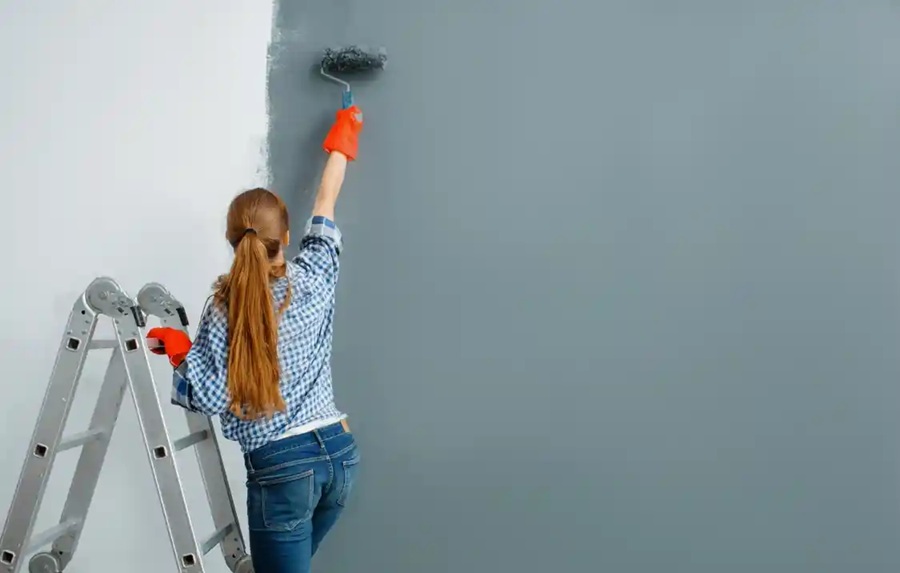
Fresh paint has the power to transform a property. It can modernize outdated spaces, improve curb appeal, and create a cleaner, more inviting environment. Yet many homeowners focus almost entirely on color selection while paying little attention to the work that takes place before the first coat is applied.
The truth is that paint performance is heavily influenced by what happens beneath the surface. Even premium products can struggle when preparation is rushed or overlooked. Peeling, blistering, cracking, and uneven finishes often trace back to problems that existed before painting ever began.
While the finished appearance receives most of the attention, long-term durability depends on a series of preparation decisions that many property owners never see. Understanding these factors helps explain why some paint jobs continue looking great for years while others begin showing signs of failure much sooner than expected.
Why Paint Is Only as Good as the Surface Beneath It
Paint is designed to bond with a properly prepared substrate. When surfaces contain dirt, moisture, loose coatings, or structural imperfections, that bond becomes significantly weaker.
Many painting failures are mistakenly blamed on paint quality when the real issue involves inadequate preparation. A surface that appears acceptable from a distance may still contain contaminants that interfere with adhesion.
Experienced professionals understand that successful painting projects begin long before the paint can is opened. Surface evaluation often determines the overall lifespan of the finished work.
Existing Conditions Often Tell a Larger Story
Cracks, stains, bubbling paint, and discoloration frequently indicate underlying issues rather than isolated cosmetic concerns. Simply covering these problems rarely produces lasting results.
Water intrusion, UV exposure, temperature fluctuations, and previous repair work can all affect how a surface performs. Addressing these factors before painting helps prevent recurring issues that may otherwise return through the new coating.
A thorough assessment provides valuable information about what preparation methods will be required for long-term success.
Cleaning Plays a Bigger Role Than Most People Realize
Even surfaces that appear clean can contain dust, oils, pollutants, mildew, or residue that interfere with paint adhesion. These contaminants create barriers between the coating and the substrate.
Proper cleaning methods vary depending on the material being painted. Exterior surfaces often require more intensive cleaning due to exposure to weather, airborne pollutants, and organic growth.
Professionals at PB Painting understand that cleaning is not simply a cosmetic step. It establishes the foundation necessary for coatings to perform as intended over time.
The Impact of Proper Sanding and Surface Profiling
Sanding serves multiple purposes beyond smoothing visible imperfections. It can remove unstable material, improve adhesion, and create a more uniform surface for paint application.
Different materials require different preparation approaches. Drywall, wood, metal, and previously painted surfaces each respond differently to sanding techniques and abrasives.
A properly profiled surface allows coatings to bond more effectively. Without this step, even high-quality paint may struggle to achieve maximum durability.
Smooth Does Not Always Mean Ready
One common misconception is that a visually smooth surface is automatically prepared for painting. In reality, surfaces can appear flawless while still lacking the texture necessary for proper adhesion.
Certain glossy coatings, for example, may resist new paint unless they are appropriately deglossed or mechanically prepared. Skipping this process often contributes to premature coating failure.
Successful preparation balances smoothness with the conditions required for strong bonding.
Repair Work Often Determines the Final Appearance
Paint can enhance a surface, but it cannot permanently hide structural defects. Cracks, dents, damaged trim, and deteriorated materials often become more noticeable after painting if repairs are not completed correctly.
Preparation frequently includes patching, filling, caulking, and replacing damaged components before coatings are applied. These tasks help create a uniform surface capable of producing a professional finish.
Many homeowners are surprised by how much repair work occurs before painting begins. Yet these efforts often have a greater impact on the final appearance than the paint itself.
Moisture Control Remains One of the Most Overlooked Factors
Moisture is among the leading causes of paint failure. When water becomes trapped beneath a coating, it can cause blistering, peeling, staining, and loss of adhesion.
Before painting begins, surfaces should be evaluated for active leaks, excessive humidity, or moisture-related damage. Simply applying paint over affected areas rarely resolves the underlying issue.
An experienced Painter San Diego property owners trust will typically investigate moisture concerns before recommending a coating system. Addressing the source of the problem is essential for achieving lasting results.
Weather Conditions Also Influence Performance
Environmental conditions affect preparation and application alike. Temperature, humidity, and surface moisture levels all contribute to coating performance.
Paint applied under unsuitable conditions may cure improperly or develop adhesion issues. This is particularly important for exterior projects where environmental exposure can change rapidly.
Proper scheduling helps ensure surfaces remain within recommended conditions throughout the preparation and painting process.
Primers Serve a Purpose Beyond Coverage
Some homeowners view primer as an optional step designed only to improve color consistency. In reality, primers often play a critical role in surface preparation.
Primers can seal porous materials, improve adhesion, block stains, and create a more stable foundation for finish coats. Selecting the correct primer depends on both the substrate and the project environment.
A knowledgeable Painter San Diego homeowners rely on will evaluate these variables before determining the most suitable preparation system. The right primer can significantly improve coating longevity and appearance.
Long-Term Results Are Built Before Painting Begins
The quality of a paint job is rarely determined by the final coat alone. Durability, appearance, and performance are heavily influenced by the preparation decisions made throughout the project.
PB Painting recognizes that successful painting involves much more than applying color to a surface. Careful cleaning, repairs, moisture management, sanding, and priming all contribute to results that remain attractive and durable over time.
When homeowners evaluate painting projects, focusing solely on products or colors can overlook the factors that matter most. The preparation process may not receive the same attention as the finished appearance, but it often determines whether paint lasts for years or begins failing far sooner than expected.