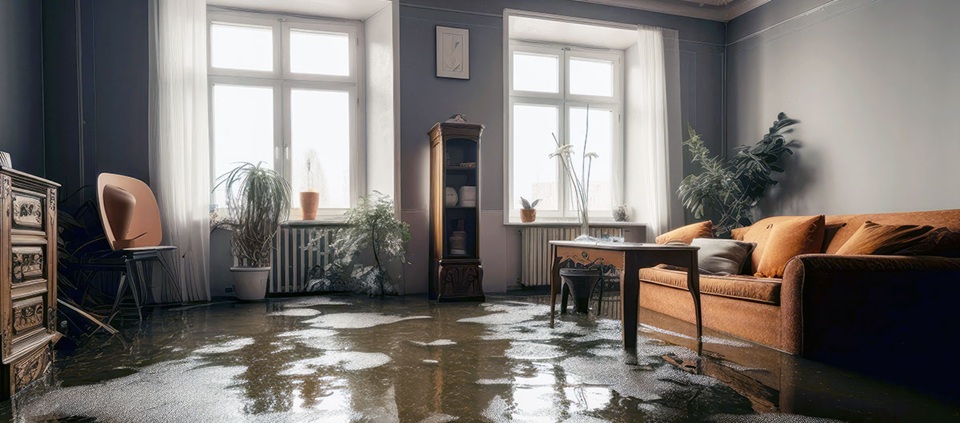
When homeowners think about roofing systems, shingles usually receive the most attention. They are the most visible part of the roof and often become the primary focus during inspections, repairs, and replacement projects. While shingles play an important role, they represent only one layer within a much larger system designed to protect a home from water intrusion.
A roof functions as a collection of interconnected components working together to manage rain, snow, wind, and moisture. When one element underperforms, the effects can extend far beyond the roof itself. Water damage frequently develops because a less visible component failed long before homeowners noticed any signs inside the property.
Understanding these overlooked elements can help homeowners make better decisions about roof maintenance, repairs, and long-term protection. In many cases, the most important parts of a roofing system are the ones that receive the least attention.
Why Water Damage Is Often a System Failure
Roof leaks are commonly associated with damaged shingles, but water intrusion is often more complicated. Moisture can enter through vulnerable areas where different roofing components meet, overlap, or transition.
A roof’s ability to remain watertight depends on multiple layers working together. If one component becomes compromised, water may find pathways into the structure even when the shingles appear to be in relatively good condition.
This is one reason roofing professionals frequently evaluate the entire system rather than focusing solely on visible surface materials.
The Problem With Visible-Only Inspections
Many roofing concerns begin in areas that are difficult to see from the ground. Homeowners may inspect shingles regularly while overlooking critical transition points where moisture issues often originate.
Because water can travel before becoming visible inside the home, the actual source of a problem may be located far from where damage first appears. Thorough inspections help identify these hidden vulnerabilities before they develop into larger concerns.
Looking beyond the most obvious roofing elements often provides a more accurate picture of overall roof health.
Flashing Plays a Critical Protective Role
Flashing is one of the most important yet least appreciated components of a roofing system. Installed around roof penetrations, walls, chimneys, skylights, and other transitions, flashing helps direct water away from vulnerable areas.
Unlike shingles, which primarily cover large roof surfaces, flashing protects locations where water naturally concentrates. Even small failures in flashing systems can allow moisture to enter the structure.
Experienced roofing professionals understand that properly installed flashing often determines whether a roofing system successfully resists water intrusion over time.
Underlayment Provides an Additional Layer of Defense
Many homeowners never see roofing underlayment because it remains hidden beneath finished roofing materials. Despite its lack of visibility, underlayment serves as a critical secondary barrier against moisture.
If wind-driven rain, ice, or damaged roofing materials allow water to bypass the outer surface, underlayment can provide additional protection for the roof deck below. This extra layer helps reduce the likelihood of moisture reaching structural components.
Companies such as Armor Roofing Systems recognize that high-quality roofing performance depends on the reliability of both visible and concealed materials.
Not All Underlayment Systems Perform Equally
Different underlayment products offer varying levels of moisture resistance, durability, and weather protection. Selection often depends on roof design, climate conditions, and project requirements.
While homeowners may focus primarily on shingle choices, the materials installed beneath those shingles can significantly influence long-term performance. Evaluating the entire roofing assembly often leads to better protection and durability.
A roofing system is strongest when every layer contributes effectively to moisture management.
Ventilation Supports More Than Temperature Control
Roof ventilation is frequently associated with comfort and energy efficiency. However, ventilation also plays a major role in protecting roofing components from moisture-related damage.
Poor ventilation can allow excess humidity to accumulate within attic spaces. Over time, this trapped moisture may contribute to mold growth, wood deterioration, insulation problems, and premature roofing wear.
Proper airflow helps maintain balanced conditions that support the overall health of the roofing system. This often extends the lifespan of both structural and roofing materials.
Drainage Systems Influence Roof Performance
Water management extends beyond the roof surface itself. Gutters, downspouts, and drainage pathways help direct water away from vulnerable areas of the home.
When drainage systems become clogged, damaged, or improperly designed, water may collect where it should not. Overflowing water can affect roofing components, siding, foundations, and landscaping.
Effective drainage is often highlighted during roof evaluations because water management remains one of the most important concerns for property owners working with Roofers Loveland CO specialists. Managing water after it leaves the roof is just as important as protecting the roof surface itself.
Small Drainage Issues Can Escalate
A minor blockage may appear insignificant initially. However, repeated water accumulation can gradually affect multiple parts of the property.
Overflowing gutters can contribute to fascia deterioration, soffit damage, and moisture infiltration. In some cases, water may eventually find pathways into interior spaces.
Regular evaluation of drainage systems helps reduce these risks while supporting overall roof performance.
Roof Decking Provides Structural Support
Beneath visible roofing materials lies the roof deck, which serves as the structural foundation for the entire roofing assembly. This component must remain strong and dry to perform effectively.
When moisture penetrates the roofing system, roof decking is often among the first structural elements affected. Prolonged exposure can weaken materials and create conditions requiring more extensive repairs.
Protecting the deck depends on the performance of every component above it. This interconnected relationship highlights why roofing should be viewed as a complete system rather than a collection of individual parts.
Long-Term Protection Requires a Broader Perspective
Homeowners naturally pay attention to shingles because they are easy to see and evaluate. Yet many of the components responsible for preventing water damage remain hidden from view.
Armor Roofing Systems understands that lasting roof performance depends on the combined effectiveness of flashing, underlayment, ventilation, drainage systems, and structural components. Each element contributes to protecting the home from moisture-related issues that can become costly if left unaddressed.
During a comprehensive inspection, far more than shingles are evaluated, a reality well understood throughout the Roofers Loveland CO industry where long-term roof performance depends on multiple interconnected components. Looking beyond the visible layers helps homeowners better understand how their roofs function and what it takes to protect their properties from water damage for years to come.