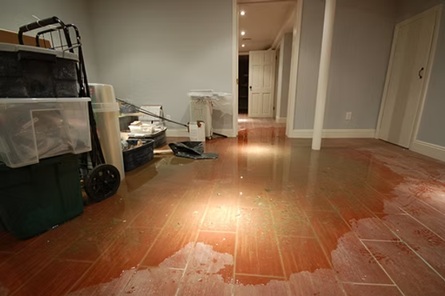
Water damage often starts quietly. A leaking pipe behind a wall, a slow roof drip, or a minor appliance failure may seem manageable at first. The real problem begins when moisture remains trapped inside the property for days or weeks.
By that stage, repairs become far more expensive.
Many homeowners focus on visible water. The larger risk usually sits underneath flooring, behind drywall, or inside insulation. Without proper extraction and drying, moisture can continue damaging structural materials long after surfaces appear dry.
Property owners searching for reliable water damage restoration services in Denver often act quickly because early intervention can reduce long-term repair costs and prevent secondary damage.
Why Water Damage Spreads So Fast
Modern homes contain several porous building materials that absorb moisture quickly.
These include:
- Drywall
- Timber framing
- Carpet and underlay
- Insulation
- Laminate flooring
- Ceiling materials
Once moisture spreads through these materials, conditions become ideal for mould growth and structural weakening.
The Environmental Protection Agency recommends drying water-damaged areas within 24 to 48 hours to reduce mould risks.
That small response window is why professional restoration teams prioritise fast extraction.
Water Damage Is Not Always Obvious
Some of the worst water damage stays hidden for weeks.
Common warning signs include:
Damp or Musty Smells
Persistent odours often signal trapped moisture inside walls or flooring.
Peeling Paint or Wallpaper
Water weakens adhesives and damages drywall surfaces.
Warped Floors
Timber and laminate flooring may swell or buckle after moisture exposure.
Ceiling Marks
Brown or yellow stains usually point to roof leaks or plumbing issues.
Soft Wall Surfaces
Walls that feel soft or uneven may contain hidden moisture.
Higher Indoor Humidity
Unexpected humidity increases can indicate concealed water intrusion.
Ignoring these signs may allow damage to spread deeper into the structure.
The Most Common Sources of Water Damage
Water damage can happen in almost any property.
Denver’s seasonal storms and changing weather conditions can increase the risk of leaks, roof damage, and excess moisture inside homes.
When these problems occur, water damage restoration in Denver can help homeowners address moisture issues promptly and reduce the risk of more expensive repairs.
Some of the most common causes include:
Burst Pipes
Frozen or ageing plumbing lines can release large amounts of water quickly.
Appliance Leaks
Dishwashers, washing machines, and water heaters often fail without warning.
Roof Leaks
Storm damage and ageing roofing materials allow water into ceilings and insulation.
Blocked Gutters
Overflowing gutters can direct water toward foundations and walls.
Flooding and Storm Runoff
Heavy rainfall may overwhelm drainage systems around the property.
Why Proper Water Extraction Matters
Surface drying alone rarely solves the problem.
Moisture often remains trapped beneath flooring and inside wall cavities even after carpets feel dry to the touch.
Professional restoration crews use commercial equipment designed to remove water from:
- Carpet underlay
- Concrete
- Timber flooring
- Structural framing
- Crawl spaces
- Internal wall cavities
This process helps reduce moisture levels before mould and structural damage worsen.
The Centers for Disease Control and Prevention recommends complete drying and proper cleanup after water exposure to reduce health risks linked to mould contamination.
What Homeowners Should Do Immediately
Fast action can reduce repair costs significantly.
1. Stop the Water Source
Shut off plumbing or leaking appliances if possible.
2. Protect Electrical Systems
Avoid wet areas near power outlets or electrical wiring.
3. Remove Furniture and Valuables
Move rugs, electronics, and furniture away from standing water.
4. Take Photos
Document visible damage for insurance claims.
5. Increase Airflow
Open windows and improve ventilation where safe.
6. Arrange Professional Drying
Specialised drying equipment removes hidden moisture faster than household fans.
Mould Can Develop Faster Than Expected
Many homeowners underestimate how quickly mould develops after water exposure.
High-risk materials include:
- Drywall
- Ceiling tiles
- Carpet padding
- Upholstered furniture
- Insulation
The EPA warns that untreated moisture problems may continue affecting indoor air quality even after visible water disappears.
That is why moisture monitoring remains a critical part of restoration work.
Choosing a Water Restoration Company
Not every contractor uses the same drying methods or inspection tools.
Before hiring a restoration team, ask about:
- Emergency response times
- Moisture detection equipment
- Commercial drying systems
- Insurance support
- Mould prevention methods
- Industry certifications
Experience matters because hidden water damage requires more than basic cleanup.
Homeowners and property managers looking for dependable restoration support often turn to HRS Restoration Services for professional water extraction, drying, and Miracle property restoration after leaks, floods, and storm-related damage.
Final Thoughts
Water damage can escalate quickly when moisture stays hidden inside a property. What appears minor at first can lead to mold growth, structural damage, and costly repairs later.
Early extraction and professional drying help limit long-term damage and restore safer indoor conditions before problems spread further.