Construction projects generate significant volumes of waste every day, from excavation spoil and demolition debris to concrete, bricks, timber, and packaging materials. Managing these materials efficiently is essential for maintaining productivity, ensuring site safety, meeting environmental regulations, and controlling project costs.
As the construction industry increasingly adopts sustainable practices, smart waste management has become a strategic component of successful project delivery. Modern waste removal solutions, recycling initiatives, and digital planning tools are helping contractors reduce landfill waste while improving operational efficiency.
The Growing Importance of Grab Hire Services
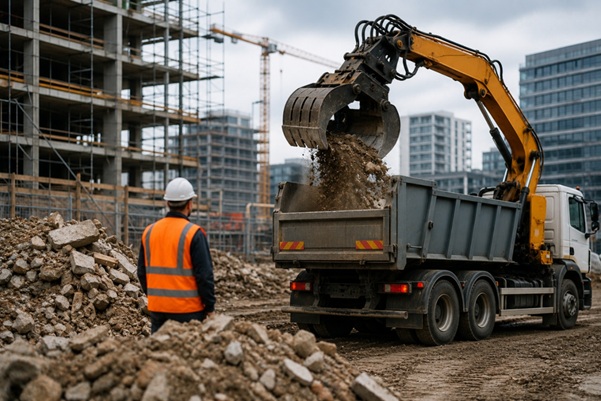
One of the most effective ways to streamline waste removal on active construction sites is by partnering with a professional grab hire company. Unlike traditional skip hire, grab lorries use hydraulic grab arms to collect and remove large volumes of waste quickly, eliminating the need for manual loading and reducing site downtime.
Companies such as Mason Trucking provide grab hire services for construction, landscaping, and infrastructure projects, offering efficient removal of soil, rubble, hardcore, green waste, and other bulk materials. Their grab lorries can access difficult areas and collect waste over walls or fences, making them particularly suitable for busy construction environments.
This approach allows contractors to maintain cleaner sites while reducing labour requirements and improving overall workflow.
Benefits of Modern Waste Management
Efficient waste management delivers advantages that extend beyond simple site clearance.
Key benefits include:
- Faster project progression
- Reduced manual handling
- Improved site safety
- Lower disposal costs
- Better compliance with environmental regulations
- Increased recycling opportunities
Removing waste promptly also creates more usable working space, allowing different trades to operate safely and efficiently without unnecessary obstructions.
Supporting Sustainable Construction
Sustainability has become a major priority across the construction sector, with developers and contractors seeking ways to minimise environmental impact throughout the project lifecycle.
Modern waste management strategies support these goals by:
- Segregating recyclable materials
- Reusing suitable aggregates
- Reducing landfill disposal
- Improving material recovery rates
- Lowering transportation emissions through efficient logistics
Many waste management providers now operate recycling facilities capable of processing soil, hardcore, and concrete into reusable construction materials, supporting circular economy principles within the industry.
Why Grab Hire Is More Efficient Than Skip Hire
While skip hire remains suitable for smaller projects, grab hire offers significant operational advantages for medium and large-scale construction sites.
Grab hire provides:
- Rapid waste collection
- No manual loading requirements
- Removal of larger waste volumes
- Access to difficult locations
- Reduced site congestion
- Elimination of skip permit requirements in many situations
A single grab lorry can often carry substantially more material than a standard skip, making it a cost-effective solution for projects generating continuous waste streams.
Improving Site Safety and Compliance
Construction waste left on-site creates numerous hazards, including trip risks, restricted access routes, and inefficient working conditions. Poor waste management can also affect compliance with health, safety, and environmental regulations.
Effective waste removal contributes to:
- Cleaner working environments
- Better traffic management
- Safer material storage
- Reduced accident risks
- Improved productivity
Maintaining organised sites allows project teams to focus on construction activities rather than waste handling and clearance.
Planning Waste Management from the Start
Successful projects integrate waste management into the planning stage rather than treating it as an afterthought.
A comprehensive waste management strategy should include:
- Forecasting expected waste volumes
- Identifying recyclable materials
- Scheduling regular collections
- Coordinating logistics with construction phases
- Monitoring waste performance metrics
Early planning reduces delays and helps contractors maintain consistent project momentum.
Technology and Data-Driven Waste Management
Digital construction management tools are increasingly helping contractors monitor waste generation, schedule collections, and optimise material usage.
Real-time data allows project managers to:
- Track waste volumes
- Improve resource allocation
- Reduce unnecessary transportation
- Measure recycling performance
- Support sustainability reporting
As Building Information Modelling (BIM) and digital project management continue to evolve, waste management is becoming more integrated into overall construction planning.
The Future of Construction Waste Management
The construction industry is moving toward smarter, more sustainable waste management solutions that combine efficient logistics with environmental responsibility.
Grab hire, material recycling, and strategic waste planning enable contractors to improve productivity while reducing operational costs and supporting circular construction practices. As regulatory expectations and sustainability targets continue to grow, investing in efficient waste management will remain an essential part of successful project delivery.
Conclusion
Effective waste management is fundamental to safe, productive, and sustainable construction sites. By adopting modern removal methods, prioritising recycling, and working with experienced waste management providers, contractors can minimise disruption, optimise site operations, and contribute to more environmentally responsible construction practices.
As projects become increasingly complex, smart waste management is no longer simply a support service—it is a critical component of efficient construction delivery.