
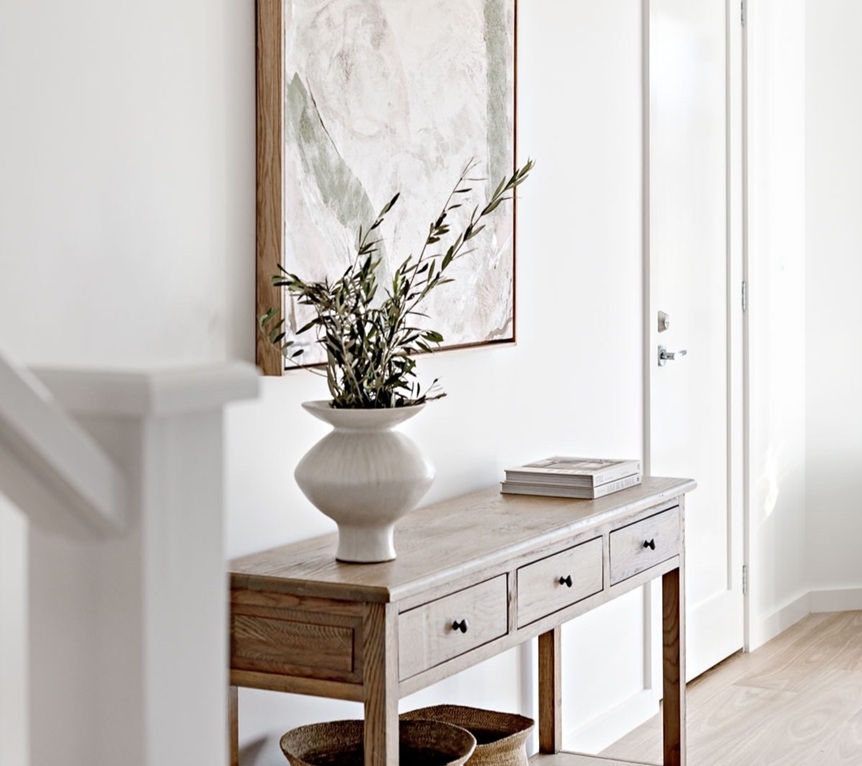
Preparing a modern home for sale is not about filling rooms with trend-led furniture or making every space look expensive. The aim is to help buyers understand the home’s proportions, flow and lifestyle potential within seconds. Strong sale-ready styling removes visual friction, gives each room a clear purpose, and creates enough warmth for buyers to imagine themselves living there.
Define Each Room With Purpose
Modern homes often have open-plan layouts, flexible rooms and pared-back finishes, which can make spaces feel undefined when they are empty or poorly arranged. Before styling, decide what each room needs to communicate. A spare room may work better as a home office than an unused bedroom, while a wide hallway or landing can be styled as a practical reading nook or storage moment.
Furniture rental can help create that clarity without requiring permanent purchases. Many vendors compare options from property styling and furniture hire providers such as Huntley + Co when they need short-term pieces that suit the scale, style and selling strategy of the home. The key is to use furniture to explain function, not to overcrowd the floor plan.
Use Scale To Make Rooms Feel Balanced
Sale-ready styling depends heavily on spatial proportion. Oversized furniture can make a room feel cramped, while pieces that are too small can make the home feel underwhelming or awkward. Buyers should be able to walk through each room comfortably and understand where major furniture pieces would sit.
In living areas, choose seating that frames conversation without blocking natural pathways. In bedrooms, a correctly sized bed, paired with simple bedside tables, helps buyers read the room’s dimensions quickly. Dining spaces should show realistic capacity, especially in apartments or townhouses where buyers are assessing whether the layout suits daily living.
Keep The Colour Palette Calm And Cohesive
Modern homes usually benefit from a controlled neutral palette, but neutral does not have to mean plain. Soft whites, warm greys, beige, muted greens, natural timber and black accents can create structure without overwhelming the room. The goal is to let architectural features, light and space lead the impression.
A cohesive palette also helps photographs perform better online. Since many buyers form their first opinion through listing images, clashing colours or overly personal styling can distract from the home itself. Consistent tones across living areas, bedrooms and transitional spaces make the property feel more considered and easier to remember.
Add Texture Without Creating Clutter
A sale-ready home should feel lived-in enough to be inviting, but not so personal that buyers feel like guests in someone else’s house. Texture layering is useful here because it adds warmth without relying on too many decorative objects. Linen cushions, wool throws, timber finishes, boucle upholstery, ceramic lamps and woven rugs can soften a modern interior.
Avoid filling every surface. A coffee table may need only a tray, a book and a small vessel. A console table may look strongest with one lamp and a sculptural object. Negative space matters because it gives the eye room to rest and keeps the styling focused on the home’s best qualities.
Let Lighting Shape The Buyer Experience
Lighting can change how modern interiors feel during inspections. Natural light should be maximised by opening blinds, cleaning windows and keeping window treatments simple. Heavy curtains, dark corners and blocked sightlines can make even a well-designed home feel smaller or less inviting.
Layered ambient lighting is equally important. Research into atmosphere perception in living rooms found that different lighting conditions can influence whether a room feels lively or cosy, which is especially relevant when buyers are forming quick impressions during an inspection. Floor lamps, table lamps and warm-toned bulbs can soften sharp lines and create a more welcoming atmosphere. In evening inspections or darker rooms, lighting should guide attention to the best parts of the space, such as a generous living zone, styled bedroom or architectural detail.
Style Outdoor Areas As Living Space
Modern buyers often look beyond internal rooms and consider how the whole property supports daily life. A balcony, courtyard, deck or garden should feel usable rather than accidental. Even a small outdoor area can be styled with compact seating, greenery and a simple outdoor rug to suggest a place for coffee, reading or entertaining.
The same principle applies to larger gardens and alfresco zones. Keep the arrangement clean, practical and proportional. Buyers do not need elaborate outdoor styling; they need to understand how the area extends the home’s living space.
A Stronger First Impression Helps Buyers Decide
Sale-ready styling works best when every choice supports the buyer’s ability to read the home quickly and positively. Clear room purpose, balanced furniture, calm colours, considered lighting and restrained decorative detail all help modern homes feel more liveable in person and stronger in listing photography. When styling removes uncertainty, buyers can focus less on what is missing and more on how the home could work for them.






