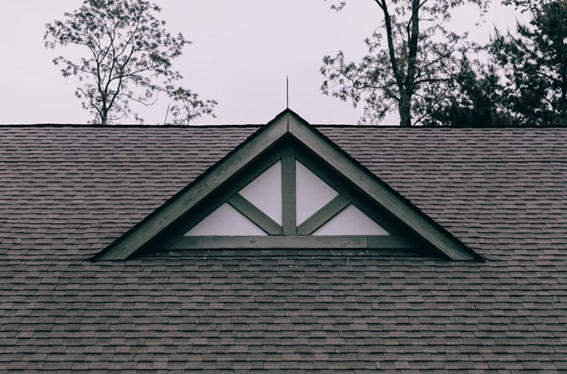
A home’s roof is its first line of defense and one of the first things buyers notice. It frames the exterior, protects the structure, and signals whether the property has been maintained or neglected. When a roof is in good condition, buyers assume the rest of the home has received similar care. When it is worn, damaged, or nearing the end of its lifespan, the consequences ripple through every stage of the sale, from curb appeal to inspection to final appraisal.
Understanding how roof condition influences home value is essential for any homeowner planning to sell, refinance, or simply protect their investment. The financial stakes are significant, and the data makes clear that a compromised roof does not just reduce offers. It can derail deals entirely.
Why Roof Condition Is a Top Concern for Buyers and Inspectors
The roof is one of the most frequently flagged items in home inspections. According to 2026 home inspection statistics, roof issues are the most common problems found during inspections, appearing in 19.7 percent of all reports. Electrical and window issues follow closely behind, but the roof tops the list. This matters because 88 percent of homebuyers use an inspector before finalizing a purchase, and 83 percent of those buyers say their mortgage lender required it. The inspection is not optional for most transactions. It is a gate that every sale must pass through.
When inspectors find roof problems, buyers respond with leverage. The same data shows that 46 percent of buyers use inspection results to negotiate a lower price, and on average, those negotiations save buyers $14,000 off the final sale price. A roof that looks fine from the driveway may reveal cracked shingles, failing flashing, or soft decking once an inspector climbs up. By that point, the seller is in a defensive position, forced to either absorb a price cut or fund emergency repairs under contract pressure.
How Much a New Roof Adds to Home Value and Appraisal
The financial impact of roof condition is measurable in both direct value and avoided losses. According to the Remodeling Magazine Cost vs. Value Report, cited in national real estate analysis, a new asphalt shingle roof adds an average of $15,247 to a home’s resale value. Sellers who replace a roof before listing can typically command 1 to 3 percent more for their home. On a $400,000 house, that represents $4,000 to $12,000 in additional asking price. The national return on investment for asphalt shingles falls between 60 and 68 percent of the project cost recouped at sale.
But the headline ROI numbers only capture part of the story. The indirect financial benefits often matter just as much. A new roof eliminates buyer negotiation leverage buyers commonly request roof credits of $5,000 to $15,000 when inspection reveals a failing roof. A new roof also reduces time on market by 2 to 4 days on average, lowering carrying costs for mortgage, taxes, and utilities. And it prevents deal-killing inspection issues that can cause buyers to walk away entirely, forcing the seller to relist and accept a lower offer later.
The appraisal impact is equally important. Appraisers evaluate roof condition as part of the home’s overall condition rating. A roof with fewer than 5 years of remaining useful life is flagged as a liability and can lower the appraised value below the agreed sale price. When this happens, the buyer’s lender will not finance the full amount, creating a gap that leads to renegotiation or deal collapse. FHA and VA loans have even stricter standards, requiring roofs to have at least two years of remaining life and to be free of safety hazards. Research from the National Association of the Remodeling Industry found that new roofs can provide up to a 109 percent return in certain markets, and 32 percent of realtors recently used a new roof to finalize a sale.
How Roofing Materials and Color Affect Buyer Perception
Not all roofs deliver the same return. Material choice, color, and neighborhood expectations all influence how buyers value the investment. Asphalt shingles remain the most common residential roofing material, offering strong ROI and broad buyer appeal. Architectural or dimensional shingles command a higher premium than basic 3-tab shingles because buyers associate them with quality and longevity.
Metal roofs offer a different value proposition. They last 40 to 70 years and can reduce cooling costs by up to 25 percent in warm climates, but the upfront cost of $12,000 to $30,000 means the immediate percentage ROI at resale, approximately 48 to 60 percent, is lower than asphalt. According to Redfin’s 2025 analysis, metal roofs add the most value in markets with extreme weather, where durability and energy efficiency are top buyer priorities. In traditional neighborhoods with HOA restrictions, asphalt may be the safer choice.
Color also matters more than most sellers realize. The roof makes up to 40 percent of the visual space on a home’s exterior. Neutral tones charcoal, dark gray, weathered wood, and black are consistently the most popular with buyers because they complement a wide range of exterior palettes. Unusual or dated colors can actually reduce appeal, making the home feel quirky rather than move-in ready. In hot climates, lighter or reflective colors offer energy savings that add buyer appeal. In cooler regions, darker tones are preferred for heat absorption.
What Roofing Contractors See When Homeowners Delay Maintenance
The gap between a roof that protects value and one that destroys it often comes down to timing. Homeowners who address minor issues early replacing a few damaged shingles, resealing flashing, cleaning gutters prevent the small problems from becoming expensive failures. Those who wait until a leak appears or shingles are visibly failing face a much larger bill and a more difficult sale.
“We get called out for roof inspections after the homeowner has already listed the property, and the buyer’s inspector found problems,” said Miguel Rivera, owner of Rainforcing Roofing, a residential and commercial roofing contractor in Peoria, IL. “By that point, the seller is under contract pressure, the closing date is approaching, and the repair has to happen fast, which means higher costs and less time to compare quotes. The roof issues we find are almost always preventable. A missing shingle that went unreplaced for two years leads to water intrusion, which rots the decking, which then requires a full replacement instead of a simple repair. We always tell homeowners to schedule a professional roof inspection every two to three years, not because they need work done, but because catching problems early protects the roof and the home’s value. A well-maintained roof with documentation and a transferable warranty is one of the strongest selling tools a homeowner can have.”
Rivera notes that proper ventilation is another commonly overlooked factor. Poor attic ventilation accelerates shingle aging, voids manufacturer warranties, and can cause a 25-year shingle to fail in 12 years. During a roof inspection, professionals evaluate intake at the soffits and exhaust at the ridge to ensure airflow is adequate. This is particularly important in regions with extreme temperature swings, where trapped heat and moisture cause rapid deterioration.
When to Repair, Replace, or Disclose
Homeowners facing roof issues before a sale have three paths: repair, replace, or disclose and negotiate. The right choice depends on the roof’s age, the extent of damage, and the local market.
Repair is the right choice when damage is isolated, and the roof has significant remaining life. A few cracked shingles, a small flashing gap, or a single leak point can often be fixed for a fraction of replacement cost. Spot repairs are most effective when the underlying decking is sound, and the roof is less than 15 years old.
Replacement becomes necessary when the roof is 20 or more years old, damage is widespread, or the inspection reveals fewer than 3 to 5 years of remaining useful life. At this threshold, many lenders, including FHA and VA, will not approve financing without seller-funded repairs or an escrow holdback. Replacing the roof before listing eliminates this risk and positions the home as move-in ready.
Disclosure is legally required in most states. Sellers who know about roof damage and fail to disclose it can face legal action even after closing. A documented inspection report, repair receipts, and transferable warranty documentation protect the seller and give the buyer confidence. In competitive markets, offering a roof credit at closing may be an alternative to pre-listing replacement, though credits typically cost more than the actual repair because buyers price in their own risk and inconvenience.
A Practical Checklist for Protecting Roof Value
Maintaining roof condition does not require constant attention, but it does require consistency. Here is a practical framework for homeowners:
- Schedule a professional roof inspection every 2 to 3 years, and immediately after major storms. Early detection of damaged shingles, flashing failures, or ventilation issues prevents costly repairs later.
- Replace missing or damaged shingles promptly. A single missing shingle creates an entry point for water that can rot decking and damage interior ceilings.
- Clean gutters and downspouts twice yearly. Clogged gutters cause water to back up under shingles and into the fascia, creating rot that spreads into the roof structure.
- Ensure proper attic ventilation. Check soffit vents for blockage and confirm ridge vents are clear. Poor ventilation is one of the leading causes of premature shingle failure.
- Document all maintenance and repairs. Keep receipts, warranty paperwork, and inspection reports organized. Transferable warranties from recognized manufacturers add measurable value at resale.
- Address moss and algae growth. In humid climates, moss retains moisture against shingles and accelerates deterioration. Professional cleaning or zinc strip installation prevents buildup.
- Evaluate the roof 6 to 12 months before listing. If replacement is needed, completing the project 1 to 3 months before listing allows time for final inspection, warranty documentation, and updated listing photography.
- Choose neutral, neighborhood-appropriate colors and materials. Designer shingles in upscale areas, quality architectural shingles in standard neighborhoods, and impact-rated materials in storm-prone regions all align buyer expectations with the investment.
The Bottom Line: Roof Condition Is a Financial Decision
A roof is not just shelter. It is a financial asset that directly influences appraisal value, buyer confidence, and sale outcomes. Properties with well-maintained roofs depreciate more slowly, attract stronger offers, and close faster than properties with deferred maintenance. Properties with failing roofs face inspection failures, buyer concessions, financing obstacles, and potential legal liability.
The data is clear. A new asphalt shingle roof adds an average of $15,247 in resale value. It prevents $5,000 to $15,000 in buyer negotiation credits. It eliminates appraisal flags that can derail financing. And it signals to buyers that the home has been cared for, reducing the mental list of “what else might be wrong” that every buyer carries through a showing.
The homeowners who protect their investment are the ones who treat roof maintenance as a priority, not an afterthought. They inspect early, repair promptly, and replace strategically. In a market where 88 percent of buyers hire inspectors and 46 percent negotiate based on findings, the condition of the roof is not a detail. It is a decisive factor in the final sale price.
Frequently Asked Questions About Roof Condition and Home Value
How does roof condition affect home value?
Roof condition directly impacts appraisal value, buyer offers, and sale speed. A new roof adds an average of $15,247 in resale value, while a failing roof can trigger $14,000 in buyer negotiations or derail financing entirely.
What percentage of home inspections find roof problems?
According to 2026 home inspection statistics, roof issues are the most common problems found, appearing in 19.7 percent of all inspection reports.
What is the ROI on a new roof?
The national average ROI on a new asphalt shingle roof is 60 to 68 percent at resale. The NARI remodeling impact report found returns as high as 109 percent in certain markets.
Should I replace my roof before selling?
If your roof is 20+ years old, visibly damaged, or has fewer than 3 to 5 years of remaining life, replacement before listing is strongly recommended. For roofs under 15 years with minor issues, targeted repairs may be sufficient.
How do buyers negotiate based on roof condition?
46 percent of buyers use inspection results to negotiate a lower price, saving an average of $14,000 off the final sale price. Roof credits of $5,000 to $15,000 are common when inspections reveal failing roofs.
What roofing material has the best resale value?
Asphalt architectural shingles offer the strongest combination of ROI and buyer appeal, with 60 to 68 percent returns. Metal roofs offer long-term durability but lower immediate ROI at 48 to 60 percent.
What roof colors are best for resale?
Neutral tones charcoal, dark gray, weathered wood, and black are consistently the most popular with buyers. The roof makes up to 40 percent of a home’s exterior visual space, so color choice significantly impacts curb appeal.
How often should a roof be inspected?
Homeowners should schedule a professional roof inspection every 2 to 3 years, and immediately after major storms. Annual gutter cleaning and visual checks from the ground also help identify problems early.
Can a bad roof prevent a home sale?
Yes. A damaged or aging roof is one of the top deal-killers in home inspections. FHA and VA loans require roofs to have at least 2 years of remaining life, and many insurers will not issue policies on roofs older than 20 years.