For a small fabrication shop, buying an ironworker can feel like a major commitment. The machine combines several operations, but its value depends on daily workload, labor costs, floor space, and product mix.
A careful payback review should compare current processing time with the machine’s purchase, tooling, maintenance, and training costs. When the shop regularly cuts bars, punches holes, notches corners, or handles repeated steel parts, the answer may be yes, provided capacity matches actual demand.
Time saved on mundane tasks is the starting point for the first calculation. Employees may measure stock, mark locations, drill holes, cut sections, and move pieces between stations. Those steps add minutes across batches.
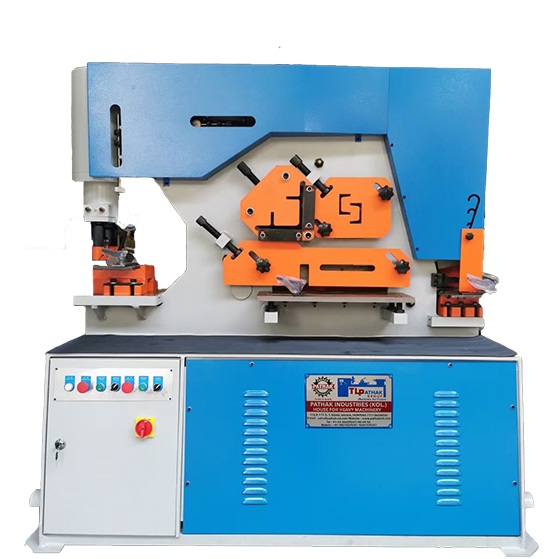
A heavy-duty ironworker machine for sale can combine punching, shearing, notching, and related tasks in one compact area. That consolidation reduces handling, protects consistency, and gives staff more time for fitting, welding, and inspection.
Why Capacity Matters
Capacity also affects whether savings are real. A machine that is too small creates extra passes, slower cycles, and frequent adjustments. One that is too large may consume cash, floor space, and electrical capacity beyond need.
The practical choice matches common material sizes, expected thickness, and peak workload. Shops should review jobs and estimate repeat demand rather than rely on hope.
Calculating Payback
The purchase price is just one component of the total. Charges for dies, blades, tables, shipping, setup, instruction, upkeep, and financing interest all go into the final tally.
A payback formula divides total investment by monthly net savings. Net savings equal labor hours saved multiplied by loaded hourly cost, plus scrap avoided and added contribution margin. A shop should test conservative and optimistic cases because demand can vary by season.
Savings Beyond Labor
Tooling deserves separate attention. Punch and die sets wear through repeated use, while shear blades need inspection and eventual replacement. Costs remain manageable if operators follow adjustment procedures and replace worn parts before poor cuts create rework.
A component table can broaden the machine’s usefulness for custom tasks, but each option should earn its place through jobs that reduce labor. Otherwise, extra accessories can raise spending without improving output.
Labor savings become stronger if two operations can run at once. Dual operator configurations may let one person punch while another shears or notches. This matters during batch work where both stations stay active.
Yet a small shop should confirm that enough trained staff and material flow exist to use this feature. A single-operator model may provide better value for intermittent orders and limited staffing.
Choosing Suitable Capacity
Quality gains also have financial value. Clean holes and cuts reduce grinding, fitting, and rejected parts. Consistent notches improve assembly accuracy, which can shorten welding time and reduce consumable use.
Less scrap means more saleable product from each bar or plate. The estimate should assign a dollar amount to defects, then compare historical rates with expected results after installation.
Floor space and utilities can change the answer. Hydraulic equipment needs clear access, stable power, and room for stock handling. Measure the footprint, operator clearance, service access, and material staging.
A compact layout may recover space from separate drills, saws, and manual stations. However, the shop should include electrical work and lifting changes in the initial budget before purchase for maintenance.
Operational Factors
Operator discipline influences return on equipment. A short training session should cover safe loading, foot pedal use, blade and die checks, lubrication, and shutdown steps. Written setup sheets can reduce errors between shifts. Preventive maintenance keeps cycles consistent and helps identify wear early. The shop should track actual cycle times, scrap quantities, and repair costs for several months. Those records show whether projected gains are being realized on the shop floor.
Financing can make acquisition easier, but monthly payments must fit cash flow. A lender’s terms should be compared with expected savings and confirmed order volume. Used equipment may lower entry cost, yet age, condition, tooling availability, and service history deserve review.
A demonstration using representative material can reveal cycle speed, cut quality, and operator comfort before commitment to a long-term purchase over its expected working life.
Conclusion
An ironworker can pay for itself in a small shop when its capabilities match recurring work. The strongest case appears where employees spend regular hours drilling, cutting, and notching separate pieces.
A sound review measures saved labor, reduced scrap, added throughput, tooling needs, and financing costs. It also checks electrical requirements, training, and safe operating space. With those figures, owners can judge payback clearly and select capacity that supports profitable growth.