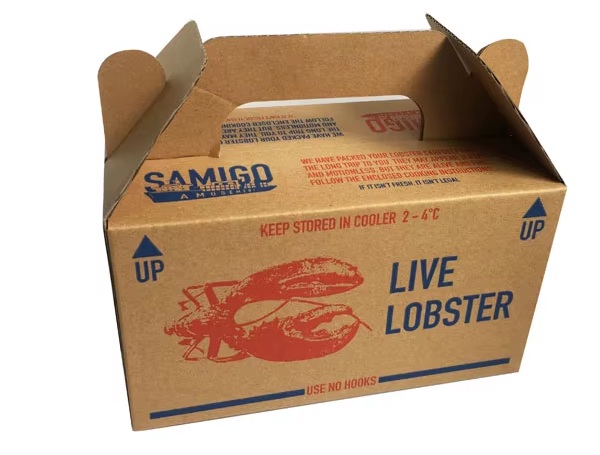
Shipping live lobsters across the country can be safe, but the result depends on biology, packing, timing, and responsible handling. Lobsters breathe through gills, so they need moisture, cool temperatures, and airflow rather than submerged water during transit.
A reputable seller also needs a clear delivery schedule, strong packaging, and instructions for immediate care. Buyers who know these standards can judge an order by its process, not just by the promise of freshness.
Shipping method matters because live crustaceans face stress from heat, vibration, oxygen limits, and delays. A service offering premium live Maine lobster delivery should explain harvest timing, packing materials, carrier choice, and the steps taken if a parcel misses its expected arrival. Clear policies help recipients prepare a cool holding space and report problems quickly, which protects both animal welfare and food safety.
How Live Lobsters Survive Transit
American lobsters can remain alive out of water for a limited period when their gills stay damp and temperatures remain low. Their metabolism slows in cool conditions, reducing oxygen demand and movement during transport. That pause helps them tolerate a short journey, but it does not make prolonged delays harmless.
A live lobster should never arrive warm, dry, or exposed to standing water. Melted ice can collect liquid and leave the animal sitting in contaminated conditions. Gel packs, damp packing paper, and insulated containers offer better control. The package should keep the lobster cool without freezing it, since ice contact can damage the shell and cause severe stress.
What Humane Shipping Requires
Humane handling begins even before the box leaves the dock. Staff should select active animals, secure their claws with bands, and avoid stacking them under excessive weight. Packaging must limit shifting while allowing ventilation. A snug insulated box reduces impact, yet small air gaps help maintain gas exchange.
The best packaging and shipping practices also protect workers, since restrained claws and stable boxes lower the risk of injury during packing and unpacking.
The carrier schedule matters just as much. Overnight service and weekday dispatch reduce the chance of a weekend warehouse hold. Orders should include a committed arrival date, tracking details, and a support contact. Weather checks also matter, since extreme heat or freezing conditions can turn an ordinary route into a dangerous delay.
Signs of a Responsible Seller
Buyers can ask a few direct questions before placing an order. Does the seller state how animals are packed? Are orders dispatched only on suitable days? Is there a live-arrival policy with a clear evidence requirement? Are care and cooking directions included?
A transparent policy should explain what recipients must do at delivery. The lobster needs inspection immediately, followed by gentle removal from the box. A healthy animal usually moves its legs or tail and responds to touch. Any weak, dry, or motionless lobster should be photographed promptly, while the seller receives notice within the stated claim period.
Food safety remains important after arrival as well. Live lobster belongs in a refrigerator or another cold, damp setting, never fresh water. It should be cooked as soon as practical, following local food safety guidance. Dead animals require extra caution because spoilage can advance quickly.
Practical Steps for Recipients
Preparation improves both welfare and dinner quality. Someone should be available to receive the parcel, especially during warm weather. A clean cooler with frozen gel packs can provide temporary storage, but the animal should not touch bare ice. Damp newspaper or a clean towel helps retain moisture.
Before ordering, recipients should confirm the delivery address, phone number, and preferred date. They should track the parcel on shipping day and contact support if movement stops. Once delivered, the box should be opened immediately, contents checked, and any issue recorded. These simple actions reduce avoidable stress and preserve evidence for a fair resolution.
Conclusion
When each stage is planned around the animal’s needs, nationwide live lobster shipping meets humane and food safety standards. Cool temperatures, damp airflow, secure packaging, fast transport, and clear arrival support form the essential safeguards.
Buyers should review those details before ordering, then prepare for immediate receipt and inspection. Freshness is more than a delivery claim. It is the visible result of careful handling from the boat to the kitchen.