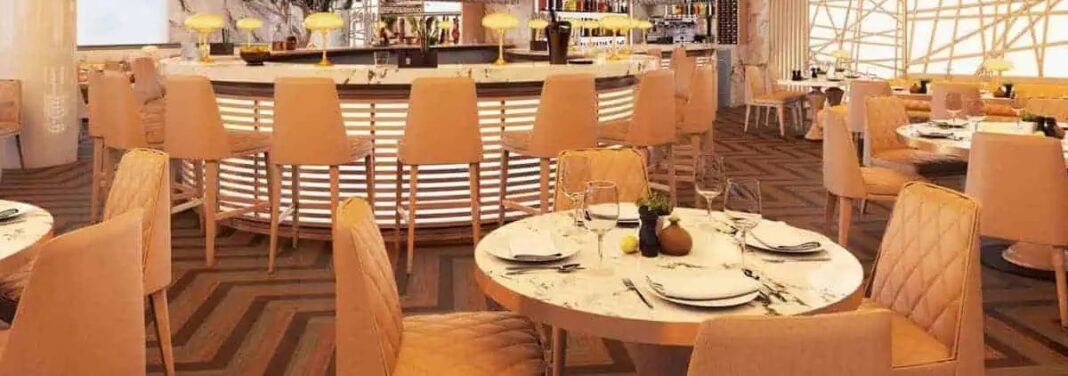
Busy restaurants need furniture that can handle constant seating, spills, cleaning, shifting layouts, and long service hours. A chair or table that looks attractive on opening day must still feel stable after thousands of turns. The best choices balance strength, comfort, finish quality, and easy maintenance.
By looking at frames, surfaces, joints, and layout needs before purchase, operators can reduce repairs and keep dining rooms professional for years.
Start With Commercial Construction
Pieces intended for residential use are typically not constructed to withstand heavy dining use due to their lighter duty and reduced daily contact. Operators comparing restaurant furniture in Fort Worth options should look for welded metal frames, reinforced wood joinery, stable table bases, and finishes rated for frequent cleaning. These details help chairs stay firm, tables remain level, and seating areas keep a polished appearance.
Commercial furniture should also match the restaurant’s service pattern. A quick-service dining room needs chairs that move easily and stack cleanly. A full-service space may need wider seats, cushioned booths, and quieter bases. Bar areas need stools with strong foot rails, since guests place repeated pressure on them throughout service.
Choose Frames That Resist Wear
Frame material has a direct effect on the lifespan of the furniture. Powder-coated steel offers strong support for busy indoor spaces and covered patios. Aluminum works well outdoors because it resists rust and is easier to move. Solid hardwood can bring warmth, but it should have tight joinery, corner blocks, and protective sealing.
The weakest points are often hidden. Screws can loosen, glue can fail, and thin legs can twist under side pressure. Operators should check how the seat connects to the frame, how the back is braced, and whether replacement parts are available. A slightly higher upfront cost can prevent repeated small repairs later.
Pick Tabletops for Cleaning and Impact
Tabletops take constant abuse from dishes, moisture, heat, and sanitizing products. Laminate is practical for high-turnover rooms because it cleans quickly and comes in many finishes. Solid wood gives a richer look, yet it needs sealing and regular care. Quartz, stone, and compact surfaces offer strong stain resistance, but their weight requires suitable bases.
Edges matter as much as the top surface. Rounded or eased edges reduce chipping and make tables more comfortable for guests. Sealed seams help keep moisture from entering the core. In family dining or casual concepts, darker patterns can hide light scratches better than flat, pale finishes.
Match Seating to Guest Comfort
Durability should never make the dining room feel harsh. Guests notice seat depth, back angle, cushion firmness, and how easily they can pull a chair from the table. If seating feels awkward, faster wear will not be the only problem. The dining experience can suffer before the furniture fails.
Booths and banquettes need dense foam, strong platforms, and upholstery that can handle daily wiping. Vinyl and treated fabrics are common because they resist stains and dry quickly. For chairs, glides should protect floors and reduce noise. Small details help staff reset tables faster and keep the room calmer.
Plan for Outdoor Conditions
Outdoor restaurant furniture faces sunlight, rain, wind, dust, and temperature swings. Materials should be rated for exterior use, not placed outside because they look close enough. Aluminum, synthetic wicker, treated hardwood, and outdoor-grade tabletops can perform well when selected carefully.
Patio pieces also need weight and stability. Very light chairs may shift in gusts, while oversized tables can block staff movement. Cushions should have quick-dry foam and removable covers. Umbrellas, shade structures, and storage plans can extend the life of outdoor seating during harsh weather.
Think About Maintenance Before Buying
Furniture that is easy to maintain will cost less over time. Staff should be able to wipe surfaces quickly, move pieces without strain, and replace glides, seats, or hardware when needed. A maintenance plan should include routine tightening, finish checks, and prompt repair of loose parts.
Operators should also keep a few extra chairs or stools in storage. Matching replacements can be hard to find after several years. Buying spare units during the original order protects the visual consistency of the room and avoids mixed styles after damage occurs.
Conclusion
Durable restaurant furniture comes from practical choices, not guesswork. Strong frames, cleanable surfaces, stable bases, and service-friendly layouts all affect daily performance. The right pieces support guest comfort while reducing repair needs and replacement costs.
Before buying, operators should consider traffic levels, cleaning routines, outdoor exposure, and long-term maintenance. A careful furniture plan helps a busy restaurant stay attractive, efficient, and ready for steady use.