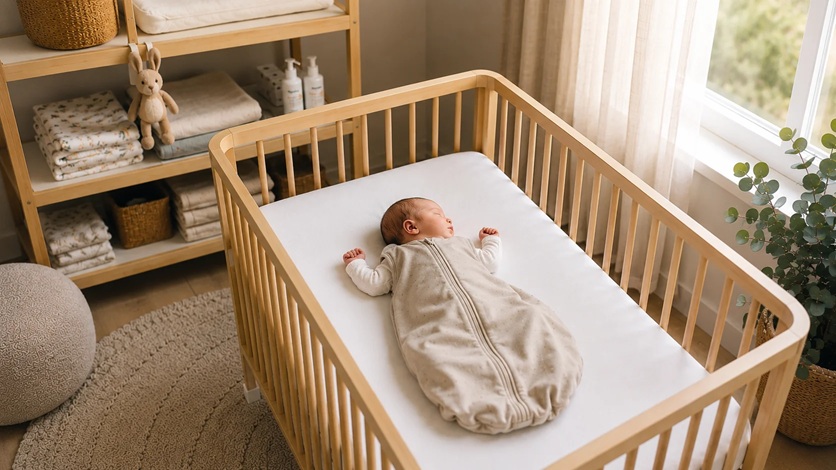
Buying a first crib can feel like a major nursery decision because it affects sleep, safety, room layout, and daily care. New parents often compare styles first, yet the best choice begins with measurements, standards, materials, and long-term use.
An ideal crib should fit the home, support safe sleep habits, and stay practical as the baby grows. With a clear checklist, families can choose with less stress and avoid costly mistakes.
Start With Safety Standards
Prioritizing safety over esthetics should be your first priority when shopping for a crib. Parents should look for fixed sides, firm hardware, stable legs, and slats no more than 2 3/8 inches apart. While comparing cribs for babies, families should also check product details for material quality, mattress support levels, and current compliance labels that match United States safety rules.
Avoid older secondhand models with drop sides, missing bolts, cracked wood, or unknown recall history. A used crib may look sturdy, yet small defects can create hidden risks. New parents should also skip decorative cutouts, tall corner posts, or loose trim that may catch clothing.
Measure the Room First
A crib should suit the room before it suits the theme. Measure the wall space, door swing, closet path, dresser placement, and walking room around the bed. At least two feet of open space beside one long side makes late-night care easier.
A standard crib will last the longest and work with the majority of full-size crib mattresses. Mini cribs can help in apartments, shared bedrooms, or small nurseries. Their smaller footprint saves space, but parents should confirm mattress size and sheet availability before buying.
Check the Mattress Fit
A crib and mattress work as one sleep system. The mattress should sit flat, feel firm, and leave no gap wider than two fingers along the edges. Soft surfaces raise safety concerns, so a firm infant mattress is the right choice.
Adjustable mattress heights also matter. The highest setting helps during the newborn stage, since caregivers bend less. Once the baby can push up, sit, or stand, the platform should move lower. This simple change reduces climbing risk.
Think Beyond the First Year
Many cribs convert into toddler beds, daybeds, or full-size beds with added rails. This can extend value, but parents should check what parts come included. Some conversion kits are sold separately, and later stock may be limited.
Long-term use also depends on style. A simple frame in wood, white, gray, or another neutral finish often adapts better than a trend-heavy design. Parents planning more children may prefer durable construction over ornate detail.
Review Materials and Finish
Babies spend many hours near crib surfaces, so materials deserve close review. Solid wood, engineered wood, and mixed frames can all be suitable when built well. The key is stable construction, smooth edges, and clear finish information.
Low-odor finishes and low-emission certifications can support better indoor air quality. Parents should unpack furniture early when possible, follow assembly instructions closely, and allow the room to air out before regular sleep begins.
Plan for Daily Use
A crib should make everyday care easier. Parents should consider how easily sheets can be changed, whether the mattress platform feels secure, and how the crib fits beside storage. Small details become important during those exhausted nights.
Assembly also deserves attention. Two adults should build the crib on a clear floor, using only the supplied hardware. After setup, each fastener should be checked again. The crib should not wobble, shift, or creak under light pressure.
Conclusion
The right first crib balances safety, size, comfort, and future use. Parents should begin with current standards, then measure the room, confirm mattress fit, review materials, and think about daily routines. A thoughtful choice can make nights calmer and care tasks simpler.
Rather than buying based on looks alone, families benefit from a clear checklist that keeps the baby’s sleep space secure, practical, and ready for each growth stage.