

Highway shoulders are constructed along the edges of the carriageway to provide lateral support to the pavement, accommodate stopped or disabled vehicles, improve road safety and assist surface-water drainage. Depending on traffic conditions, pavement type, available width, climate, soil conditions and highway standards, shoulders may be paved, granular, earthen or constructed using a combination of materials.
Shoulder construction requires proper preparation of the subgrade, selection and placement of suitable materials, controlled compaction and accurate grading. Poorly constructed shoulders can develop edge breaks, rutting, settlement and erosion, which can eventually affect the adjacent pavement.
A shoulder generally performs several functions:
- Provides a recovery area for vehicles leaving the traffic lane
- Provides space for emergency stopping
- Supports the pavement edge
- Reduces the risk of edge deterioration
- Provides lateral clearance from traffic
- Helps accommodate maintenance operations
- Contributes to surface drainage
- Provides additional working space during pavement maintenance
- Can provide space for pedestrians or cyclists where specifically designed for that purpose
The shoulder width and type are selected according to the highway classification, design speed, traffic volume, terrain and applicable road standards.

Types of Highway Shoulders
Different shoulder construction methods are used depending on the required performance and project conditions.
1. Paved Shoulder
A paved shoulder is constructed using bituminous or concrete pavement materials similar to those used for the main carriageway.
Paved shoulders are commonly used on high-speed and high-volume highways because they provide a stable surface for emergency stopping and reduce pavement-edge deterioration.
The pavement structure may include:
- Compacted subgrade
- Granular sub-base
- Base course
- Bituminous layers or concrete pavement
- Surface treatment where required
The shoulder pavement should be properly integrated with the carriageway pavement to reduce differential settlement and water infiltration.
2. Granular Shoulder
Granular shoulders are constructed using selected granular material, crushed aggregate or other approved materials.
They are generally more economical than fully paved shoulders but require periodic maintenance. Proper grading and compaction are important because loose or poorly compacted aggregate can migrate onto the carriageway.
3. Earthen Shoulder
Earthen shoulders use suitable soil obtained from approved sources or selected excavation material.
This method is generally used on roads where traffic volume and design requirements permit an unpaved shoulder.
The soil should be free from unsuitable organic material and should have appropriate engineering properties. Adequate compaction is required to reduce settlement and erosion.
4. Turf or Grass Shoulder
Grass shoulders may be provided on certain lower-volume roads or where roadside appearance and erosion control are considerations.
The shoulder surface is graded to prevent water accumulation. Vegetation can help stabilize the surface, but regular maintenance is required to prevent excessive vegetation from obstructing drainage or reducing the usable shoulder width.
5. Composite Shoulder
A composite shoulder may combine different materials. For example, a paved strip can be provided adjacent to the carriageway with a granular or stabilized outer portion.
This approach can provide a balance between performance, cost and available right-of-way.
Shoulder Construction Process
1. Setting Out and Survey
- Mark shoulder limits.
- Set shoulder width.
- Mark pavement edge.
- Check alignment.
- Set levels.
- Set cross slope.
2. Existing Surface Preparation
- Inspect shoulder.
- Remove debris.
- Clear vegetation.
- Remove loose soil.
- Replace weak material.
- Clean pavement edge.
3. Subgrade Preparation
- Prepare formation.
- Trim levels.
- Shape profile.
- Replace unsuitable soil.
- Adjust moisture.
- Compact subgrade.
4. Granular Sub-Base
- Select material.
- Transport material.
- Spread evenly.
- Maintain thickness.
- Add water.
- Grade surface.
- Compact layer.
5. Base Course
- Place base material.
- Spread evenly.
- Maintain thickness.
- Grade surface.
- Adjust moisture.
- Compact layer.
- Check levels.
6. Shoulder Paving
- Prepare surface.
- Apply prime coat.
- Apply tack coat.
- Place asphalt.
- Control temperature.
- Maintain thickness.
- Compact surface.
7. Edge Connection
- Clean pavement edge.
- Maintain alignment.
- Maintain levels.
- Construct joint.
- Ensure proper bonding.
- Check edge support.
8. Cross Slope and Drainage
- Provide cross slope.
- Direct water away.
- Maintain drainage.
- Avoid depressions.
- Clear drains.
- Check water flow.
9. Compaction
- Compact layers.
- Control moisture.
- Use suitable rollers.
- Control roller passes.
- Check density.
- Correct weak areas.
10. Final Grading
- Trim shoulder.
- Check width.
- Check levels.
- Check slope.
- Remove excess material.
- Correct uneven areas.
- Clean surface.
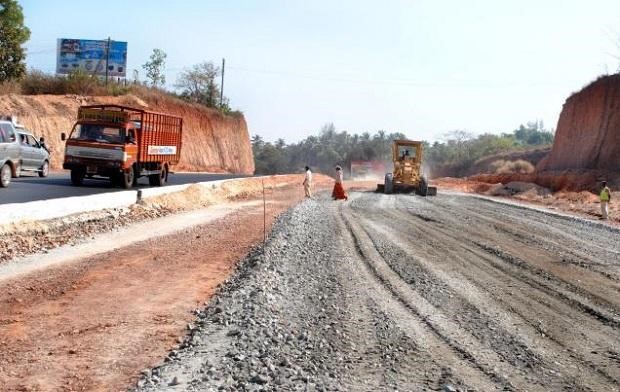
Construction Methods for Different Shoulder Types
Method 1: Granular Shoulder Construction
The typical sequence is:
Subgrade preparation → granular material placement → watering → grading → compaction → final trimming
The aggregate should be placed uniformly and compacted in suitable layers.
The shoulder should be maintained at the required level relative to the pavement edge.
Method 2: Bituminous Shoulder Construction
The typical sequence is:
Subgrade preparation → GSB → base course → surface preparation → tack/prime treatment where specified → bituminous layer → rolling → inspection
The bituminous shoulder may use pavement materials compatible with the adjoining carriageway.
Construction joints should be carefully treated to reduce the possibility of water penetration.
Method 3: Concrete Shoulder Construction
Concrete shoulders may be constructed where a rigid pavement or high-load application requires them.
The process generally includes:
Subgrade preparation → sub-base → reinforcement/dowels where specified → formwork or slipform paving → concrete placement → vibration → finishing → joint construction → curing
Joints should correspond with the pavement design and should allow the shoulder to perform without excessive differential movement.
Method 4: Earthen Shoulder Construction
Earthen shoulders are generally constructed by placing approved soil along the pavement edge, spreading it to the required width and compacting it.
The sequence is:
Material selection → placement → moisture conditioning → grading → compaction → final dressing
The outer shoulder should be protected against erosion, especially on embankments and in areas receiving intense rainfall.
Important Factors in Shoulder Construction
Material Selection
Shoulder materials should have adequate strength, durability and resistance to moisture-related deterioration.
For granular shoulders, the aggregate should meet the specified grading and quality requirements.
For earthen shoulders, the selected soil should be suitable for compaction and should not contain excessive organic matter or other unsuitable materials.
Shoulder Width
The required shoulder width depends on highway classification, traffic volume, design speed and applicable standards.
High-speed highways generally require wider and more stable shoulders than low-volume roads.
Cross Slope
Correct cross slope is necessary for drainage.
An excessively steep shoulder can affect vehicle recovery, while an insufficient slope can cause water accumulation.
Pavement Edge Support
The shoulder should provide adequate support to the edge of the pavement.
A difference in elevation between the pavement and shoulder can create a drop-off that may affect vehicle safety.
Drainage
Water infiltration is one of the major causes of pavement deterioration.
Shoulder construction should therefore maintain the intended drainage path and prevent water from accumulating at the pavement edge.
Equipments Used for Shoulder Construction
Different machines are used depending on the shoulder material and construction method.
| Equipment | Typical Application |
| Motor Grader | Grading and shaping |
| Vibratory Roller | Compaction of granular materials |
| Pneumatic Tyre Roller | Compaction and finishing |
| Smooth-Wheel Roller | Surface compaction |
| Water Tanker | Moisture conditioning |
| Wheel Loader | Aggregate handling |
| Excavator | Excavation and shoulder reconstruction |
| Asphalt Paver | Bituminous shoulder paving |
| Concrete Paver | Concrete shoulder construction |
| Milling Machine | Removal of existing pavement |
| Survey Equipment | Level and alignment control |
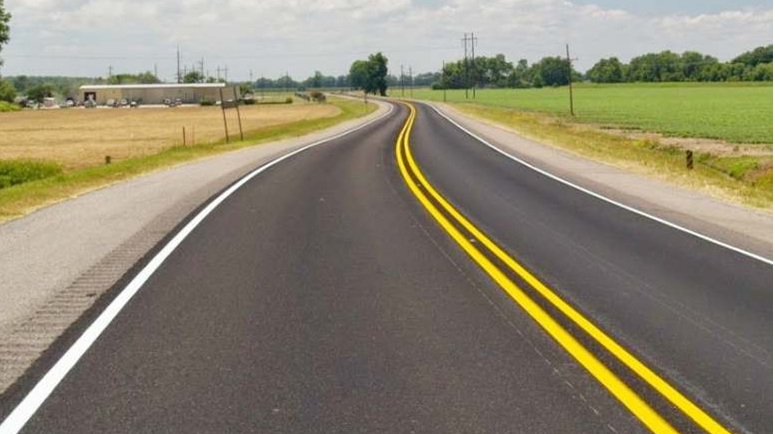
Quality Control in Shoulder Construction
Quality control should be carried out at each construction stage.
Important checks include:
Subgrade
- Formation level
- Soil type
- Moisture content
- Compaction
- Surface uniformity
Granular Layers
- Material grading
- Layer thickness
- Moisture content
- Compaction
- Cross slope
- Finished level
Bituminous Shoulder
- Mix temperature
- Layer thickness
- Surface preparation
- Joint condition
- Compaction
- Surface finish
Concrete Shoulder
- Concrete quality
- Slump/workability
- Thickness
- Alignment
- Joint spacing
- Surface finish
- Curing
The project specifications and applicable highway standards should determine the acceptance criteria and testing frequency.
Conclusion
Shoulder construction is an important part of highway pavement construction. A shoulder must provide adequate edge support, drainage, vehicle recovery space and durability under the conditions for which it is designed. The construction method depends on whether the shoulder is paved, granular, earthen, concrete or composite. Regardless of the type, proper subgrade preparation, controlled material placement, compaction, cross-slope formation and drainage are essential.






