
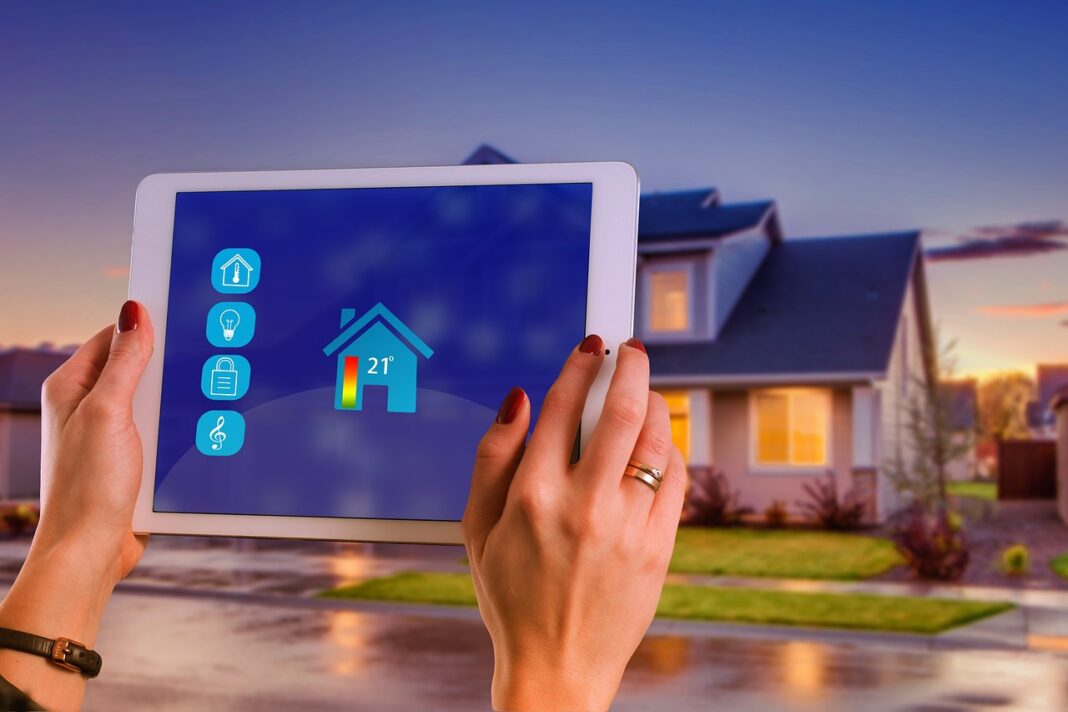
For decades, location, design, accessibility, and sustainability credentials have shaped how buildings are marketed, leased, and valued. While these factors remain fundamental, the increasing digitization of work, commerce, healthcare, and everyday life is elevating another dimension of building performance: digital infrastructure.
Across commercial offices, residential communities, healthcare facilities, retail destinations, and mixed-use developments, connectivity has become central to how buildings function. Occupants expect uninterrupted mobile coverage, seamless internet access, digital services that work consistently, and building systems that respond intelligently.
Despite its growing importance, connectivity is still often considered late in the development cycle rather than being embedded into the infrastructure strategy from the outset. As buildings become increasingly digital, this approach creates limitations that affect operational efficiency, user experience, and long-term technology readiness.
Buildings Are Evolving Into Digital Environments
Modern buildings are no longer defined solely by their physical infrastructure. They are increasingly becoming interconnected digital environments powered by a growing ecosystem of technologies and services. From access control systems to video surveillance, from visitor management systems to intelligent energy systems, from occupancy analytics to workplace apps, everything is dependent on a key aspect connectivity.
However, connectivity is still often treated as a complementary element rather than an essential infrastructure requirement. As buildings become increasingly digital, this approach can create limitations that affect operational efficiency, user experience, and long-term technology readiness. Smart solutions deliver value only when supported by reliable digital infrastructure. Otherwise, even the most sophisticated technologies may struggle to operate at their full potential.
The Foundation Behind Every Smart Building
Discussion about smart property tends to revolve around technology that can easily be seen. Smart lighting, automation, digital interfaces, and applications often take center stage. However, there is one critical aspect of a smart building that rarely gets talked about.
The success of a smart building is underpinned by technology that forms its digital backbone. Such technology consists of fiber networking, Wi-Fi services, in-building mobility, and connectivity infrastructure.
A strong digital platform is essential for an ecosystem that runs smoothly. The applications run independently, the user experience is varied, and efficiency isn’t maximized. In recent times, whether a building can be considered smart has less to do with the amount of technology used than with the effectiveness of its underlying infrastructure.
Connectivity Is Becoming a Real Estate Imperative
The increased significance of digital infrastructure is also impacting the evaluation of real estate properties. In this context, enterprise occupiers have a lot to consider with regard to their connectivity preparedness. Connectivity readiness is also becoming an important factor in leasing decisions, tenant retention, and the long-term competitiveness of commercial real estate assets.
A building could have great location, fantastic amenities, and high-quality design, but if it does not have the capability to cater to digital demands, then its appeal to tenants will be reduced. Such a paradigm shift is causing the real estate world to change its view on connectivity.
Connectivity is rapidly evolving from a value-added feature into a core requirement for modern real estate. This shift is influencing how developers approach project planning and asset positioning. Increasingly, digital readiness is being viewed alongside location, amenities, and sustainability as a factor that shapes tenant experience and long-term asset value. As occupier expectations evolve, the ability of a property to support uninterrupted digital services is becoming a key differentiator.
As energy-efficient and sustainable buildings are now key determinants in evaluating the quality of a building, readiness in terms of connectivity also stands out as a competitive criterion.
Why Planning Matters More Than Retrofitting
Many property developments still treat connectivity as a post-construction consideration. In reality, retrofitting digital infrastructure is often more complex, costly, and disruptive than integrating it during the design and planning stages.
Contemporary buildings include materials like reinforced concrete, energy-efficient cladding, and specialized glass which may affect wireless propagation to a great extent. With the increasing capacity of devices and complexities of digital requirements, it is becoming difficult to resolve connectivity issues post-construction.
On the other hand, developments that think about connectivity upfront will be able to integrate fiber pathways, telecom risers, computer rooms, and in-building wireless networks much more effectively. The result is not only improved connectivity but a forward-thinking asset equipped to handle new technological needs in the future.
Connectivity as the Next Utility
Connectivity needs to be included in this list as well. Tenants expect their digital needs to be met instantly and continuously, irrespective of the location within the property. Companies need continuous access to applications and platforms. Modern building systems rely on communication to function effectively.
These needs will continue to grow as more advanced technologies like 5G, IoT, artificial intelligence, and intelligent automation are incorporated into our buildings. Future-proof properties will embrace connectivity as a key component of utility infrastructure.
At iBUS Networks, we believe the future of real estate will be shaped not merely by the technologies deployed within buildings, but by the digital infrastructure that enables them to operate reliably, securely, and at scale. As buildings become connected, digital infrastructure must be viewed as a foundational utility rather than an optional enhancement. The question is no longer whether connectivity should be integrated into the built environment, but how early it is incorporated into project planning, how effectively it is designed, and how well it supports the evolving demands of a digital-first world.
Authored by;

About Author
The author is Vice President – Head of Operations, Mobility at iBUS Networks, with over 22 years of experience in telecommunications infrastructure, business operations, procurement, contract management, and project management. He has led large-scale infrastructure operations, supply chain functions, and strategic commercial initiatives across leading telecom organizations, with expertise in P&L management, infrastructure sourcing, cost optimization, and digital connectivity solutions. His experience spans telecom infrastructure, enterprise mobility, and in-building connectivity, with a focus on enabling reliable digital infrastructure for smart buildings and future-ready real estate.






