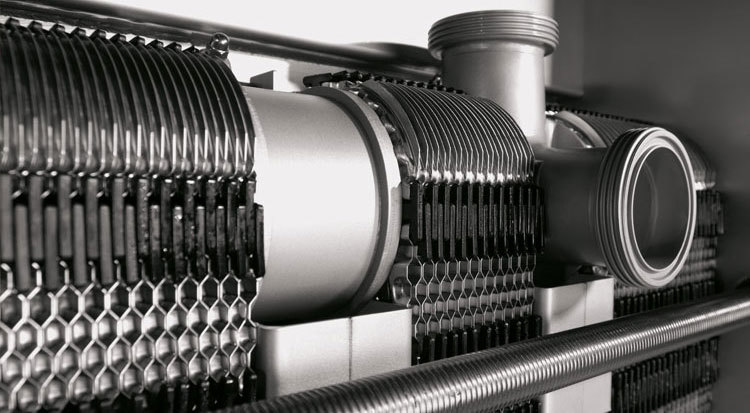
Heat exchangers are among the most important pieces of equipment in many industrial processes. Whether used for heating, cooling, pasteurization, energy recovery, or temperature control, the right heat exchanger can improve efficiency, reduce operating costs, and support long-term system reliability.
However, selecting the wrong heat exchanger can lead to performance issues, increased maintenance requirements, higher utility consumption, and premature equipment replacement. While thermal calculations are important, successful equipment decisions require a broader evaluation of process conditions, maintenance requirements, and long-term operational goals.
Understanding the most common mistakes organizations make during equipment evaluation can help ensure a more successful outcome.
Focusing Only on Initial Purchase Price
One of the biggest mistakes companies make is prioritizing the lowest upfront cost.
While budget considerations are important, the least expensive option is not always the most economical over the life of the equipment. Factors such as energy consumption, cleaning requirements, downtime, replacement parts, and maintenance labor can significantly impact total ownership costs.
A heat exchanger that costs slightly more initially may deliver substantial savings through improved efficiency and reduced maintenance needs.
Evaluating lifecycle costs rather than purchase price alone often leads to better long-term decisions.
Ignoring Product Characteristics
The fluid being processed has a major influence on heat exchanger performance.
Some products flow easily and transfer heat efficiently, while others present challenges due to viscosity, fouling tendencies, suspended solids, or temperature sensitivity.
For example, a design that works exceptionally well for water or low-viscosity beverages may not perform effectively when processing highly viscous products or materials containing particulates.
Product characteristics should always be considered alongside thermal requirements to ensure compatibility with the selected technology.
Overlooking Cleaning Requirements
Many facilities focus heavily on heat transfer performance while giving less attention to cleanability.
In food processing, beverage manufacturing, pharmaceutical production, and other sanitary industries, cleaning procedures are critical to maintaining product quality and regulatory compliance.
A heat exchanger that is difficult to clean may increase downtime, require additional labor, and contribute to long-term performance degradation.
Cleaning-in-Place (CIP) compatibility, accessibility for inspection, and maintenance requirements should be evaluated during the selection process rather than after installation.
Failing to Consider Future Growth
Equipment is often selected based on current production requirements without considering future expansion plans.
As production volumes increase, product lines change, or operating conditions evolve, systems may outgrow their original design capacity.
Planning for reasonable future growth can help facilities avoid expensive upgrades or premature equipment replacement.
While oversizing equipment excessively is not advisable, understanding long-term operational goals can lead to more flexible system designs.
Selecting Technology Based on Familiarity
Many organizations continue using the same equipment types simply because they are familiar with them.
While experience can be valuable, newer technologies or alternative designs may provide significant advantages for specific applications.
For example, plate heat exchangers, shell and tube exchangers, tubular exchangers, and scraped surface units each offer unique benefits depending on process requirements.
Evaluating available technologies objectively helps ensure the chosen solution aligns with actual operating conditions rather than historical preferences.
Neglecting Maintenance Accessibility
Routine maintenance is an unavoidable part of operating any process system.
Unfortunately, maintenance considerations are sometimes overlooked during equipment selection. Components that are difficult to access may increase labor requirements, extend downtime, and complicate inspections.
Facilities should evaluate how easily equipment can be serviced, cleaned, inspected, and repaired throughout its operating life.
Ease of maintenance often becomes increasingly important as equipment ages.
Underestimating Pressure Drop Impacts
Pressure drop is another factor that is frequently overlooked.
An exchanger may meet heating or cooling requirements while creating excessive resistance within the process system. Higher pressure drops can increase pumping costs and affect overall system performance.
Balancing thermal efficiency with acceptable hydraulic performance is an important part of system optimization.
Careful engineering analysis can help identify the most effective solution for both heat transfer and fluid flow requirements.
Taking a Comprehensive Approach to Equipment Decisions
Successful equipment evaluation requires looking beyond simple thermal calculations. Product characteristics, maintenance requirements, cleaning procedures, operating costs, facility constraints, and future production goals all influence overall performance.
Organizations seeking to improve system reliability and efficiency should take a comprehensive approach to heat exchanger selection rather than focusing on a single factor.
By considering the full range of operational requirements, facilities can choose equipment that delivers long-term value, supports process goals, and reduces costly surprises after installation.