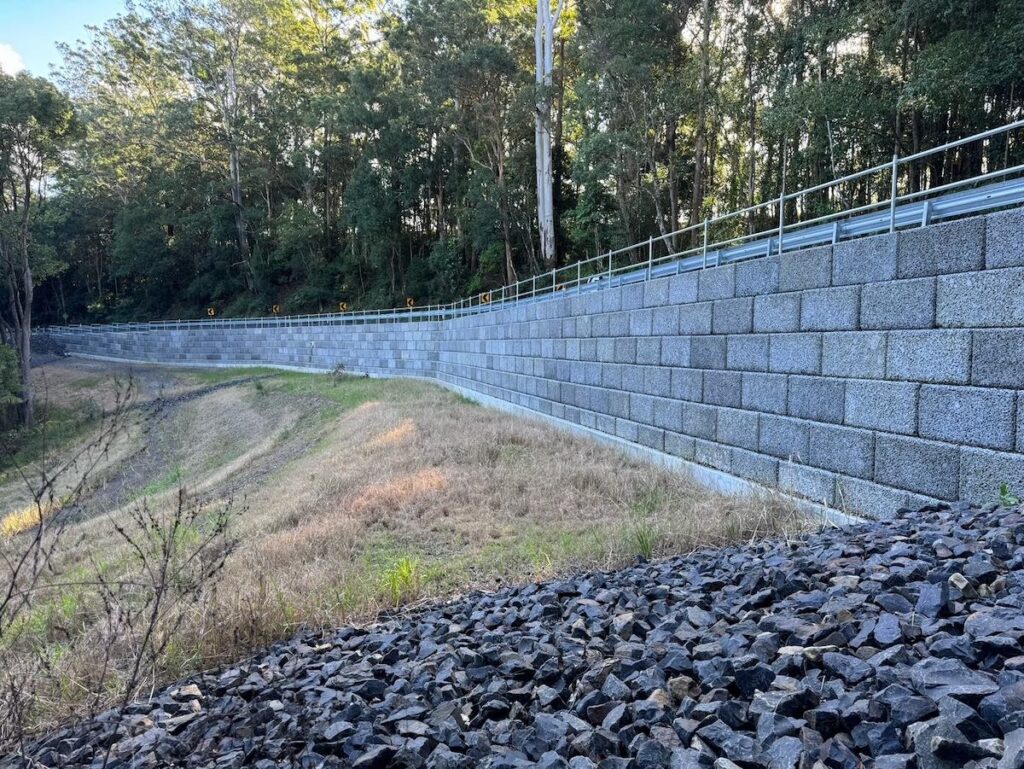
Retaining wall systems play a crucial role in the field of landscape architecture and civil engineering. These structures are essential for maintaining soil stability on slopes and embankments, preventing erosion, and adding aesthetic value to landscapes. One of the key advantages of retaining wall systems is their ability to support vertical or near-vertical grade changes.
The Basics of Retaining Wall Systems
Retaining walls are structures designed to bound soils between two different elevations, often in areas of terrain possessing undesirable slopes or in instances where the landscape needs to be shaped severely. They are a crucial component in the prevention of soil erosion and management of water runoff.
Applications and Advantages
There are various applications for retaining wall systems, especially in urban environments. For instance, they are used to create level areas in sites for parks, schools, and residential properties. Additionally, they contribute to the prevention of landslides and soil erosion by holding back soil and stabilizing steep grades.
Another significant advantage of retaining wall systems is their contribution to flood control. By implementing these walls, it is possible to direct the flow of water in a controlled manner, which helps in minimizing property damage during heavy rainfall events.
Types of Retaining Wall Systems
There are several types of retaining walls including gravity walls, cantilevered walls, sheet piling walls, and anchored walls. Gravity walls rely on their weight to hold soil back, while cantilevered walls use a reinforced concrete slab or some similar material to hold back the burden. Sheet piling walls are often used in tight spaces and for soft soils, and anchored walls are noted for their excellent support in holding up large loads.
Material Choices
The selection of materials for retaining wall systems can greatly affect their performance and longevity. Common materials include concrete, stone, brick, and timber. The choice often depends on factors such as the expected load, the environment in which the wall will be placed, and budget considerations.
Construction and Maintenance
Proper construction techniques are imperative to the performance of a retaining wall. It is important that the wall is constructed with the appropriate batter or backward lean, as well as suitable drainage to prevent hydrostatic pressure from building up behind the wall.
Aside from construction, the maintenance of retaining wall systems is also significant. This may include regular inspections to check for any signs of displacement or material degradation, ensuring that drainage systems remain unobstructed.
Environmental Impact
Integrating retaining walls within a landscape must consider environmental impacts. For example, the impermeability of the materials and the wall structure itself can affect local ecosystems by altering natural water flow and potentially impacting wildlife habitats negatively.
Sustainability Considerations
An aspect of particular importance today is the sustainability of retaining wall systems. Using environmentally friendly materials and construction techniques can mitigate some of the negative impacts associated with these structures.
Innovative Design Solutions
Recent advancements in retaining wall design focus on environmental benefits and aesthetic appeal. Green walls, which incorporate vegetation, are becoming increasingly popular as they offer additional environmental benefits such as reducing the urban heat island effect and improving air quality.
Cost Factors
The cost of constructing a retaining wall system can vary significantly based on design, materials, and the complexity of the site. It is advisable for stakeholders to engage with knowledgeable professionals who can guide them towards effective solutions within budgetary constraints.
The Future of Retaining Wall Systems
As climate change continues to influence weather patterns and urban expansion encroaches on natural landscapes, the demand for well-designed, durable retaining wall systems will likely increase. They will be critical in solving soil and water management challenges, making them a vital tool in modern landscape architecture.
Whether for practical purposes or aesthetic improvements, retaining wall systems are an indispensable part of contemporary design infrastructure.