
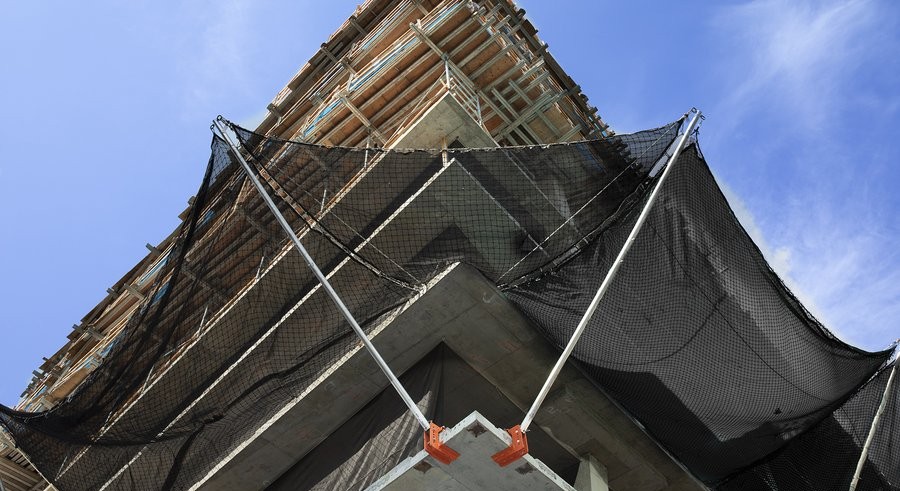
High-rise construction presents unique safety challenges because work is often performed several storeys above ground level. Activities such as structural framing, façade installation, roofing, concrete pouring, steel erection, formwork assembly, and maintenance of temporary structures expose workers to fall hazards throughout the project lifecycle.
Unlike low-rise projects, high-rise developments involve continuously changing work environments. New floors are added, temporary protections are relocated, and access routes evolve as construction progresses. This dynamic nature demands constant vigilance and adaptable fall protection measures.
A comprehensive fall protection strategy typically combines:
- Hazard identification and risk assessment
- Engineering controls
- Personal protective equipment (PPE)
- Worker training
- Supervision and monitoring
- Emergency rescue planning
Without these elements working together, the likelihood of accidents increases significantly.
Challenge 1: Unprotected Edges and Openings
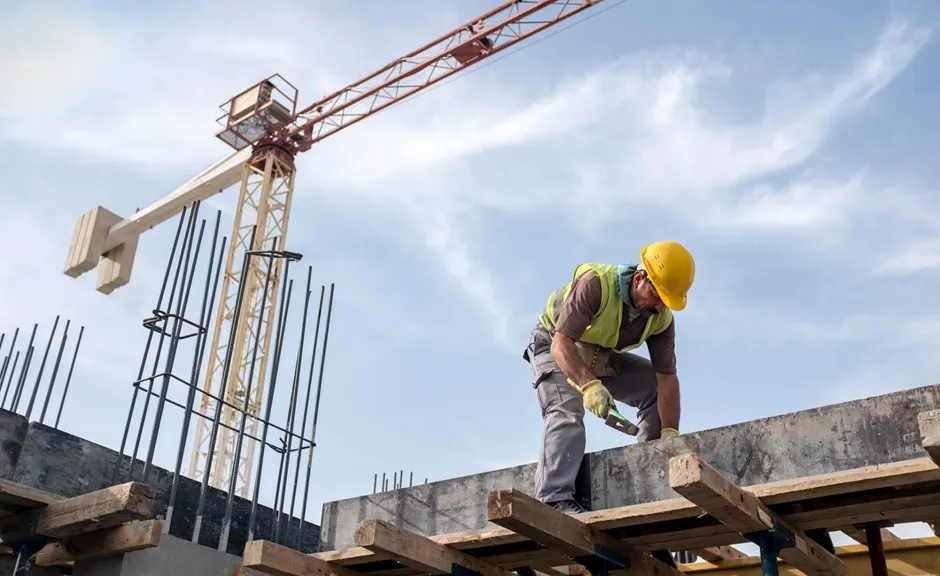
One of the most common fall hazards in high-rise construction is exposure to unprotected edges and floor openings.
As each level of a building is constructed, workers often operate near:
- Building perimeters
- Elevator shafts
- Stairwell openings
- Mechanical and service penetrations
- Temporary access points
These openings can become deadly hazards if proper protection is not installed.
How to Address It
The most effective solution is the installation of engineered edge protection systems.
Key measures include:
- Guardrails around all exposed edges
- Toe boards to prevent falling objects
- Temporary barriers around openings
- Safety net systems where guardrails are impractical
- Clearly marked exclusion zones
Construction managers should conduct daily inspections to ensure barriers remain intact and have not been removed or damaged during ongoing work activities.
Challenge 2: Frequent Changes in Work Conditions
High-rise construction sites change rapidly. Areas that were safe yesterday may become hazardous today due to:
- Structural modifications
- Installation of new equipment
- Removal of temporary protections
- Material movement
- Progression of construction activities
These changes can create unexpected fall hazards.
How to Address It
Continuous risk assessment is essential.
Best practices include:
- Daily safety inspections
- Pre-task hazard assessments
- Permit-to-work systems
- Safety briefings before each shift
- Real-time hazard reporting
Project teams should encourage workers to report newly identified hazards immediately rather than waiting for scheduled inspections.
Challenge 3: Improper Use of Personal Fall Arrest Systems
Personal Fall Arrest Systems (PFAS) are widely used in high-rise projects. However, accidents frequently occur when workers:
- Wear harnesses incorrectly
- Connect to unsuitable anchor points
- Use damaged equipment
- Fail to maintain 100% tie-off
- Neglect equipment inspections
Even high-quality equipment becomes ineffective if used improperly.
How to Address It
Employers should implement comprehensive training programs covering:
- Correct harness fitting
- Anchor point selection
- Lanyard attachment procedures
- Equipment inspection requirements
- Emergency rescue procedures
Routine competency assessments help ensure workers maintain safe practices throughout the project.
Challenge 4: Inadequate Anchor Point Availability
Personal fall protection systems depend on secure anchor points capable of supporting designated loads.
In high-rise construction, workers often encounter situations where:
- Suitable anchor points are unavailable
- Temporary anchors are improperly installed
- Anchor locations restrict mobility
- Workers choose convenient but unsafe attachment points
These issues significantly increase fall risks.
How to Address It
Anchor point planning should begin during project design.
Recommended measures include:
- Engineered anchor systems
- Certified temporary anchors
- Horizontal lifeline systems
- Permanent anchor installation where feasible
- Regular inspection and certification
Safety professionals should verify anchor suitability before workers access elevated areas.

Challenge 5: Steel Erection and Structural Framework Activities
Steel erection represents one of the highest-risk activities in high-rise construction.
Workers frequently perform tasks such as:
- Connecting steel members
- Installing beams
- Aligning structural components
- Bolting and welding at height
These activities often occur before permanent floors and guardrails are installed.
How to Address It
A combination of collective and personal protection measures is required.
Effective solutions include:
- Temporary decking systems
- Safety nets
- Horizontal lifelines
- Mobile fall arrest systems
- Controlled access zones
Sequencing work to install protective systems as early as possible can significantly reduce exposure to fall hazards.
Challenge 6: Scaffolding-Related Falls
Scaffolding provides essential access during high-rise construction but remains a major source of fall incidents.
Common issues include:
- Incomplete scaffold platforms
- Missing guardrails
- Unstable foundations
- Overloaded platforms
- Improper assembly
How to Address It
Scaffold safety requires:
- Design by qualified personnel
- Inspection before each shift
- Proper guardrail installation
- Safe access ladders
- Load management procedures
Only trained and authorized personnel should erect, modify, or dismantle scaffolding systems.
Challenge 7: Weather-Related Hazards
Weather conditions can dramatically increase fall risks on high-rise projects.
Particular hazards include:
- High winds
- Rain
- Wet surfaces
- Lightning
- Reduced visibility
- Extreme temperatures
At significant elevations, wind speeds can be much higher than those recorded at ground level.
How to Address It
Weather monitoring should be integrated into site safety management.
Practical measures include:
- Real-time weather tracking
- Wind speed monitoring equipment
- Suspension of high-risk activities during adverse conditions
- Non-slip walking surfaces
- Appropriate PPE for weather conditions
Clear shutdown procedures should be established and communicated to all workers.
Challenge 8: Material Handling at Height
Workers often transport materials, tools, and equipment across elevated work areas.
This creates multiple risks:
- Loss of balance
- Tripping hazards
- Falling objects
- Restricted movement
Heavy or awkward loads can compromise worker stability and increase fall potential.
How to Address It
Material handling risks can be reduced through:
- Mechanical lifting systems
- Crane-assisted placement
- Material hoists
- Organized storage areas
- Housekeeping programs
Reducing manual handling requirements improves both productivity and safety.
Challenge 9: Human Error and Complacency
Even the most advanced fall protection systems can fail when workers become complacent.
Common behavioral issues include:
- Skipping safety procedures
- Disconnecting harnesses temporarily
- Taking shortcuts
- Ignoring warning signs
- Underestimating risks
As projects progress without incidents, workers may develop a false sense of security.
How to Address It
Building a strong safety culture is essential.
Strategies include:
- Frequent safety meetings
- Behavioral safety observations
- Leadership engagement
- Recognition programs
- Near-miss reporting systems
Supervisors must consistently reinforce safe behaviors and address unsafe practices immediately.
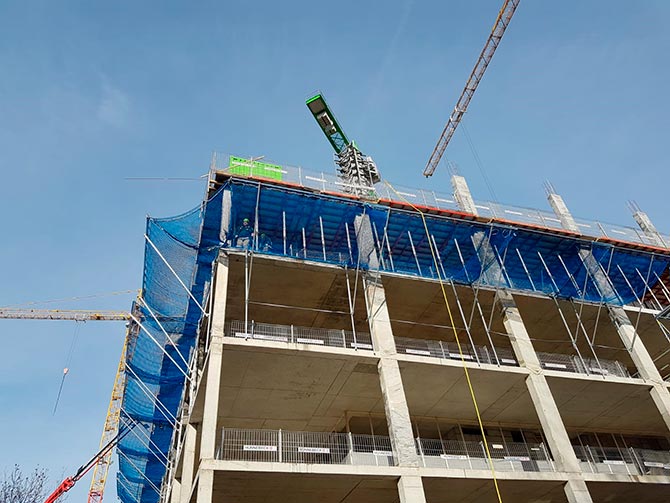
Challenge 10: Emergency Rescue Planning
A fall protection system does not eliminate the need for rescue planning.
When a worker falls and remains suspended in a harness, serious medical complications can occur within minutes.
Many projects focus heavily on fall prevention but overlook rescue preparedness.
How to Address It
Every high-rise project should maintain a documented rescue plan that includes:
- Rescue procedures
- Equipment requirements
- Emergency communication protocols
- Rescue team responsibilities
- Training and drills
Rescue plans should be site-specific and regularly tested to ensure effectiveness.
Building a Comprehensive Fall Protection Program
Addressing fall protection challenges requires a systematic approach that integrates planning, engineering controls, training, supervision, and continuous improvement.
An effective program should include:
- Site-specific risk assessments
- Engineered fall protection solutions
- Worker competency training
- Regular equipment inspections
- Continuous monitoring
- Emergency rescue preparedness
- Management commitment
The most successful high-rise projects treat fall protection as a core operational priority rather than a compliance obligation.
Conclusion
High-rise construction presents some of the most demanding fall protection challenges in the construction industry. Unprotected edges, changing work environments, inadequate anchor systems, scaffolding risks, weather conditions, material handling activities, and human factors all contribute to elevated safety risks. However, these challenges can be effectively managed through proactive planning, engineered protection systems, comprehensive training, regular inspections, and a strong safety culture.
Image Credit: bizjournals.com, safetyrespect.com






