
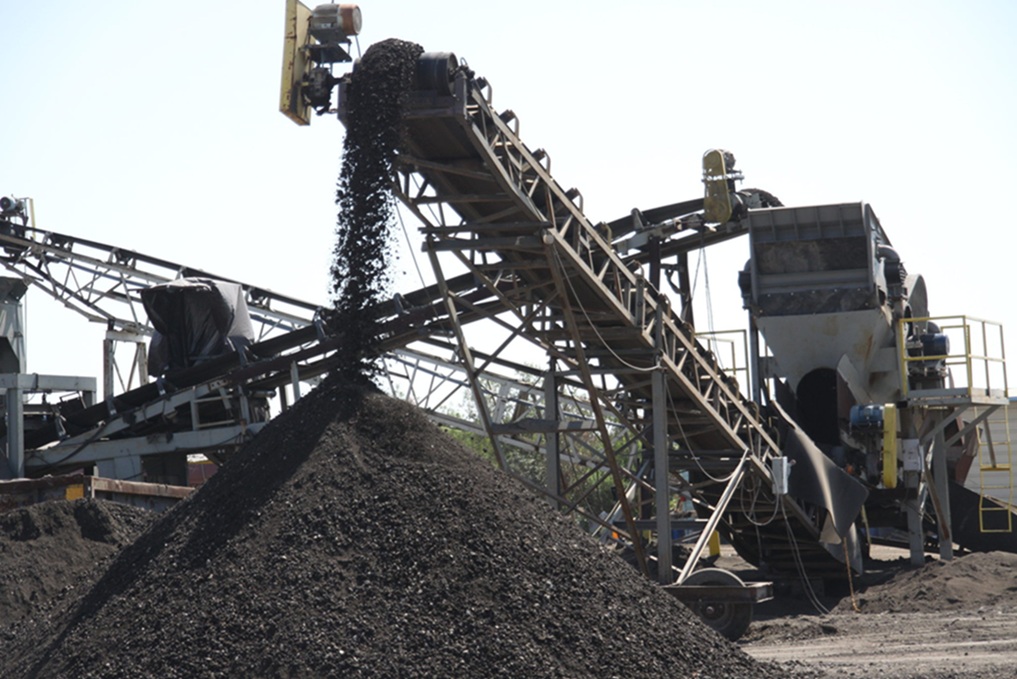
Road construction is a highly material-intensive activity in civil engineering, requiring large quantities of bitumen, aggregates, and other resources. With increasing material costs and growing environmental concerns, the industry is gradually shifting toward more sustainable solutions. One of the most widely used approaches is Recycled Asphalt Pavement (RAP).
Recycled Asphalt Pavement (RAP) Technique
Recycled Asphalt Pavement technique involves reusing existing asphalt materials from old or damaged roads to produce new asphalt mixes. Instead of disposing of worn-out pavement in landfills, the material is processed, reused, and blended with fresh materials to create durable and cost-effective road surfaces.
What is Recycled Asphalt Pavement (RAP)?
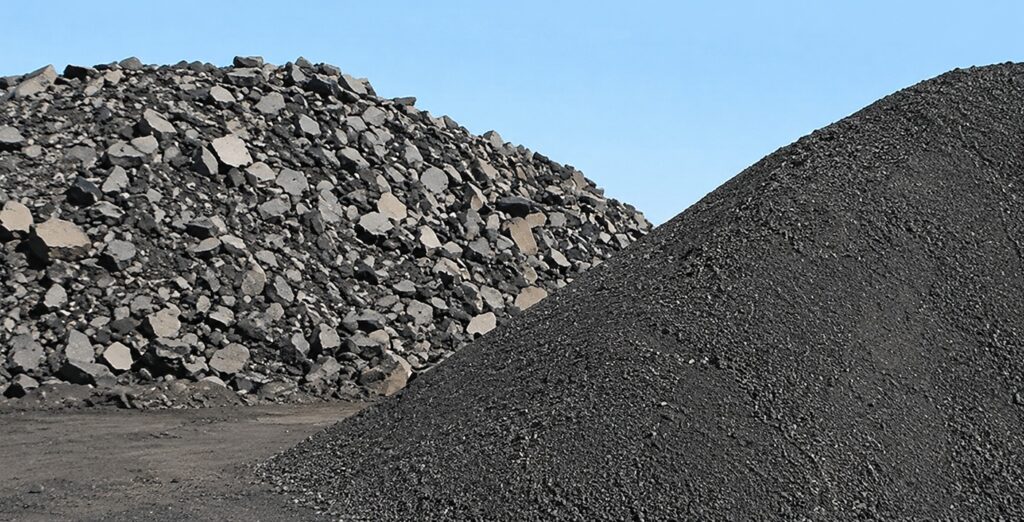
Recycled Asphalt Pavement (RAP) refers to the removed and processed material from existing asphalt pavements that is reused in new pavement construction.
RAP typically consists of:
- Crushed asphalt pavement material
- Aggregates (stone, gravel, sand)
- Aged bitumen (binder)
When old roads are milled or removed, the material is collected, processed, and reused in new hot mix asphalt or other pavement layers.
Sources of RAP Material
RAP is obtained from various road maintenance and rehabilitation activities, such as:
- Milling of old asphalt surfaces
- Full-depth pavement removal
- Road widening or reconstruction projects
- Damaged highway resurfacing
- Airport runway rehabilitation
The milled material is then transported to a recycling plant or hot mix plant for further processing.
Processing of Recycled Asphalt Pavement
Before RAP can be reused, it undergoes several processing stages:
1. Collection and Stockpiling
Old asphalt material is collected using milling machines and stored in stockpiles at designated locations.
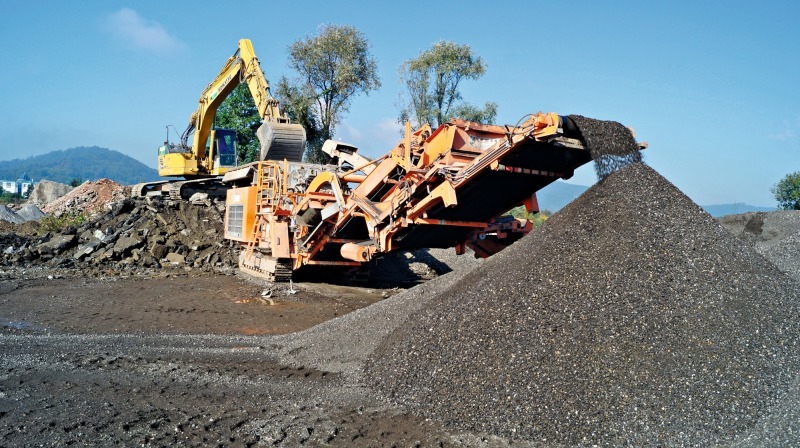
2. Crushing and Screening
Large chunks of asphalt are crushed and screened to achieve uniform particle size.
3. Removal of Contaminants
Soil, debris, and unwanted materials are removed to ensure quality.
4. Classification
RAP is categorized based on gradation and binder content.
5. Storage
Processed RAP is stored in separate stockpiles to maintain consistency.
Types of RAP Usage
1. Hot Mix Asphalt (HMA) with RAP
RAP is heated and mixed with fresh asphalt and aggregates in a hot mix plant.
2. Cold Mix Asphalt
RAP is mixed without heating, using emulsified bitumen or foamed bitumen.
3. Full Depth Reclamation (FDR)
Entire pavement layers are recycled in-place, including RAP, base, and subgrade.
4. Cold In-Place Recycling (CIR)
Existing asphalt is milled, processed, and reused on-site without transporting material.
Advantages of Recycled Asphalt Pavement
- Reduces construction cost by minimizing the use of new aggregates and bitumen
- Lowers transportation expenses due to reuse of existing road materials
- Reduces landfill waste by recycling old asphalt pavement
- Conserves natural resources like stone aggregates and petroleum-based bitumen
- Decreases carbon emissions and supports eco-friendly road construction
- Saves energy compared to producing entirely new asphalt mixes
- Provides good performance when properly designed and mixed
- Maintains durability and strength similar to conventional asphalt roads
- Speeds up construction by reducing material procurement time
- Supports sustainable and green infrastructure development
Applications of RAP in Road Construction
RAP is widely used in:
- National highways
- State highways
- Rural roads
- Airport runways
- Industrial roads
- Urban streets and expressways
It is especially useful in maintenance and rehabilitation projects.
Factors Affecting RAP Performance
Several factors influence the quality and durability of RAP-based pavements:
1. Percentage of RAP Used
Higher RAP content requires advanced mix design techniques.
2. Quality of Old Pavement
Stronger original pavement leads to better recycled material.
3. Binder Ageing
Older bitumen becomes stiff and may require rejuvenators.
4. Mixing Temperature
Proper heating ensures uniform blending.
5. Gradation Control
Correct particle distribution improves strength and stability.
Equipments Used in RAP Processing
- Cold milling machines
- Crushers and screening units
- Hot mix asphalt plants
- Rejuvenator spray systems
- Conveyors and storage silos
Modern plants are now capable of using high RAP content efficiently.
Environmental Impact of RAP
One of the biggest benefits of RAP is its positive environmental impact:
- Reduces quarrying of natural aggregates
- Decreases bitumen consumption (a petroleum product)
- Minimizes construction waste
- Lowers greenhouse gas emissions
Because of these benefits, RAP is a key part of green infrastructure development.
Conclusion
Recycled Asphalt Pavement (RAP) is a useful method in highway construction that improves efficiency and sustainability. It helps reduce construction costs, saves natural resources, and lowers environmental impact by reusing old asphalt materials. RAP also provides good road performance when properly designed and mixed. With growing infrastructure needs, RAP will continue to support cost-effective and eco-friendly road construction.
Image Credit: ezfloweighing.com, at-minerals.com,






