
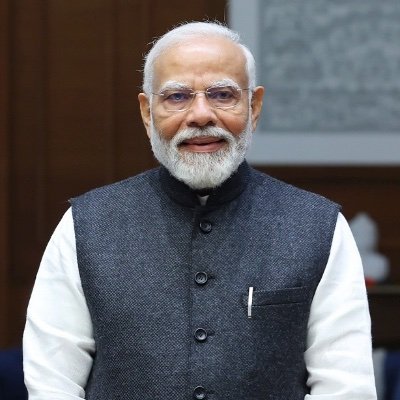
Prime Minister Narendra Modi has highlighted India’s remarkable infrastructure transformation over the past twelve years, describing it as a key driver of economic growth and a cornerstone of the vision for a developed India, or Viksit Bharat. Sharing details of the government’s achievements, he emphasized that unprecedented investments in transportation, logistics, urban mobility, ports, railways, and aviation have significantly enhanced connectivity, improved efficiency, and created new opportunities across the country.
According to the Prime Minister, the last decade has witnessed record infrastructure development, reflecting the government’s commitment to building next-generation facilities that support economic progress and improve the quality of life for citizens. The infrastructure push has focused on connecting people, markets, and opportunities while strengthening India’s position as a global economic powerhouse.
One of the major achievements highlighted is the rapid expansion of inland waterways. India has notified 111 National Waterways spanning more than 20,000 kilometres, with 32 currently operational. Cargo movement through inland waterways has increased dramatically from 18 million tonnes per annum in 2014 to 145.5 million tonnes in 2025. This growth demonstrates the increasing importance of waterways as a cost-effective and environmentally sustainable mode of transportation. Additionally, several Ro-Pax and ferry projects have enhanced passenger connectivity and supported regional development.
India’s maritime sector has also recorded significant progress. Nine Indian ports are now ranked among the world’s top 100 ports, while Visakhapatnam Port has secured a place among the top 20 container ports globally. Major ports handled a record 915 million tonnes of cargo during FY26. Operational efficiency has improved substantially, with average turnaround times reducing from 96 hours to just 49.5 hours. The government’s Sagarmala Programme has further strengthened port-led development through hundreds of completed infrastructure projects.
Road infrastructure remains one of the most visible areas of transformation. India’s National Highway network has expanded from approximately 91,000 kilometres in 2014 to over 146,000 kilometres in 2026. The pace of highway construction has nearly tripled, increasing from 12 kilometres per day to 34 kilometres per day. This expansion has improved freight movement, reduced travel times, and enhanced connectivity between urban and rural regions. Today, India possesses the world’s second-largest road network, contributing significantly to economic integration.
The railway sector has undergone a historic modernization drive. Broad-gauge electrification has risen from 20 percent in 2014 to nearly complete electrification at 99.6 percent in 2026. More than 69,000 route kilometres have been electrified, making rail transport more energy-efficient and environmentally sustainable. Simultaneously, over 1,330 stations are being upgraded under the Amrit Bharat Station Scheme to provide world-class passenger facilities.
A major symbol of railway modernization is the expansion of the Vande Bharat Express network. Currently, 164 Vande Bharat services operate across 274 districts, offering faster and more comfortable travel. Nearly four crore passengers used these services during FY26, while the recently introduced sleeper variants have received an overwhelming response from travellers.
Urban transportation has also seen remarkable growth through metro rail development. India’s metro network has expanded from 248 kilometres in 2014 to 1,155 kilometres in 2026, making it the third-largest metro system in the world. Metro services now operate in 26 cities compared to only five cities a decade ago, carrying over one crore passengers daily and significantly easing urban congestion.
The aviation sector has benefited from the government’s UDAN initiative. The number of operational airports has increased from 74 to 164, while hundreds of regional routes now connect smaller cities and remote areas. This has improved accessibility, promoted tourism, and strengthened economic activity in previously underserved regions.
Reaffirming the government’s commitment to infrastructure-led growth, Prime Minister Modi stated that modern and efficient infrastructure will continue to play a crucial role in achieving the goal of Viksit Bharat. From highways and railways to ports, airports, waterways, and urban transit systems, India’s infrastructure transformation is laying the foundation for sustained economic development, enhanced competitiveness, and improved living standards for millions of citizens.
Image- x.com





