
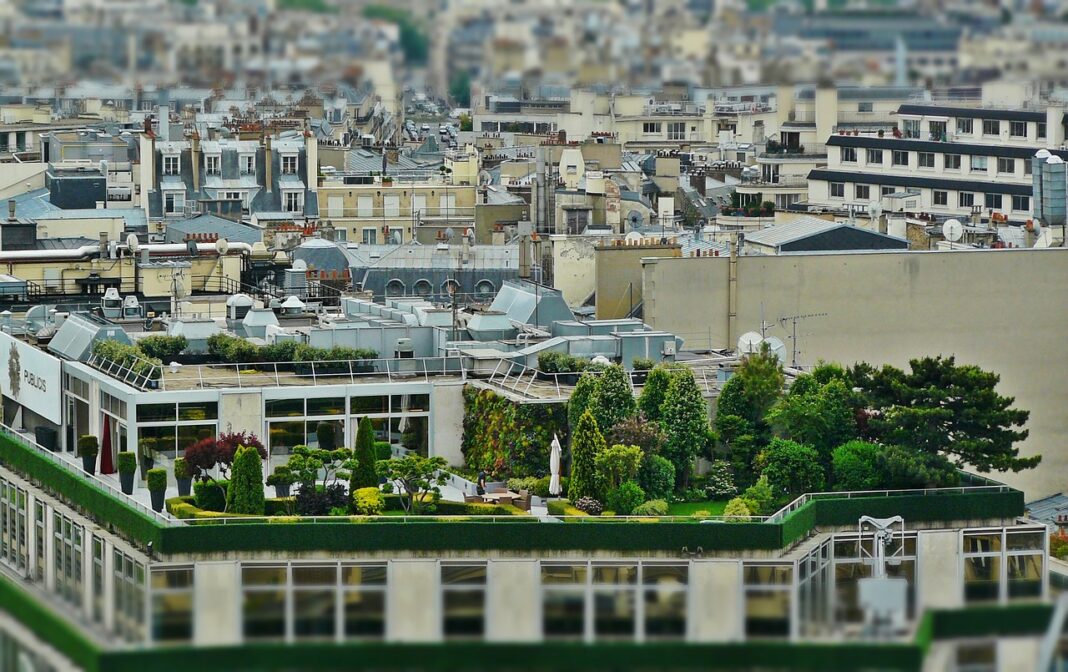
Arizona’s hot sun can put a lot of stress on a roof. High temperatures, strong sunlight, and sudden storms can wear down roofing materials over time. Choosing the right roof can help protect your building while reducing energy costs.
Sustainable roofing is about more than using green materials. It also means choosing products that last longer, waste fewer resources, and help control indoor heat. A well-designed roof can support both the environment and your budget.
Whether you own a home or a commercial building, understanding your options matters. Here are some roofing materials and features worth considering for Arizona’s demanding climate.
Why Does Arizona’s Climate Affect Roofing Choices?
Arizona’s weather creates special challenges for roofs. During summer, strong sunlight can heat roofing surfaces for hours. This heat may cause some materials to expand, shrink, or weaken over time.
The state also experiences seasonal storms. Heavy rain and strong winds can damage roof edges, loosen materials, and expose weak spots. Dust and debris may also collect in drainage areas.
A roof must handle both heat and sudden changes in weather. Choosing materials designed for these conditions can help reduce damage and repair costs. Proper installation is just as important as the material itself.
How Do Cool Roofs Reduce Heat Buildup?
Cool roofs are designed to reflect more sunlight than many standard roofing surfaces. This helps the roof absorb less heat during warm weather. As a result, the building may need less energy for cooling.
These systems often use light colors or special reflective coatings. White roofing materials are common on flat commercial buildings. However, some darker products also offer reflective features.
A cool roof can be useful in Arizona, where air conditioning runs often during summer. Lower roof temperatures may help reduce strain on cooling systems.
Choosing Materials for Commercial Roofing Projects
Commercial buildings often have large roof surfaces and special equipment needs. Air conditioning units, vents, and other systems may sit directly on the roof. These features can affect which materials work best.
A warehouse may need a different roofing system than a restaurant or office. Building use, roof slope, and energy needs should all guide the choice.
Owners considering commercial roof repair in Tucson should begin with a full roof inspection. This can help show whether targeted repairs, a protective coating, or a full replacement makes more sense.
Ask contractors about the expected life of each material. Compare the cost of installation with future care and repairs.
Metal Roofing Offers Strength and Long-Term Value
Metal roofing is a popular choice for people who want a durable roof. It can handle strong sunlight and shed rainwater well. Many metal roofing products also contain recycled materials.
Steel and aluminum are two common options. Steel offers strength, while aluminum resists rust. Both materials are available in different colors and styles.
Some metal roofs use reflective finishes to reduce heat absorption. These finishes can be helpful in places with long, hot summers. They may also support lower cooling costs when paired with proper insulation.
Clay Tiles Provide Natural Heat Protection
Clay tiles have been used on buildings for many years. Their natural color and shape work well with many homes in the Southwest. They also resist damage from sunlight and do not rot.
Clay tiles can help reduce heat transfer when installed with proper air gaps and roof layers. Their shape may allow some airflow beneath the surface. This can support a more comfortable indoor temperature.
Another benefit is their long service life. Well-made clay tiles can remain useful for many years with proper care. Individual damaged tiles can also be replaced.
However, clay is heavy and can break under pressure. The roof structure must be strong enough to support it. Professional installation helps prevent leaks and damage during storms.
Concrete Tiles Balance Cost and Durability
Concrete tiles offer another option for Arizona property owners. They come in many colors, shapes, and finishes. Some products look similar to clay or natural stone.
These tiles are made to handle sunlight, rain, and daily weather changes. They can also provide good fire resistance. Their weight may help them stay secure when installed correctly.
Concrete tiles often cost less than certain premium roofing materials. However, they are still heavy and require a suitable roof structure.
Some tiles may fade or change color as they age. This does not always affect their ability to protect the building. Regular checks can help identify cracks and loose pieces.
Recycled Roofing Materials Reduce Waste
Recycled roofing products can help reduce the amount of waste sent to landfills. Some materials use recycled plastics, rubber, or metal. These products may also reduce the need for newly made raw materials.
Certain recycled roofing products are designed to look like slate or wood. This gives owners more design choices without using the original natural material.
However, not every recycled product offers the same level of strength. Its ability to handle heat, sunlight, and storms depends on how it is made.
Ask manufacturers about testing and expected service life. You should also check whether the material suits Arizona’s climate.
A sustainable roof needs to perform well for many years. Choosing a product only because it contains recycled materials may not give the best long-term result.
Solar Roofing Can Support Cleaner Energy
Arizona receives plenty of sunlight throughout the year. This makes solar energy an option worth exploring for many property owners. Solar panels can turn sunlight into electricity for a building.
Some systems attach panels above an existing roof. Others use solar roofing products that blend with the roof surface. Both options can help reduce the need for electricity from the grid.
Before installing solar equipment, check the roof’s age and condition. A roof that needs major repairs may not be ready for panels.
You should also consider these factors:
- Available roof sunlight
- Roof size and shape
- Current energy costs
- Solar equipment warranties
- Future maintenance needs
TPO Roofing Works Well on Flat Buildings
Thermoplastic polyolefin, often called TPO, is a common roofing material for commercial buildings. It comes in flexible sheets that cover large roof areas. Many products have a white surface that reflects sunlight.
This makes TPO useful for buildings with flat or low-slope roofs. Its reflective surface can help reduce heat buildup during Arizona’s hot months.
TPO seams are usually joined with heat. When installed correctly, these connections help create a water-resistant surface.
The material is also lighter than many traditional roof systems. This can make handling and installation easier.
However, product quality and installation methods matter. Poor seams or damage from rooftop equipment can create leaks. Regular inspections help keep the roof in good condition.
PVC Roofing Offers Strong Water Resistance
Polyvinyl chloride, known as PVC, is another option for flat commercial roofs. It is made from flexible sheets that are joined with heat. These seams help protect the building from water.
PVC roofing is often chosen for buildings that need strong resistance to certain chemicals and grease. This may be useful for restaurants and other commercial spaces.
Many PVC products also have reflective surfaces. These can help reduce the amount of heat absorbed by the roof.
Like other materials, PVC has limits. The roof must be installed correctly and checked for damage over time.
Property owners should compare thickness, warranty terms, and repair needs. Choosing a suitable product can help reduce future maintenance costs.
Roof Coatings Extend the Life of Existing Systems
Replacing a roof is not always necessary when the surface begins to show wear. Some roofs may benefit from a protective coating instead. These products form an extra layer over suitable roofing materials.
Reflective coatings can help reduce heat absorption. They may also protect the surface from sunlight and certain weather conditions.
Common coating types include:
- Reflective acrylic coatings
- Water-resistant silicone coatings
- Durable polyurethane coatings
- Specialized protective roof finishes
Each product has different strengths. The right choice depends on the roof material, drainage, and current condition.
Before applying a coating, the surface must be cleaned and checked. Existing leaks and damaged areas should be repaired first. A coating should never be used to hide serious roof problems.
Proper Insulation Supports Energy Savings
Roofing materials are only one part of an energy-efficient building. Insulation also helps control how much heat moves through the roof. This can make indoor spaces more comfortable during summer.
Good insulation reduces the amount of outside heat entering the building. It can also help air conditioning systems work more efficiently.
Different buildings need different insulation products. Foam boards, spray foam, and other materials may be suitable depending on the roof design.
The amount of insulation matters just as much as the type. Poorly installed insulation can leave gaps that allow heat to move through.
Ask a qualified professional to review your building’s needs. The right insulation system can support comfort and help manage energy costs throughout the year.
Roof Ventilation Helps Control Trapped Heat
Heat can build up in roof spaces when air cannot move properly. This is especially important for buildings with attics. Trapped heat may affect indoor comfort and place stress on certain materials.
A well-designed ventilation system allows air to move through suitable roof spaces. Intake and exhaust vents can work together to support airflow.
However, ventilation needs depend on the building. Not every flat roof or sealed roof system requires the same approach.
Adding vents without a clear plan can cause problems. Poor placement may allow rain to enter or reduce the performance of insulation.
A roofing professional can assess the roof structure and recommend suitable airflow methods. Good design helps keep the entire roofing system working as intended.
Water Drainage Matters During Arizona Storms
Arizona may be known for dry weather, but heavy rain can arrive quickly. Seasonal storms can send large amounts of water across a roof in a short time. Poor drainage can lead to leaks and damage.
Flat roofs need clear paths for water to reach drains or gutters. Blocked outlets may allow water to collect on the surface.
Roof edges, valleys, and areas around vents also need protection. Flashing and waterproof layers help guide water away from weak points.
Property owners should check drainage systems before storm season. Removing leaves, dirt, and other debris can help water flow freely.
Standing water should never be ignored. Repeated pooling may signal a drainage or roof design problem that needs professional attention.
Regular Maintenance Makes Roofing More Sustainable
A roof that lasts longer creates less waste from repeated replacements. Regular maintenance helps protect materials and find small problems early. This makes roof care an important part of sustainable building management.
Strong sunlight can cause some roofing products to age faster. Wind and rain may also loosen materials or damage seals.
Scheduling routine inspections can help owners spot these changes. Early repairs may prevent water from reaching insulation or the roof deck.
Useful maintenance tasks include:
- Inspect roof after storms
- Remove leaves and debris
- Check flashing and seals
- Keep roof drains clear
- Repair damaged areas promptly
Do not climb onto a roof without proper safety training. A professional can inspect difficult areas and recommend safe repairs.
How to Compare Roofing Costs and Long-Term Benefits
Sustainable roofing can involve a higher starting cost. However, the purchase price does not show the full value of a roofing system. Energy savings, repairs, and service life also affect the total expense.
Begin by requesting clear quotes from qualified contractors. Each quote should explain the materials, labor, and work included.
Compare products using the same basic details. Look at expected lifespan, warranty coverage, maintenance needs, and energy performance.
You should also ask about removing the old roof. Some materials can be recycled, while others may require special disposal.
Set aside money for unexpected repairs during installation. Hidden damage may become visible after the old roofing material is removed.
A well-planned budget helps you choose a roof that works today and remains useful for years.
Build a Roof That Protects Your Future
Sustainable roofing is about choosing materials that work with Arizona’s demanding weather. Reflective surfaces, durable tiles, strong membranes, and proper insulation can help buildings stay protected. Regular maintenance also plays a major role in reducing waste and repair costs.
The best roofing system depends on your building, budget, and long-term goals. Take time to compare materials and work with experienced professionals before making a decision.
Want more ideas for protecting your property and improving energy efficiency? Explore our other blog posts for practical roofing tips, simple maintenance advice, and helpful building guides!






