Safety will always be a top concern for contractors and project managers at construction sites, including building construction Darwin projects. Ongoing construction sites face harsh weather, heavy machinery, high-risk work zones, and many different crews working at the same time, which makes following safety procedures critical to avoid serious hazards. It is helpful to take proactive step on safety to lower risk and keep the job site organised and productive for everyone involved.
In this article, you will learn why site safety matters in most construction projects, focusing on preventing accidents, boosting productivity, following strict regulations, and building a safer workplace.
Why Site Safety Matters in Construction
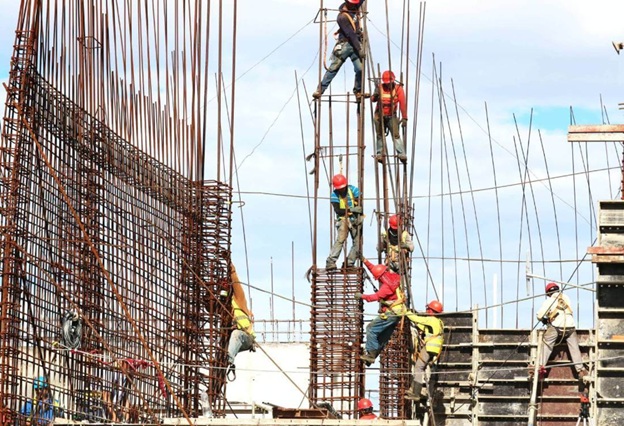
Construction requires physical labour, heavy machines, scaffolding, power tools, and dangerous materials on-site. If safety rules are not followed or taken seriously, it may harm workers from falls, electrical shocks, equipment accidents, or contact with harmful substances. These incidents lead to serious injuries, cost the company money, project timeline delays, and legal problems.
When you encourage a safety culture among workers at a construction site, it allows them to stay more alert and follow guidelines more consistently. They may recognise hazards, wear their protective gear or equipment properly, and take care of each other. This leads to a safe and productive workplace.
Reducing Workplace Accidents
The primary benefit of effective site safety is the reduction of workplace accidents. Construction companies that conduct regular safety inspections and risk assessments are better prepared to identify potential hazards before they become serious problems.
Clear signage, protective barriers, safe access points, and properly maintained equipment contribute to lowering accident risks. Ensuring workers receive adequate training allows them to understand how to handle machinery safely and respond appropriately during emergencies.
When accidents are minimised, projects can continue without unnecessary disruptions, helping teams stay on schedule and within budget.
Improving Productivity on Site
A safe construction site is a more productive one. Workers who feel secure in their environment are more confident and focused in their tasks. They are less likely to experience interruptions caused by injuries, unsafe conditions, or equipment failures.
Good organisation also plays an important role in site safety. Keeping pathways clear, storing materials correctly, and maintaining clean work areas help workers move efficiently around the site. This reduces confusion, improves communication, and supports smoother day-to-day operations.
By investing time into safety planning, construction teams can improve workflow and maintain higher levels of productivity throughout the project.
Meeting Australian Safety Regulations
Australia has strict workplace health and safety regulations designed to protect workers across all industries, including construction. Construction companies are expected to comply with these standards by implementing appropriate safety procedures, conducting risk assessments, and providing workers with suitable protective equipment.
Failing to meet safety requirements can result in penalties, project shutdowns, and reputational damage. Poor safety practices place workers at unnecessary risk. Staying compliant with regulations demonstrates professionalism and responsibility while helping projects operate smoothly and legally.
Regular safety audits and toolbox meetings are commonly used to ensure all workers understand current site procedures and expectations.
The Importance of Safety Training
Safety training is the most valuable investment in any construction project. Workers need to understand how to operate machinery safely, work at heights correctly, and identify potential risks before beginning tasks.
Training also helps new workers adapt quickly to site conditions and safety expectations. Ongoing education is equally important, as construction techniques, equipment, and regulations change over time.
Emergency response training is another aspect of site safety. Workers should know how to respond to incidents such as fires, equipment malfunctions, or medical emergencies. Quick and informed responses can reduce the severity of accidents.
Creating a Positive Safety Culture
Strong leadership is essential for maintaining high safety standards on construction sites. When supervisors and project managers prioritise safety, workers are more likely to follow procedures consistently.
Encouraging open communication allows workers to report hazards or concerns without hesitation. This helps prevent small issues from becoming major incidents. A positive safety culture also improves teamwork and morale, creating a supportive environment for everyone involved.
Construction projects are complicated and high-pressure, but safety should never take a back seat. It provides better results at the job site when workers feel protected, stay compliant with rules or regulations that lowers risk. When site safety is an ongoing priority, construction teams can build workplaces that are safer and more productive, helping everyone succeed over the long haul.
Conclusion
Good site safety is essential for any construction project that runs smoothly. When companies reduce hazards, offer proper training, and follow safety rules, they protect their workers and get better results on the job. Staying committed to safety not only prevents accidents, it also helps with productivity, team coordination, and overall efficiency. Making safety a priority at every step leads to a more secure workplace and helps projects succeed in the long run.