

In construction, logistics is the backbone of every project, shaping how smoothly materials move from suppliers to the job site. Among the many tools that keep this process running, pallets play a bigger role than most realize. They carry heavy loads, protect materials in storage, and make handling more efficient. Yet once materials are delivered, pallets are often treated as disposable waste.
This short-sighted approach overlooks their ongoing value. Recycling pallets not only reduces waste but also transforms them into reliable assets that support productivity, lower costs, and contribute to smarter construction practices.
Read on to see why pallet recycling matters in construction logistics and how it can make a measurable difference for your projects.
Reducing Costs in Material Handling
Material handling can become a significant expense in construction projects if pallets are constantly replaced instead of reused. Making smarter choices with pallets allows companies to cut down on recurring costs while maintaining efficiency.
The following are three of the most effective ways pallet recycling supports cost savings:
- Lower procurement costs: Recycled pallets are less expensive than new ones and still provide the durability needed for transporting heavy materials. Many pallet recyclers offer both standard and custom pallets, giving companies flexibility without stretching their budgets. Choosing recycled options helps contractors maximize resources while reducing overall spend.
- Refurbishing options: Instead of discarding broken pallets, many providers offer a repair process that restores them for continued use. This approach extends the lifecycle of each pallet and reduces the need for frequent replacements. It also helps keep wood waste out of landfills, supporting smarter waste management practices while cutting costs.
- Bulk handling savings: Partnering with the right supplier ensures a consistent flow of pallets for large-scale projects. Working with a company that manufactures new commercial wood pallet products and distributes repaired and remanufactured pallets allows access to reliable used pallets at competitive market rates. These arrangements keep inventory steady and expenses predictable.
Investing in pallet recycling and working with suppliers that provide comprehensive pallet solutions helps keep your business efficient, reduces unexpected costs, and ensures that material handling systems remain both practical and affordable.
Improving Sustainability and Waste Management
Construction sites generate a large volume of waste materials, and pallets are often a big part of that waste stream. Recycling them offers a practical way to cut down on excess disposal while supporting environmental responsibility.
To highlight the impact, the following are ways pallet recycling contributes to sustainability and smarter waste management:
- Reduced landfill waste: When pallets are reused, repaired, or broken down for parts, fewer materials end up in landfills. This reduction not only lowers disposal fees for construction companies but also helps prevent landfills from filling up with bulky wood products that take up valuable space. Keeping pallets in circulation gives them a second life and creates a cycle of use that benefits both businesses and the environment.
- Lower carbon footprint: Recycling pallets reduces the demand for new lumber and the energy required to process it. Every pallet that is reused decreases the need for cutting down trees and processing raw materials, which translates into fewer emissions. Over time, this shift in practice contributes to a more sustainable construction logistics system with measurable environmental benefits.
- Alignment with green standards: Many projects today aim to meet sustainability benchmarks or obtain certifications. Recycling pallets demonstrates accountability and provides documented actions that can contribute to meeting those goals. This proactive approach also builds trust with environmentally conscious clients, giving companies a competitive edge when bidding on projects.
Pallet recycling turns what would otherwise be a disposal problem into an opportunity for responsible resource management, creating both environmental and operational benefits for construction companies.
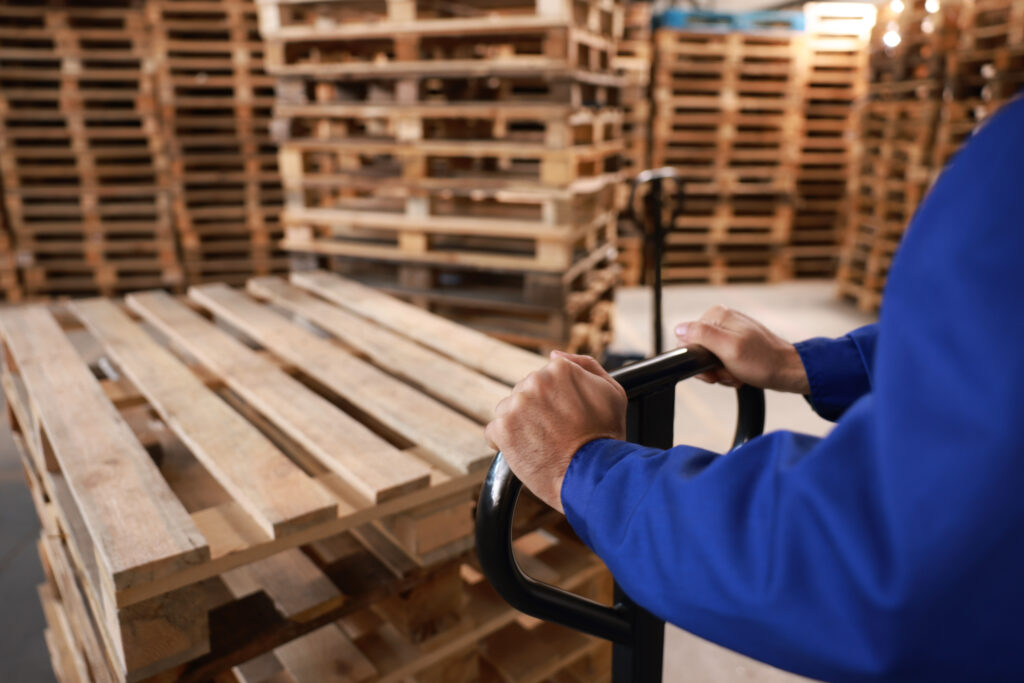
Enhancing Supply Chain Efficiency
A strong supply chain is essential for construction projects that operate under tight deadlines. Recycling pallets ensures that a consistent pool of usable pallets remains available, minimizing unexpected interruptions in the flow of materials. This stability helps contractors plan more effectively and keep projects moving forward without costly delays.
In addition, recycled pallets can be processed and returned to circulation much faster than manufacturing new ones. This quicker turnaround reduces the waiting time for equipment and materials to be shipped, allowing contractors to respond quickly to changes in project schedules. As a result, construction teams gain the flexibility to adjust to shifting demands while staying on track.
Furthermore, keeping recycled pallets in rotation simplifies coordination across suppliers, transporters, and job sites. With reliable pallet availability, materials can be loaded, shipped, and stored with fewer complications, leading to smoother handling across every stage of the project. This improved flow reduces bottlenecks, helping teams maintain steady progress from procurement to completion.
Meeting Compliance and Safety Standards
Safety is a top priority on construction sites, and pallet recycling contributes to creating a more secure work environment. Recycled pallets that are inspected and maintained properly reduce the risks linked to weak boards or broken structures. This helps workers handle materials with confidence and lowers the chances of accidents during loading or transport.
Beyond safety, compliance with regulations plays a significant role in construction logistics. Many regions have strict requirements regarding the disposal and recycling of building materials, including pallets. Incorporating recycling practices into daily operations helps companies avoid fines and maintain a strong reputation with regulators and stakeholders.
In addition, recycling programs can improve site organization, which supports both safety and compliance. When pallets are collected, sorted, and reintroduced into use instead of being discarded, clutter on job sites decreases. This not only reduces hazards but also shows a structured approach to logistics management that aligns with industry standards.
Supporting Circular Economy Goals
Supporting a circular economy means keeping resources in use for as long as possible, and pallet recycling fits well into this principle. Instead of treating pallets as disposable items, they can be repaired, reassembled, or broken down into parts that continue serving construction needs. This approach ensures that materials remain useful and reduces the demand for new inputs.
Moreover, extending the lifespan of pallets through recycling helps shift construction practices toward a more resource-conscious model. This shift strengthens a company’s role in promoting sustainable logistics while encouraging industry-wide adoption of similar practices. As a result, firms position themselves as forward-thinking partners who value both efficiency and environmental responsibility.
Final Thoughts
Pallet recycling offers represents a smarter way of thinking about resources and long-term business strategy. Companies that integrate recycling into their operations demonstrate efficiency, responsibility, and foresight, all qualities that clients and partners value. As construction continues to demand faster timelines and higher standards, those who prioritize recycling are better positioned to stay competitive while reducing strain on both budgets and the environment.






