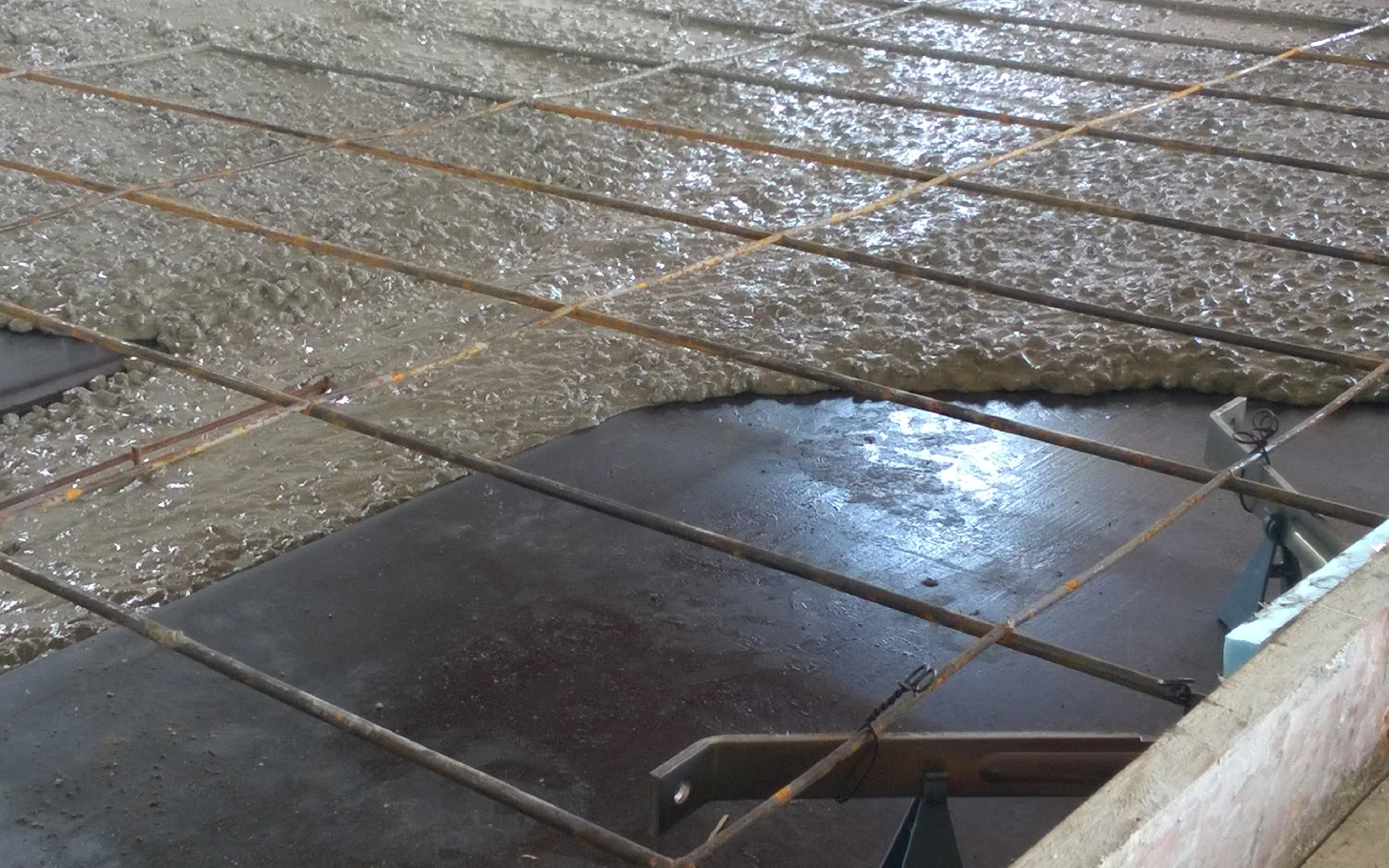
Anti-Segregation Admixtures are specialized chemical agents used in concrete to prevent the separation of coarse aggregates from the cement paste, ensuring a uniform and stable mix. Widely applied in ready-mix concrete, self-compacting concrete (SCC), high-slump, and pumped concrete, they maintain workability during long-distance transport and complex placement. By enhancing cohesion, reducing bleeding, and improving aggregate suspension, these admixtures ensure consistent structural performance, smooth surface finishes, and durability, making them essential across various projects.
Where Are Anti-Segregation Admixtures Used?
Anti-segregation admixtures are widely used across multiple concrete applications:
- Ready-Mix Concrete Operations – Maintains mix uniformity during transit from batching plants to site, reducing segregation and bleeding.
- Self-Compacting Concrete (SCC) – Ensures aggregate suspension and prevents settlement in high-flow, vibration-free applications.
- Pumped Concrete – Improves cohesion during pumping over long horizontal or vertical distances, minimizing blockages and surface defects.
- Architectural Concrete – Provides uniform surface finishes by preventing honeycombing and uneven textures.
- High-Slump and Flowable Mixes – Stabilizes mixes with high water content or superplasticizer dosage without compromising workability.
Advantages of Anti-Segregation Admixtures
Using anti-segregation agents offers both performance and operational benefits:
- Maintains uniform distribution of aggregates, ensuring consistent compressive and tensile strengths.
- Reduces bleeding, enhancing durability and lowering permeability.
- Minimizes surface defects such as honeycombing and voids.
- Enhances pumpability and reduces downtime during placement.
- Compatible with other admixtures including superplasticizers, retarders, and air-entraining agents.
- Supports sustainable construction by reducing rejected concrete and material wastage.
- Improves quality of high-performance and self-compacting concrete.
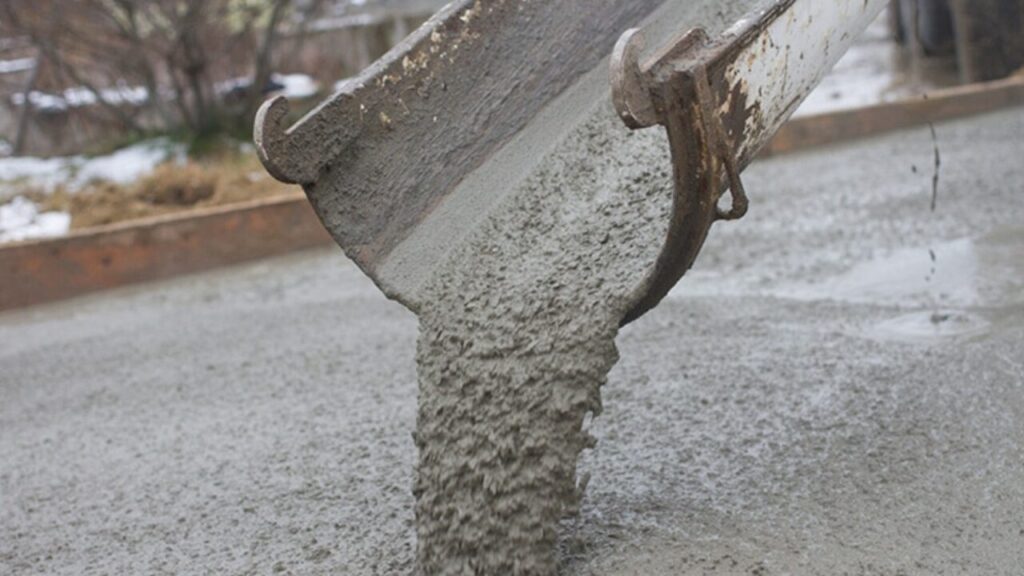
Mechanism of Action
Anti-segregation admixtures work primarily by modifying the rheology of the concrete mix:
- Increasing Paste Viscosity: Helps suspend coarse aggregates and reduces settlement.
- Forming Cohesive Networks: Polymers create bonds within the cement matrix that maintain internal cohesion.
- Reducing Water Migration: Retains water in the paste, preventing bleeding.
- Ensuring Compatibility: Some admixtures are designed to work with superplasticizers without reducing flow.
Types of Anti-Segregation Admixtures
Viscosity-Modifying Agents (VMAs)
Viscosity-modifying agents are chemical admixtures designed to increase the viscosity of the cement paste in concrete, improving the suspension of coarse aggregates and reducing segregation and bleeding. Typically composed of cellulose derivatives, modified polysaccharides, or synthetic polymers, VMAs work by thickening the matrix, allowing the concrete to flow without losing uniformity. These admixtures are particularly important in self-compacting concrete (SCC) and pumped concrete, where high flowability is required without vibration. By maintaining a stable mixture during transport and placement, VMAs ensure consistent compressive strength and surface quality while reducing defects such as honeycombing or void formation.
Polymeric Stabilizers
Polymeric stabilizers are synthetic polymers, including polycarboxylate ethers and polyacrylamides, that enhance the internal cohesion of concrete. These admixtures form microscopic networks within the cement paste, improving aggregate suspension and preventing settlement during handling and placement. Polymeric stabilizers are particularly useful in high-performance concretes and high-slump mixes, where the risk of segregation is elevated due to water content or superplasticizer use. By maintaining homogeneity, these agents contribute to consistent structural performance, improved durability, and a uniform surface finish, especially in architectural or exposed concrete applications.
Combination Admixtures
Combination admixtures integrate the properties of superplasticizers and anti-segregation agents into a single product, simultaneously enhancing flowability and stability. These admixtures are highly effective in ready-mix concrete operations that involve long transport distances, complex formwork, or pumped concrete applications. The dual-function approach reduces the need for multiple chemical additions, simplifies mix design, and maintains concrete uniformity even under high-flow conditions. By preventing aggregate settlement while ensuring sufficient workability, combination admixtures support both structural integrity and operational efficiency in modern construction.
Powder-Based Anti-Segregation Agents
Powder-based anti-segregation agents consist of finely ground mineral powders or polymer-modified powders that increase paste density and cohesion. These admixtures enhance the surface area of the cement matrix, improving the bonding between aggregates and paste, which reduces the risk of separation and bleeding. Powder-based agents are commonly used in precast concrete, architectural panels, and exposed surfaces where visual uniformity and structural consistency are pivotal. They offer a cost-effective and durable method to stabilize concrete mixtures, particularly in high-performance or specialty applications requiring minimal maintenance and long-term durability.
Key Considerations for Selecting Anti-Segregation Admixtures
- Dosage: Must be optimized; overdosage can reduce workability.
- Compatibility: Should be compatible with cement type and other admixtures.
- Mix Design Adjustment: May require minor changes in water-cement ratio or aggregate grading.
- Environmental Conditions: High temperatures or long transport can affect performance.
- Transport and Placement: Consider pumping height, distance, and handling methods.
Conclusion
Anti-segregation admixtures are essential for modern ready-mix and self-compacting concrete, ensuring uniformity, surface quality, and durability. Their use in high-slump, pumped, or architectural concretes prevents segregation and bleeding, enhances structural integrity, and supports operational efficiency. By carefully selecting the appropriate admixture, optimizing dosage, and considering environmental and transport conditions, concrete can achieve consistent performance from batching to placement, resulting in sustainable, high-quality construction.
Images- masterbuildersolutions.com, ecmas.in