Steel reinforcement must arrive to the correct specification and at the right stage of a construction project. If bars are fabricated incorrectly or a scheduled delivery is late, reinforcement fixing can be delayed, and subsequent concrete work may also be affected.
For that reason, choosing between reinforcement suppliers involves more than comparing steel prices. Contractors and construction buyers should consider material quality, fabrication capabilities, product availability, and delivery arrangements. A supplier that performs reliably across these areas can make reinforcement procurement much easier to manage.
Why Does the Right Reinforcement Supplier Matter?
Reinforcement is ordered to meet specific structural requirements. Bar diameter, mesh type and fabricated shapes must therefore correspond with the project drawings and schedules.
Timing is equally important. Reinforcement often needs to be fixed before formwork is completed and concrete can be poured. If the required steel is unavailable or arrives later than planned, site teams may have to adjust the programme around the missing materials.
A dependable supplier helps reduce these procurement problems by supplying the specified products within an agreed timeframe.
What Should You Look for in a Steel Reinforcement Supplier?
You should evaluate a good supplier by how well its products and services meet the project’s practical requirements.
- Consistent Steel Quality
Material quality should be a top consideration. Reinforcement becomes part of the finished concrete structure, so buyers need products manufactured to the project’s specified standards.
Check which British Standards apply to the reinforcement being supplied and whether the supplier can provide suitable product information when required. Steel Reinforcement Suppliers, for example, state that their steelwork is manufactured to BS 4466 and BS 8666.
Price still matters, particularly on projects requiring large quantities. However, a lower quotation offers little value if the reinforcement does not meet the required specification.
- A Suitable Range of Reinforcement Products
Construction projects can require several forms of reinforcement rather than one standard product. A supplier with a broader range can simplify purchasing by coordinating multiple requirements.
Common products include:
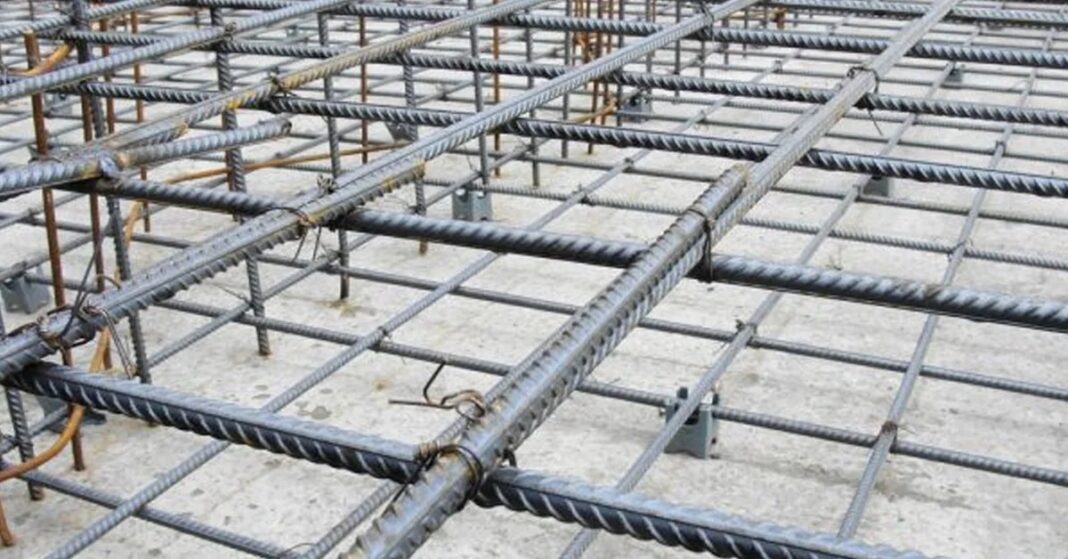
- Reinforcing bar in different sizes
- Reinforcing mesh
- Cut-and-bent rebar
- Bespoke reinforcement cages and accessories
Sourcing these products through one supplier can also reduce the number of separate orders that a buyer needs to manage.
- Accurate Cut-and-Bent Reinforcement
Projects that require shaped reinforcement need more than standard-length bars. Cut-and-bent steel must be fabricated according to the dimensions and shapes specified in the bending schedule.
Accuracy matters because incorrectly fabricated bars may not fit the intended reinforcement arrangement. Corrections can then create unnecessary work on site.
Using prefabricated cut-and-bent reinforcement can also reduce the amount of processing required after delivery. The target supplier specifically offers cut-and-bent rebar as part of its reinforcement range.
- Reliable Delivery to Site
Delivery should fit the construction programme rather than simply occur whenever stock becomes available. Before ordering, confirm the expected lead time and whether the supplier can deliver to the project location. Buyers should also communicate any fixed dates linked to reinforcement installation or planned concrete work.
Reliable scheduling becomes particularly important for larger orders because storing excessive reinforcement too early can create site congestion. Delivery planning should therefore balance material availability with the sequence of work.
- Practical Offloading Arrangements
Getting reinforcement to the site is only part of the delivery process. The project also needs a practical way to unload it.
Long bars, reinforcement mesh, and fabricated cages can be difficult to handle without suitable equipment. Buyers should discuss unloading requirements before confirming the order, especially when a site has limited handling equipment.
Where necessary, a supplier that can arrange HIAB crane offloading can simplify the process. Steel Reinforcement Suppliers states that HIAB-equipped delivery can be requested for easier offloading.
- Support for Bespoke Requirements
Standard stock will not cover every reinforcement requirement. Some projects need bars fabricated to particular schedules or reinforcement cages prepared to specific dimensions.
A suitable supplier should therefore understand bespoke requirements before providing a quotation. Clear communication at this stage helps ensure that the price reflects the correct products and fabrication work.
Technical support can also help when buyers need clarification on available reinforcement sizes or product options.
- Clear and Competitive Quotations
Comparing quotations requires more than looking at the final figure. Buyers need to know exactly what each price includes.
Clearly identify quantities and product specifications. Account for any fabrication requirements, along with delivery and offloading arrangements where applicable.
A detailed quotation makes comparisons easier and reduces the chance of unexpected costs after the order is placed.
Standard Rebar, Mesh, or Cut-and-Bent Steel: What Does Your Project Need?
The correct product depends on the structural design and intended application.
| Product | Typical Application | Key Ordering Detail |
| Rebar | Reinforced concrete elements | Diameter, length, and quantity |
| Reinforcing mesh | Concrete slabs and similar applications | Mesh type and sheet specification |
| Cut-and-bent rebar | Specified reinforcement shapes | Bending schedule and dimensions |
| Reinforcement cages | Preassembled reinforcement arrangements | Size and fabrication requirements |
Project drawings and structural specifications should determine the reinforcement ordered. Do not use convenience or price to substitute one reinforcement type for another when a specific product has been specified.
What Should You Confirm Before Placing an Order?
Providing complete information helps the supplier prepare an accurate quotation and plan the order correctly.
- Confirm the required reinforcement type and specification.
- Provide bar diameters or mesh references.
- State the quantities required for the project.
- Supply bending schedules for cut-and-bent reinforcement.
- Specify the required delivery date and location.
- Explain site access restrictions before delivery.
- Confirm how the reinforcement will be unloaded.
Checking these details before ordering can reduce avoidable questions later and help ensure that fabrication and delivery arrangements reflect actual site requirements.
Conclusion
A good steel reinforcement supplier should provide more than a competitive price. Reinforcement must meet the project specification, and fabricated products must arrive in the correct dimensions. Delivery also has to fit the construction programme so site work can continue as planned.
Before choosing a supplier, compare its product range and fabrication capabilities with your project requirements. Then confirm lead times and site delivery arrangements before placing the order.
Steel Reinforcement Suppliers provides rebar, reinforcing mesh, cut-and-bent reinforcement, bespoke cages and accessories, with direct-to-site delivery and HIAB offloading available on request. These services allow buyers to source reinforcement according to both their structural requirements and site programme.