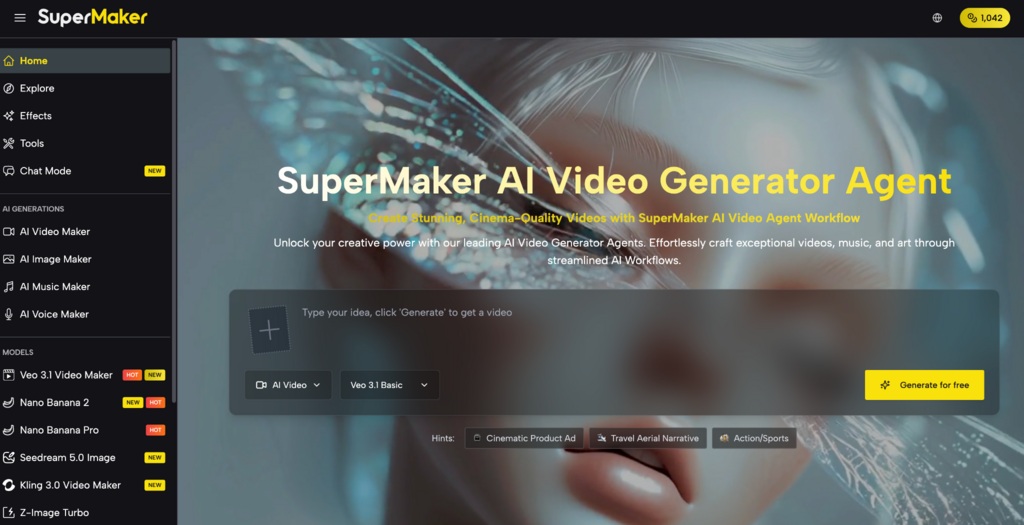
Selling a construction or development project often has to happen long before there’s anything physical to show — to investors reviewing a pitch deck, planning committees evaluating a proposal, or future tenants deciding whether to commit. Traditional architectural renders and walkthrough videos can take weeks to produce and carry a real budget line, which is why early-stage visualization has historically been reserved for larger, better-funded projects, leaving smaller developers and firms without an easy way to communicate an early-stage vision at all. A newer category of AI Video Maker tools is starting to change that, offering a faster, lower-cost way to generate early promotional and concept visuals directly from a written project description.
The Gap Between “Approved Concept” and “First Marketing Visual”
Most construction projects go through a long stretch where the concept is locked in but there’s nothing visual to show beyond technical drawings — not exactly compelling material for an investor update or a social media teaser. Commissioning a full architectural render or a promotional walkthrough this early is often not worth the cost, since the design may still shift, and firms are understandably reluctant to spend on visualization work that could need to be redone after the next round of stakeholder feedback. That leaves firms with a real gap in what they can show stakeholders during the earliest, most idea-driven phase of a project, right when maintaining visible momentum often matters most for keeping investors and future tenants engaged.
AI-generated concept visuals can help bridge this period without forcing the team to treat every early image as a permanent asset. A developer can create a preliminary video or visual direction for an update, collect reactions, and then revise the material as the project evolves. This makes early communication more flexible while preserving the budget for accurate architectural renders once the design reaches a more stable stage.
Three Practical Uses for AI Visualization in Construction Marketing
1. Early Concept Videos for Investor Updates
A written project description or a handful of reference images can be turned into a short promotional video, useful for pitch decks and investor briefings before formal renders are commissioned.
2. Concept Art for Internal Presentations
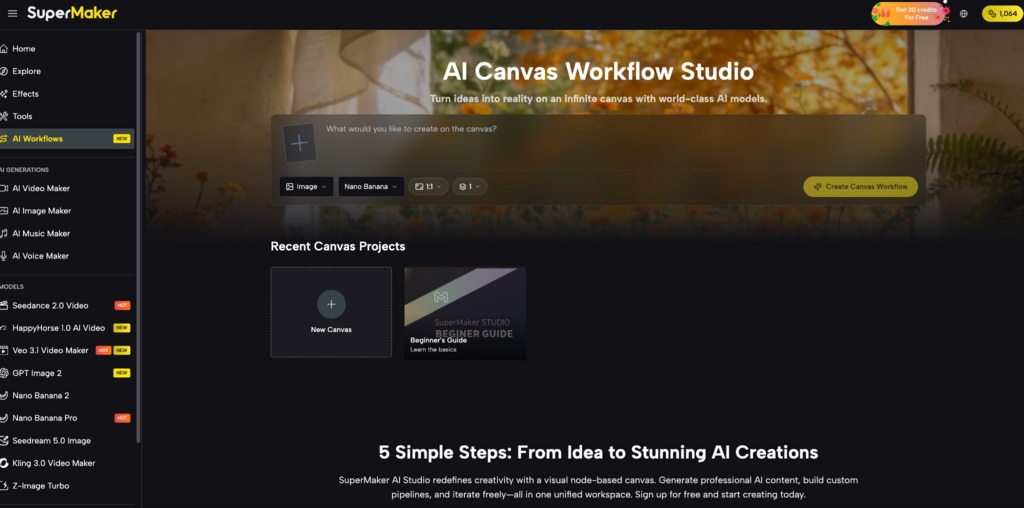
An AI Image Maker tool generates visual concepts from a text prompt, which teams have used for early mood boards and internal design discussions when a full render isn’t yet budgeted.
3. Social Teasers Ahead of Formal Marketing Assets
Marketing teams can generate a rough promotional clip to build early interest on social channels, well before the project reaches the stage where a professional production crew gets involved.
Where This Is Headed for the Construction Industry
As these tools improve, the more likely path isn’t AI visualization competing with certified architectural rendering — it’s the two working side by side at different stages of the same project. Expect AI-generated visuals to keep handling the earliest, most disposable stage of a project’s life, while formal renders and BIM-based walkthroughs remain the standard once a design is locked and a planning submission is on the table. Firms that build a clear line between “early concept content” and “final marketing assets” are likely to get the most value out of both, without either one undermining the credibility of the other.
This could also make visualization a more continuous part of project communication rather than a single milestone near the end of the design process. Marketing teams may create several early concepts as plans develop, while architects and visualization specialists later replace them with accurate materials based on approved drawings and models. Used this way, AI supports faster communication without changing the role of professional architectural visualization.
Where These Tools Fit — and Where They Don’t
It’s worth being direct about the limits here: none of this is a substitute for certified architectural renders, BIM modeling, or the polished walkthroughs used in formal planning submissions, and no serious firm should present AI-generated visuals as final design documentation. What these tools are useful for is the earlier, lower-stakes stage of communicating a vision — to an internal team, an early investor, or a general audience who just needs a sense of direction rather than technical accuracy.
Clear labeling is therefore essential whenever early concept visuals are shared outside the company. Teams should identify them as illustrative or AI-generated, avoid presenting unconfirmed details as approved features, and explain that materials, dimensions, landscaping, and layouts may change. This protects stakeholder trust while allowing the business to benefit from faster and more accessible early-stage communication.
How Marketing and Design Teams Can Divide This Work
For firms adopting this into their process, the cleanest approach is usually to draw a firm internal line: marketing and business development own the early concept content, while the design and engineering teams retain full ownership of anything that will eventually inform actual construction or planning submissions. Keeping those two workstreams clearly separated avoids the risk of an early AI-generated visual accidentally circulating as if it were an approved design, which is a mistake worth guarding against explicitly as these tools become more common in day-to-day use.
A simple approval and file-management process can reinforce that separation. Early marketing visuals can be stored in a clearly labeled concept folder, reviewed before external use, and removed or replaced when updated designs become available. Meanwhile, official drawings, renders, and planning materials should remain within the established design review workflow, ensuring that only verified information is used for technical or regulatory purposes.
Conclusion
For construction and development firms, that earlier communication gap has traditionally gone unfilled simply because it wasn’t cost-effective to fill it. As AI Video Maker mature, they’re giving marketing and business development teams a practical way to keep stakeholders engaged during the long stretch between concept approval and the first professional renders — without pulling budget away from the formal visualization work that still has to happen later in the process. For teams evaluating whether this fits into their own pre-construction marketing, the easiest test is running one early-stage project through it before committing to a broader workflow change.