
The advent of smart building technology marks a significant departure from traditional construction practices. Integrating automated processes, IoT devices, and big data analytics enhances infrastructure performance and efficiency in smart buildings. This shift is not just about adopting new technologies; it’s about creating intelligent systems that optimize operational efficiency and sustainability.
Technologies like IoT, AI, and cloud computing are pivotal in transforming and seamlessly integrating various building systems. The future of today’s smart buildings looks promising, characterized by increased automation, self-sufficiency in energy generation, and real-time responsiveness to user needs.
The construction industry increasingly depends on these advanced tools to meet rising demands for safety, cost-effectiveness, and environmental responsibility. This evolution is both technological advancement and cultural, facilitating better communication and collaboration among diverse stakeholders.
Evolution of Tools in the Construction Industry
The story of construction tools is as old as civilization itself. Early builders relied on body parts to measure lengths, a practice that has evolved into the use of digital measuring devices offering precise measurements and software integration. This shift from manual to digital has streamlined operations, making processes faster and more accurate.
One of the most significant advancements has been the transition from pen-and-paper methods to digital estimation tools. This evolution has not only made cost estimation more accurate but also more efficient. Similarly, the introduction of laser levels has revolutionized the way builders achieve straight lines, offering greater precision compared to traditional methods.
The construction industry has also seen a dramatic shift in machinery and equipment. From manual lifting to the use of advanced cranes and excavators, the role of heavy machinery has been transformative. Digital cameras have become indispensable, allowing builders to integrate photographs into project documentation easily. These technological advancements have collectively improved building performance and operational efficiency, setting the stage for modern infrastructure development.
Digital Transformation in Construction Practices

Source: https://unsplash.com/photos/a-small-model-of-a-house-with-a-roof-tLUTTUL-kKE
The digital transformation in the construction industry is nothing short of revolutionary. Building Information Modeling (BIM), artificial intelligence, and digital twins have become integral to planning and execution. These tools provide a virtual representation of a project, allowing for real-time data analytics and more informed decision-making.
Project management has also seen significant improvements. Faster processing and modeling capabilities have streamlined workflows, reducing the time and cost associated with construction projects. The use of modern smart technologies, such as virtual reality, allows for immersive planning and training experiences, further enhancing project outcomes.
Processors and performance-driven systems have enabled the use of complex design tools that were once unimaginable. Companies adopting innovative digital platforms, such as REDEX, demonstrate how integrated solutions can further optimize project workflows and enhance collaboration across stakeholders.
Logistics and Supply Chain Advancements
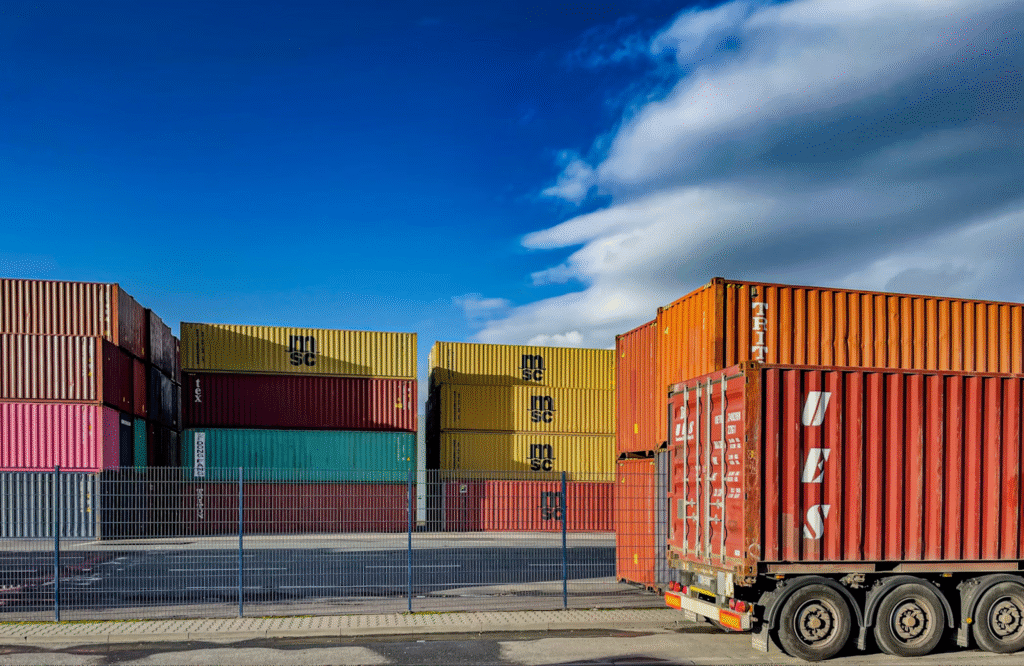
Source: https://unsplash.com/photos/a-truck-is-parked-in-front-of-a-bunch-of-shipping-containers-Xk1IfNnEhRA
Efficient logistics and supply chain management are crucial for modern infrastructure development. The global nature of construction projects necessitates a well-coordinated supply chain to ensure timely delivery of materials and equipment. Advanced data analytics and emerging technologies, such as programmable logic controllers, are playing a vital role in optimizing these processes by identifying data patterns.
Material tracking and smart warehousing are two exciting developments in this area. These technologies help prevent project delays by ensuring that materials are available when needed. International logistics have also become more streamlined, reducing operational costs and improving overall efficiency.
The advancements in transportation networks and the integration of new technologies are significantly impacting real-world operations, making the construction industry more agile and responsive.
The Role of Heavy Machinery and Advanced Equipment
Heavy machinery and advanced equipment are the backbone of modern infrastructure projects. Cranes, excavators, and tunneling machines are essential for large-scale construction. These machines have evolved significantly, incorporating new technologies that enhance their performance and sustainability.
Innovations in construction machinery include:
- Fuel-efficient systems and IoT integration, making machines more efficient and environmentally friendly.
- Autonomous operation technology, which minimizes the need for human intervention, enhancing productivity and reducing safety hazards.
- Remote-controlled machinery, allowing tasks to be carried out safely in hazardous environments.
Predictive analysis is also playing a crucial role in equipment management. Predictive analysis, by forecasting maintenance needs and potential breakdowns, help reduce operational costs and enhance equipment longevity. These technological advancements are vital for the construction industry, ensuring efficient operations and contributing to the development of sustainable infrastructure while also addressing equipment failures.
Sustainability and Green Building Practices

Source: https://unsplash.com/photos/gray-concrete-building-with-green-vines-wpMhOoLxpKs
Sustainability is a cornerstone of modern infrastructure development. The construction industry is increasingly focusing on eco-friendly tools and systems to drive sustainable practices. Energy management systems, integrated building management, and energy storage systems are some of the key technologies being adopted.
Energy efficiency and the use of smart materials are crucial in reducing the environmental impact of construction projects. Buildings capable of generating their own renewable energy and utilizing smart grids are becoming more common. These practices not only reduce energy consumption and energy usage but also improve building performance and sustainability, using as much energy as possible from renewable sources.
Real-world examples of companies adopting eco-solutions highlight the industry’s commitment to green building practices. For instance, the use of renewable energy sources and advanced waste management systems are becoming standard in modern construction. These sustainable practices are essential for urban development and reducing the carbon footprint of construction projects.
Enhancing Worker Safety and Site Efficiency
Worker safety and site efficiency are paramount in the construction industry. Innovations enhancing safety and operational efficiency include:
- Advanced waste management systems
- Health and wellness technologies
- Robust security protocols
- Wearable tech
- Automation for hazardous tasks
These technologies are being implemented to make construction sites safer.
Site management systems are also improving productivity and worker well-being. These systems help in monitoring data security, energy management, and building performance, ensuring efficient operations in building operations. Addressing potential safety hazards and security features, these technologies significantly impact real-world operations in the construction industry, including advanced security systems.
The Human Element in Construction Transformation
While technology plays a crucial role in modern infrastructure, the human element remains indispensable. Upskilling, training, and workforce development are essential for leveraging the full potential of smart building technology. Comprehensive training programs and safety committees are vital for educating workers about human factors and maintaining their safety.
Workplace culture, recognition, and employee retention are also important aspects of construction transformation. Addressing issues like fatigue, distractions, and confusion can significantly improve worker performance and safety. Balancing technology with human expertise ensures a more efficient and safer construction environment.
Challenges in Adopting Advanced Tools
Adopting new technologies in the construction industry comes with its own set of challenges, including:
- High costs
- Training gaps
- Resistance to change
- Limited budgets
- Tight project deadlines
These factors often discourage stakeholders from investing in new technology, leading them to prioritize familiar methods instead.
The construction industry also suffers from fragmentation, making the implementation of new tools across diverse property teams and stakeholders complicated. Despite these challenges, the potential for technological integration in construction is significant, with only a small percentage of contractors currently utilizing advanced tools.
Collaboration within the industry and supportive infrastructure policies are crucial for overcoming these barriers and embracing innovative systems.
Future Outlook for Modern Infrastructure Development
The future of modern infrastructure development is bright, with trends like AI-powered robotics, net-zero buildings, and global collaboration shaping the landscape. Investment in infrastructure is projected to reach $106 trillion by 2040, driven by the need for new and updated systems across multiple sectors.
The green energy transition is reshaping infrastructure needs, necessitating significant capital for renewable energy generation and grid upgrades. Advanced tools and systems will play a crucial role in defining the future of construction, ensuring sustainable infrastructure and efficient resource allocation.
Conclusion
In conclusion, the integration of advanced tools, logistics, sustainability practices, and human expertise is essential for modern infrastructure development. Technological advancements like IoT and AI, along with machine learning, are transforming construction, making it more efficient and sustainable.
Balanced innovation, supported by industry collaboration and policy, drives long-term success.
Frequently Asked Questions
What is smart building technology?
Smart building technology involves the integration of automated processes, IoT devices, and data analytics to optimize infrastructure performance and energy efficiency. This innovation facilitates a more sustainable and responsive built environment.
How has digital transformation impacted construction practices?
Digital transformation has significantly enhanced construction practices by improving project management and execution through technologies such as BIM, AI, and digital twins, facilitating real-time data analytics for better decision-making. This evolution allows for more efficient and informed construction processes.
What are some challenges in adopting advanced tools in construction?
Adopting advanced tools in construction faces significant challenges, including high costs, training gaps, and resistance to change. These barriers, along with limited budgets and tight deadlines, can hinder investment in new technologies.
How are advancements in logistics and supply chain management benefiting construction?
Advancements in logistics and supply chain management are benefiting construction by streamlining material tracking and enhancing warehousing efficiency, which helps prevent project delays and reduces operational costs. This leads to improved overall project efficiency.
What role does sustainability play in modern construction?
Sustainability plays a vital role in modern construction by prioritizing eco-friendly tools, energy efficiency, and smart materials, while incorporating practices such as renewable energy generation and advanced waste management. This commitment to sustainable practices is essential for reducing environmental impact and promoting a healthier future.
Source: https://unsplash.com