As buildings become more energy-efficient and sustainability regulations continue to evolve, roofing systems are expected to do much more than provide shelter. Modern roofs must reduce heat transfer, withstand harsh weather conditions, support structural integrity, and contribute to lower operating costs. One solution that has gained widespread acceptance in industrial, commercial, institutional, and cold storage facilities is the insulated roofing panel.
What Are Insulated Roofing Panels?
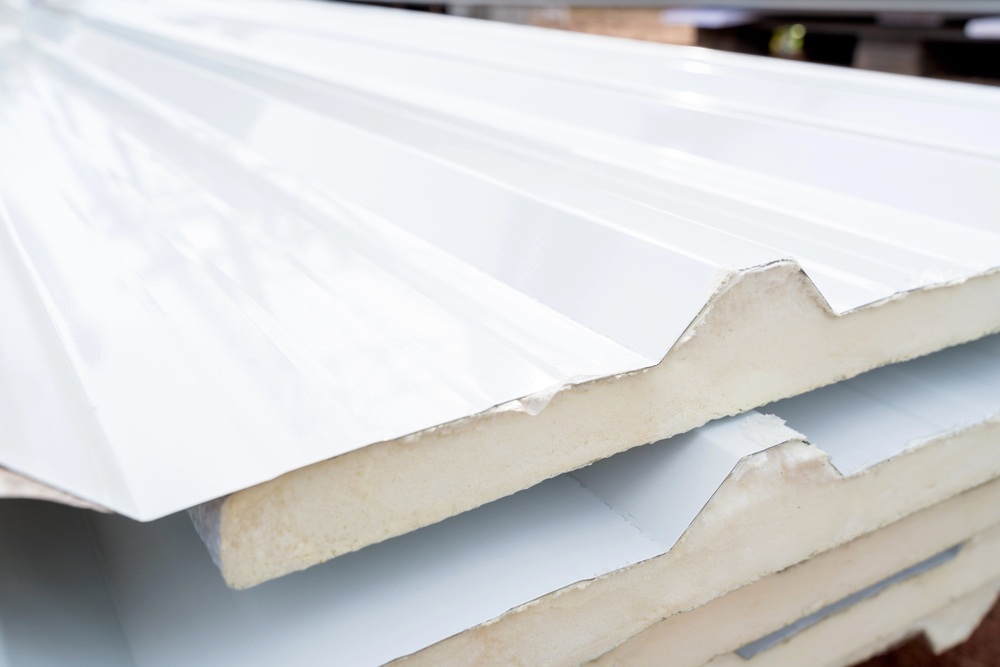
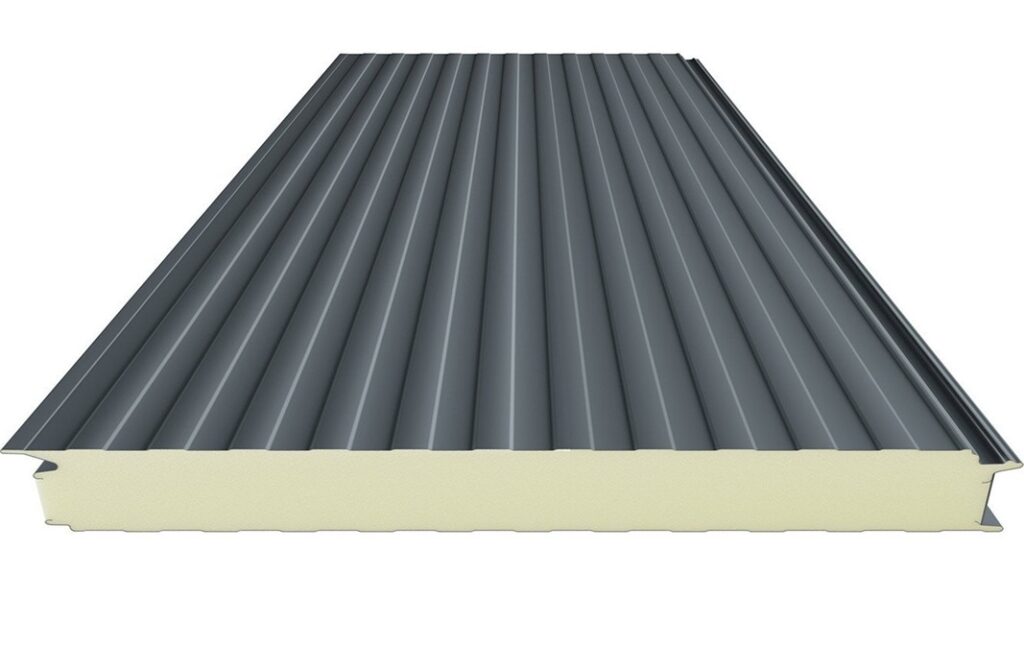
Insulated roofing panels, commonly known as sandwich panels, consist of three primary layers:
- Outer metal facing
- Insulating core
- Inner metal facing
The outer and inner facings are typically manufactured from galvanized steel, Galvalume steel, aluminum, or color-coated steel. Between these facings lies a rigid insulation core bonded under controlled factory conditions.
The integrated design provides:
- Structural strength
- Thermal insulation
- Weather resistance
- Moisture protection
- Attractive appearance
Since the panels are prefabricated, they arrive at the construction site ready for installation, minimizing on-site fabrication.
Components of Insulated Roofing Panels
- Outer Metal Sheet: Protects the roof from weather, corrosion, UV radiation, and mechanical damage.
- Insulation Core: Provides thermal insulation and improves the panel’s energy efficiency.
- Polyurethane (PU): Offers excellent thermal insulation with lightweight construction.
- Polyisocyanurate (PIR): Provides superior thermal performance with enhanced fire resistance.
- Mineral Wool (Rock Wool): Delivers high fire resistance along with acoustic insulation.
- Expanded Polystyrene (EPS): Provides economical and lightweight thermal insulation.
Advantages of Insulated Roofing Panels
- Excellent Thermal Insulation: Reduces heat transfer and improves energy efficiency.
- Faster Construction: Combines roofing and insulation in a single installation.
- Reduced Structural Load: Lightweight panels reduce the load on the building structure.
- Improved Weather Resistance: Protects against rain, wind, UV rays, and temperature changes.
- Energy Savings: Lowers HVAC energy consumption and operating costs.
- Improved Indoor Comfort: Maintains consistent indoor temperatures throughout the year.
- Low Maintenance: Durable coatings minimize corrosion and maintenance needs.
- Fire Performance: Varies by insulation core, with PIR and mineral wool offering higher fire resistance.
- Acoustic Performance: Reduces noise transmission for quieter indoor environments.
How Insulated Roofing Panels Work?
Heat naturally moves from warmer areas to cooler areas.
During summer:
- Solar radiation heats the roof.
- Insulation slows heat transfer into the building.
- Indoor temperatures remain more stable.
During winter:
- Internal heat is retained.
- Heating energy requirements decrease.
The result is improved thermal comfort and reduced energy consumption.
Types of Insulated Roofing Panels
- Single Span Panels – Designed to span between two structural supports, providing strength and stability for industrial and commercial roofing applications.
- Standing Seam Panels – Feature concealed fasteners and raised seams, offering superior weather resistance, leak protection, and a clean architectural finish.
- Trapezoidal Profile Panels – Manufactured with a trapezoidal rib profile that provides high structural strength, load-bearing capacity, and long-span performance.
- Corrugated Insulated Panels – Designed with a corrugated profile that enhances rigidity, improves rainwater drainage, and withstands varying weather conditions.
- Sandwich Roof Panels – Consist of two metal sheets bonded to an insulated core, delivering excellent thermal insulation, energy efficiency, and structural integrity.
- Composite Insulated Panels – Built with multiple layers that combine insulation, strength, and weather protection for improved durability and long-term performance.
- Clip-Fix Roof Panels – Fixed using concealed clips instead of exposed fasteners, allowing thermal movement while minimizing the risk of water leakage.
- Tile Profile Insulated Panels – Designed to replicate the appearance of traditional roof tiles while providing thermal insulation and enhanced weather resistance.
- Solar-Ready Insulated Panels – Engineered to support photovoltaic installations with minimal roof modifications, simplifying solar integration and maintaining roof performance.
- Walkable Roof Panels – Manufactured to withstand maintenance foot traffic without compromising structural performance, making them suitable for roofs requiring regular access.
Applications of Insulated Roofing Panels
- Industrial Buildings
- Warehouses
- Commercial Buildings
- Cold Storage Facilities
- Food Processing Plants
- Pharmaceutical Facilities
- Logistics Centres
- Agricultural Buildings
- Educational Institutions
- Healthcare Facilities
- Sports Facilities
- Airport Buildings
- Railway Buildings
- Prefabricated Buildings (PEBs)
- Data Centres
- Residential and Commercial Buildings
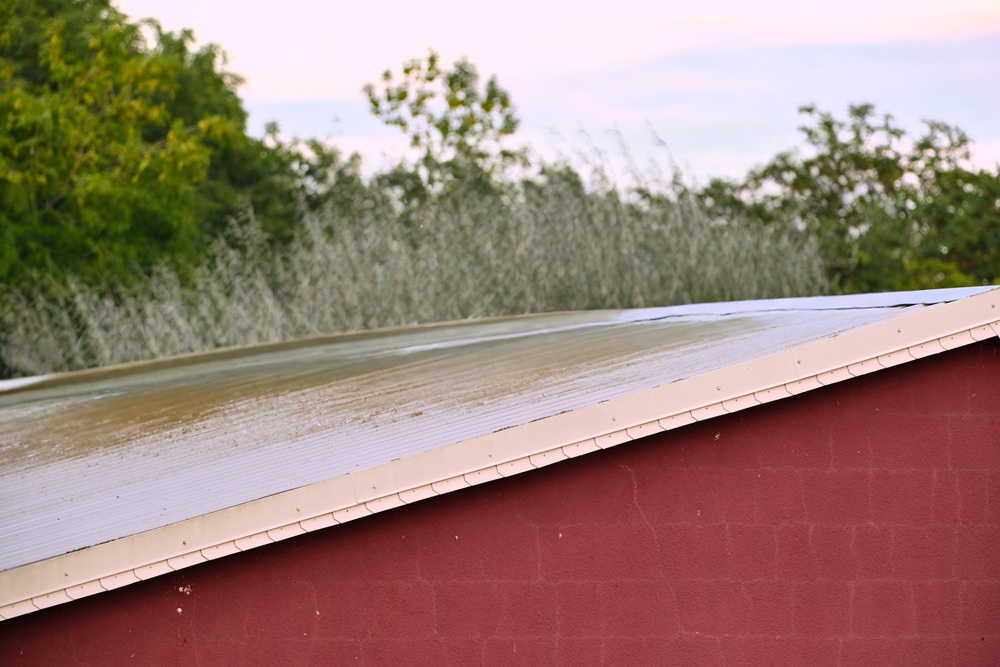
Installation Considerations
Proper installation is essential for long-term performance.
Key considerations include:
- Correct structural support spacing
- Proper fastening systems
- Accurate panel alignment
- Effective joint sealing
- Thermal movement allowance
- Flashing installation
- Ridge and gutter detailing
Professional installation minimizes the risk of leakage and thermal bridging.
Factors to Consider When Selecting Insulated Roofing Panels
Selection depends on several project requirements.
Consider:
- Climate conditions
- Thermal insulation requirements
- Fire performance
- Building occupancy
- Structural span
- Wind loads
- Corrosion exposure
- Roof slope
- Panel thickness
- Acoustic performance
- Budget
- Expected service life
Choosing the appropriate panel system ensures long-term building performance.
Sustainability Benefits
Insulated roofing panels support sustainable construction by:
- Reducing operational energy consumption
- Lowering greenhouse gas emissions associated with heating and cooling
- Minimizing material waste through factory-controlled production
- Enabling faster construction with reduced site disturbance
- Supporting green building certification objectives through improved thermal performance
- Offering recyclable metal facings at the end of the product’s service life
When combined with rooftop solar photovoltaic systems, cool roof coatings, or rainwater harvesting systems, insulated panels can further improve a building’s environmental performance.
As per Technavio report, the market potential for insulated roofing and structural panels in India is expanding rapidly, driven by rapid industrial warehousing, energy efficiency demands, and green building mandates. The structural insulated panels market in India is projected to reach USD 648.6 million by 2033, scaling at a strong compound annual growth rate (CAGR) of 13.2% from 2026.
Conclusion
Insulated roofing panels have transformed modern roofing by combining structural strength, thermal insulation, and weather protection into a single engineered product. As construction increasingly focuses on energy efficiency, sustainability, and lifecycle value, insulated roofing panels are expected to play an even greater role in future building projects. Careful selection of panel type, insulation core, thickness, and installation practices ensures that buildings achieve reliable long-term performance while meeting operational and environmental objectives. For architects, engineers, contractors, and building owners, insulated roofing panels offer a practical and efficient roofing solution that supports both functional and sustainability goals.