
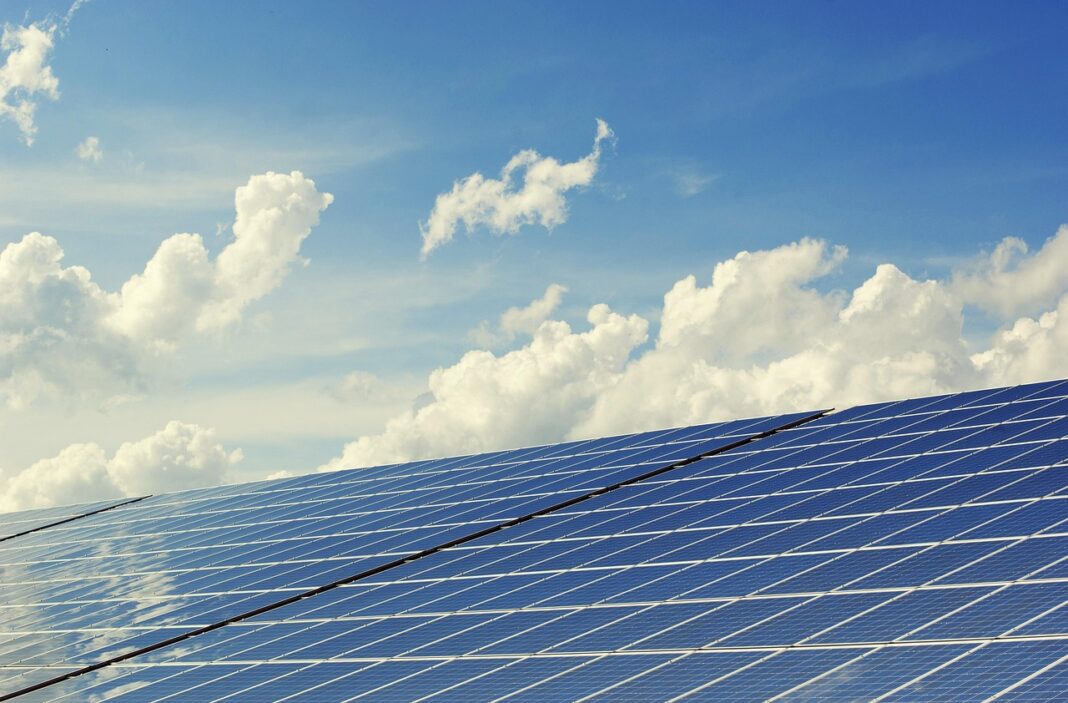
The PM Surya Ghar: Muft Bijli Yojana has crossed the milestone of 50 lakh rooftop solar installations, marking a significant step in India’s efforts to expand clean energy adoption at the household level. The achievement comes just over two years after the scheme was launched, with July 2026 recording the highest monthly installations since its inception.
According to official data, the programme added 5.06 lakh rooftop solar installations in July alone, the highest monthly addition so far. The pace of implementation has accelerated considerably, with average daily installations rising from 5,038 in October 2025 to nearly 16,328 in July 2026, representing a more than threefold increase in nine months. At the current rate, around one lakh households are joining the scheme every six days.
The centrally sponsored programme is being implemented with a financial outlay of ₹75,021 crore. It has achieved in two years what took nearly a decade earlier, when only 7.94 lakh rooftop solar systems had been installed across the country before the launch of the scheme.
To support households, the government has released ₹28,024 crore in subsidies through the Direct Benefit Transfer (DBT) mechanism. As a result, nearly 19 lakh households are now reporting zero electricity bills after installing rooftop solar systems.
The scheme has also enabled homeowners to generate additional income by exporting surplus electricity to the power grid. During FY 2024-25, more than 12 lakh households collectively earned ₹421 crore through the sale of excess power, averaging around ₹3,500 per household annually.
With the latest additions, the programme has commissioned a cumulative 14.8 GW of rooftop solar capacity, contributing to India’s renewable energy targets and strengthening distributed power generation.
The implementation ecosystem has expanded rapidly, with 34,219 registered vendors, including 29,469 active vendors, supporting installations across the country. In addition, more than 2.32 lakh people have been trained under various capacity-building programmes to meet growing demand for skilled manpower.
Under the Utility Led Aggregation (ULA) model, around 1.6 lakh rooftop solar installations have been completed for beneficiaries under PMAY, BPL, and SC/ST households across four states, helping extend the benefits of solar energy to economically weaker sections.
The government has also simplified the installation process through a fully digital platform covering applications, loan processing, net metering approvals, and subsidy disbursal. Further reforms, including deemed approvals for systems up to 10 kW and the removal of application and net-metering charges by 32 states and Union Territories, have helped accelerate adoption.
Additionally, 1.06 lakh government buildings have been solarised under the programme, reinforcing the government’s focus on expanding clean energy infrastructure, reducing electricity costs, and improving household-level energy security.






