The Centre has received 87 proposals from state and Union Territory governments under the first round of Phase-I of the Bharat Audyogik Vikas Yojana (BHAVYA), as the government moves ahead with its plan to develop 100 industrial parks across India.
The first-round application window closed on July 31, 2026. Maharashtra submitted the highest number of proposals at 14, followed by Madhya Pradesh with 11. Uttar Pradesh and Tamil Nadu submitted seven proposals each, while Andhra Pradesh and Gujarat contributed six proposals each.
₹33,660 Crore Scheme to Develop 100 Industrial Parks
The ₹33,660 crore BHAVYA scheme aims to develop 100 industrial parks over six years, with 50 parks planned under the first phase. The scheme will be implemented from FY 2026-27 to FY 2031-32.
The government expects to select up to 20 proposals in the first round. A second application round opened on August 1 and will remain open until September 30, providing states and Union Territories another opportunity to submit proposals.
The proposals received in the first round will undergo evaluation and scoring based on prescribed eligibility criteria. Key parameters include connectivity, site suitability, infrastructure quality and industrial development potential.
Focus on Investment-Ready Industrial Infrastructure
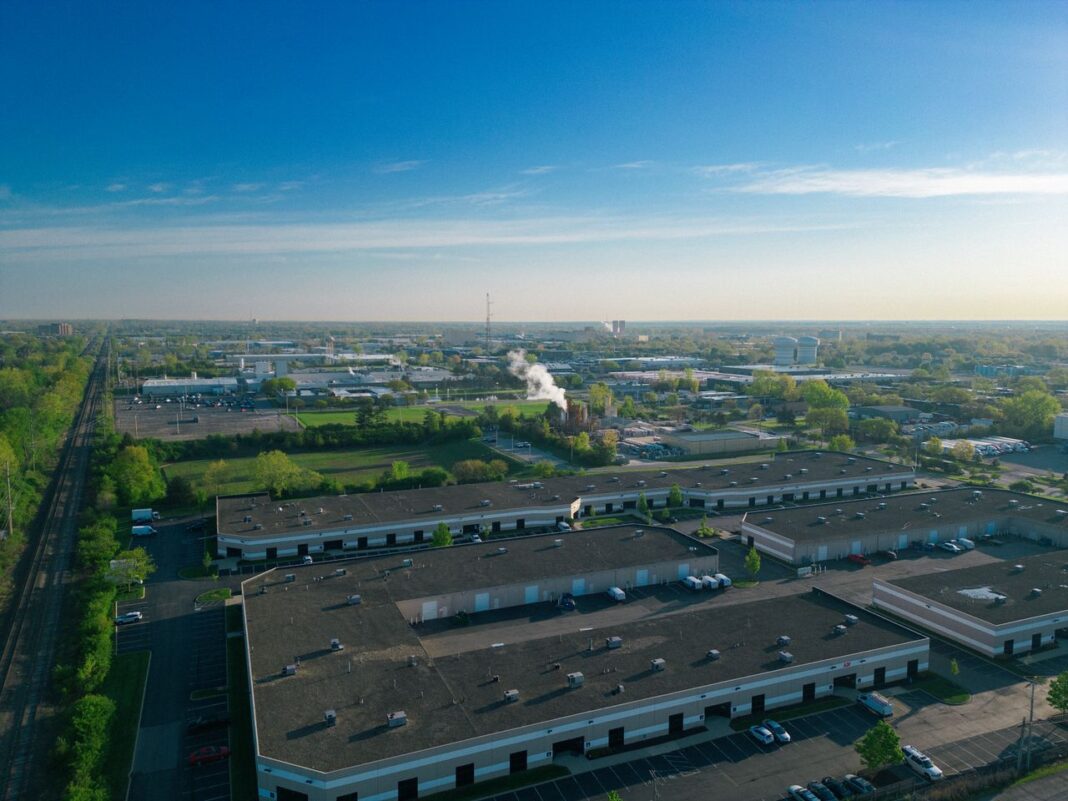
The BHAVYA scheme has been designed to create investment-ready industrial parks with infrastructure that enables companies to begin operations with limited additional development requirements.
The proposed parks will provide plug-and-play infrastructure, allowing manufacturers to establish and commence operations more efficiently. Financial assistance of up to ₹1 crore per acre will be available for eligible projects.
The infrastructure planned under the scheme includes underground utilities, water supply and waste management facilities, common effluent treatment plants, renewable energy infrastructure and digital single-window clearance facilities.
These facilities are intended to support industrial units by providing key infrastructure within the park and simplifying processes associated with setting up manufacturing operations.
Land Requirements for Industrial Parks
The scheme has also prescribed minimum land requirements for proposed industrial parks. Projects in non-hilly states must have at least 100 acres, while the minimum requirement is 25 acres for hilly states, northeastern states, Union Territories and smaller states.
The varying land requirements are intended to account for differences in geographical conditions and the availability of suitable land across states and regions.
Employment Generation
The Centre expects the BHAVYA scheme to generate around 15 lakh direct jobs, in addition to employment opportunities that could emerge indirectly through associated industries and services.
The development of industrial parks is expected to support manufacturing activity by providing common infrastructure and facilities to businesses. The scheme forms part of the government’s broader strategy to expand India’s manufacturing capacity and create locations equipped to attract new investments.
BHAVYA was approved by the Union Cabinet in March 2026. With 87 proposals already received in the first round of Phase-I, the government is now moving towards evaluation and selection of projects.
The next stage will involve assessing the proposals against the prescribed criteria before selecting projects for support. The second application window, which remains open until September 30, will further expand the pool of proposals considered for the industrial park programme.