More Than Meets the Eye
When you pass a new building rising on the skyline or drive across a freshly completed bridge, it is easy to assume a single company made it all happen. The signage out front suggests one contractor delivered the entire project.
The reality is far more complex and interesting.
Modern construction projects depend on intricate networks of specialized partners working in coordination. Each brings expertise that general contractors simply cannot maintain in-house. This collaborative approach produces better outcomes for everyone involved.
Understanding how these partnerships function reveals important insights about why some projects succeed brilliantly while others struggle to cross the finish line.
The Specialization Imperative
Construction has grown remarkably complex over recent decades. Building codes have tightened. Environmental requirements have multiplied. Technology systems have become integral to even basic structures.
No single company can master everything.
This reality has pushed the industry toward deeper specialization. Firms that once tried to handle all aspects of construction now focus on what they do best. They rely on trusted partners to fill the gaps.
The result is an ecosystem where expertise concentrates in focused companies. Electrical specialists understand power systems at depths general contractors never could. Foundation experts bring geotechnical knowledge accumulated across hundreds of projects. HVAC professionals design climate systems that balance comfort, efficiency, and code compliance.
This division of labor produces superior results. Each component receives attention from people who have dedicated their careers to understanding its nuances.
The Critical Role of Technical Partners
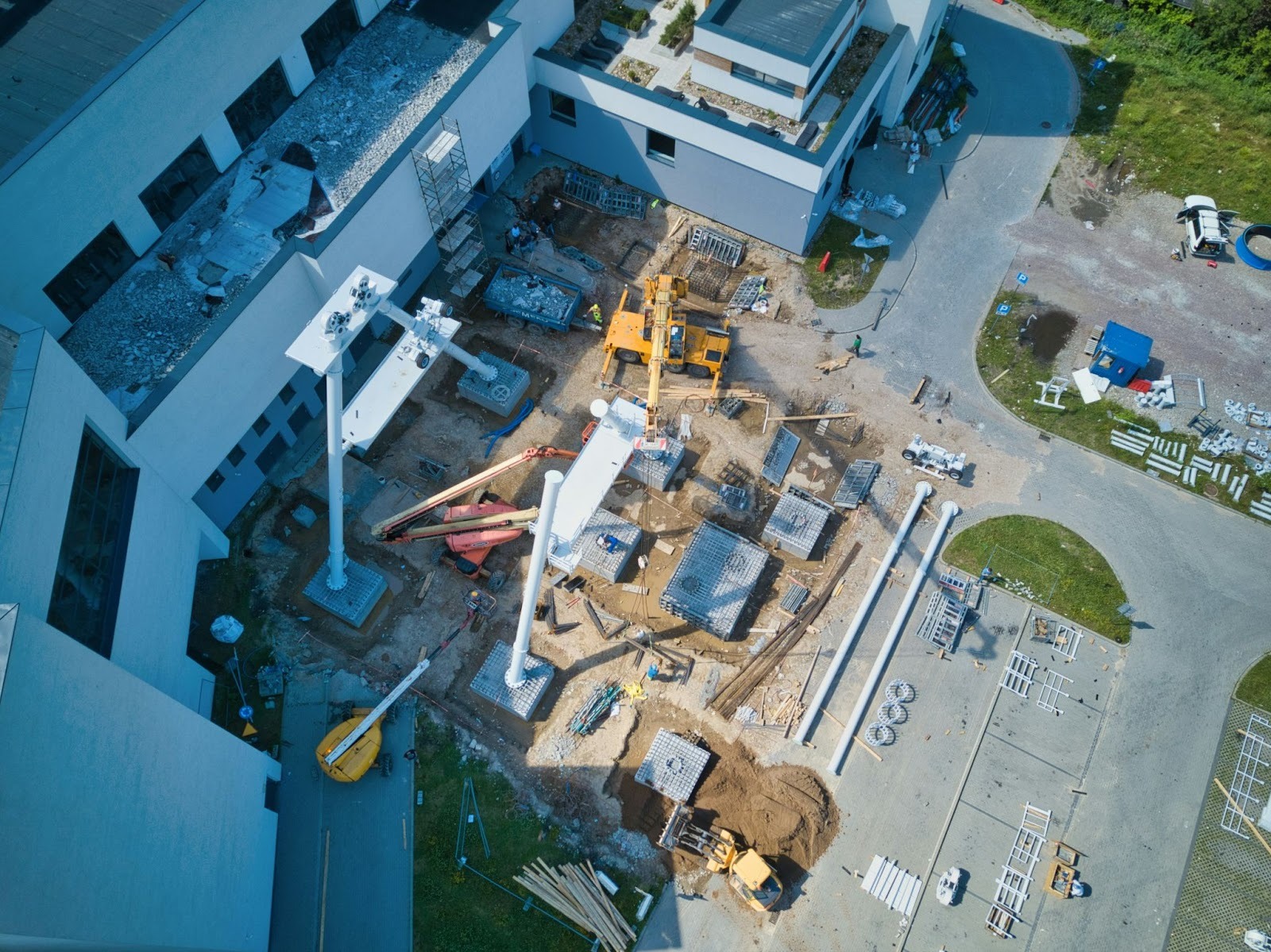
Among the most essential relationships in construction are those with technical and industrial specialists. These partners handle the mechanical systems that make buildings function.
Think about everything a modern commercial building requires beyond its basic structure. Plumbing systems. Ventilation networks. Fire suppression equipment. Elevator mechanisms. Industrial processing systems for manufacturing facilities. Each demands specialized knowledge.
Mechanical and engineering companies serve as crucial partners for construction firms tackling complex projects. Their expertise spans the technical systems that transform empty structures into functional spaces.
These relationships work best when established early in project planning. Technical partners who join during design phases can identify potential issues before they become expensive problems. They can suggest alternatives that save money without sacrificing performance. They can ensure their systems integrate smoothly with other building components.
Contractors who treat technical partners as afterthoughts often regret it. Retrofitting mechanical systems into designs that did not anticipate them creates headaches for everyone involved.
What Makes Partnerships Work
Not all contractor relationships function equally well. Some partnerships produce seamless collaboration. Others generate friction that delays projects and inflates budgets.
Several factors distinguish successful partnerships from troubled ones.
Communication tops the list. Partners who share information freely catch problems early. Those who operate in silos discover conflicts only when correcting them becomes expensive.
Aligned incentives matter enormously. When all parties benefit from project success, cooperation comes naturally. When one partner profits from change orders or delays, trust erodes quickly.
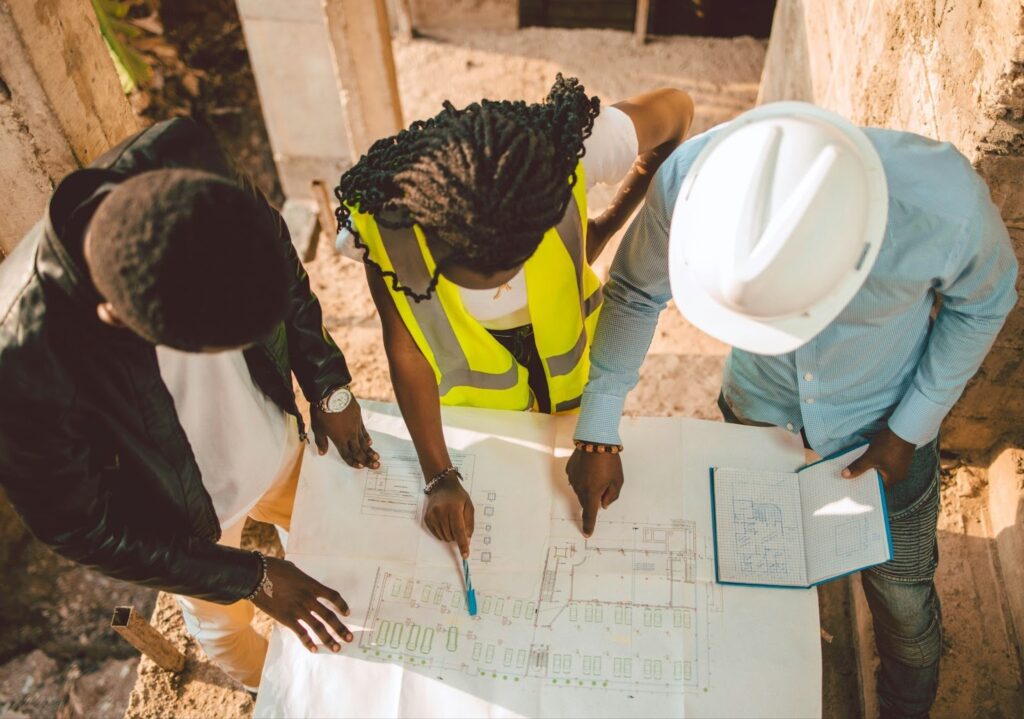
Mutual respect for expertise shapes daily interactions. The best partnerships feature genuine curiosity about what other specialists know. Contractors ask questions. Technical partners explain their constraints. Everyone learns.
Long-term relationships outperform transactional ones. Partners who expect to work together again invest in making current projects successful. They protect their reputation for reliability.
Choosing the Right Partners
For contractors evaluating potential partners, several considerations should guide decisions.
Track record speaks loudly. Companies with histories of successful project completions demonstrate capability more convincingly than any sales presentation. References from past clients reveal how partners perform when challenges arise.
Technical depth matters more than breadth. A partner who excels at their specialty adds more value than one who claims competence across too many areas. Genuine expertise requires focus.
Cultural fit affects daily collaboration. Partners whose values and work styles align with yours will integrate more smoothly into project teams. Those with conflicting approaches create friction regardless of technical ability.
Financial stability warrants investigation. Partners who struggle financially may cut corners, lose key personnel, or fail to complete their scope. Checking references and financial health protects against mid-project surprises.
Geographic capability should match project needs. Partners with strong local presence understand regional codes, maintain relationships with inspectors, and can respond quickly when issues arise.
Building Networks Before You Need Them
Smart contractors cultivate partner relationships continuously, not just when projects demand them. This proactive approach yields significant advantages.
Familiarity improves collaboration. Teams that have worked together before communicate more efficiently. They understand each other’s processes and expectations. They skip the learning curve that slows first-time partnerships.
Preferred partner status unlocks priority treatment. When trusted contractors call, good partners make room in their schedules. They assign their best personnel. They go further to ensure success.
Relationship depth enables honest conversations. Partners who trust each other share concerns openly. They raise problems early rather than hiding them until they become unavoidable. This transparency prevents small issues from becoming major crises.
The contractors who win consistently often credit their partner networks as key competitive advantages. They have spent years building relationships that competitors cannot quickly replicate.
The Future of Construction Collaboration
Several trends are reshaping how construction partnerships function.
Digital tools are improving coordination. Building information modeling allows partners to visualize conflicts before construction begins. Project management platforms keep everyone informed about schedules and changes. Mobile communication enables real-time problem solving.
Prefabrication is shifting work off-site. Partners increasingly manufacture components in controlled factory environments, then deliver them for installation. This approach improves quality and reduces on-site coordination complexity.
Sustainability requirements are creating new partnership needs. As buildings must meet stricter energy and environmental standards, specialists in green technologies become essential partners.
Labor shortages are intensifying reliance on trusted partners. When skilled workers are scarce, relationships with partners who maintain strong workforces become even more valuable.
Lessons for Project Success
The importance of partnership in construction offers several practical lessons.
Invest in relationships before you need them. The time to build your partner network is when you have no urgent deadline. Reach out to potential partners. Learn about their capabilities. Find opportunities to work together on smaller projects before betting major ones on untested relationships.
Communicate more than you think necessary. Most partnership failures trace back to communication breakdowns. Share information proactively. Confirm understanding explicitly. Create channels for raising concerns without blame.
Pay fairly and promptly. Partners who receive fair compensation and timely payment prioritize your projects. Those who feel squeezed or delayed will allocate their best resources elsewhere.
Learn from every project. After completion, gather feedback from partners. Understand what worked and what did not. Apply those lessons to future collaborations.
Recognize that your success depends on theirs. In construction partnerships, outcomes are intertwined. Helping partners succeed is not generosity. It is self-interest properly understood.
Building Better Together
The construction industry’s move toward specialization and partnership reflects a fundamental truth. Complex challenges benefit from diverse expertise working in coordination.
No contractor, regardless of size, can maintain world-class capability across every discipline modern projects require. The wisest recognize this limitation and build networks of partners who complement their strengths.
These relationships take time and effort to develop. They require ongoing investment to maintain. They demand mutual commitment to succeed together.
But contractors who master the art of partnership gain advantages that compound over time. They complete projects more successfully. They build reputations that attract both clients and partners. They create organizations capable of taking on increasingly ambitious work.
In an industry where outcomes depend on coordination, the ability to partner effectively may be the most valuable skill of all.