If you were driving a car for years without checking the oil, rotating the tires, or paying attention to strange noises, one day something is going to break. The repair bill hurts much more than the small maintenance steps would have.
Whether in a manufacturing plant or a commercial building, major failures usually don’t occur out of the blue. Small warning signs build quietly in the background. By the time the problem becomes impossible to ignore, repair costs could already be unavoidable.
Facility management involves creating systems that reduce risk before failures occur. Preventive maintenance programs help organizations protect equipment and support lasting reliability. The Occupational Safety and Health Administration (OSHA) emphasizes the importance of maintaining safe working environments through proactive measures.
Infrastructure decisions matter too. HVAC systems and even industrial piping and fittings solutions are important in supporting facility operations. The strongest facilities don’t succeed because they avoid problems completely. They succeed because they catch small issues before those issues become major failures.
Build an Inspection Routine
Waiting for equipment to fail creates expensive surprises. Preventive inspections help teams identify developing complications before they interrupt operations. There may be small abnormalities that indicate larger concerns developing behind the scenes.
Inspection routines work best when they follow documented processes instead of relying on memory. Standardized checklists create harmony across teams and shifts. Organizations that depend entirely on reactive maintenance frequently discover hidden costs associated with emergency repairs, production delays, and shortened equipment lifespans. The importance of preventive maintenance has been recognized across industries because planned oversight improves functional reliability while reducing avoidable failures. Educational institutions like Iowa State University Extension and Outreach discuss preventive maintenance principles that support equipment longevity and operational functionality.
Watch Small Infrastructure Problems
Major failures start as small infrastructure issues that receive little attention. Minor water intrusion can damage structural materials. Electrical hotspots signal overloaded systems. Small corrosion patterns signal larger deterioration beneath visible surfaces. Ignoring these early signals creates opportunities for larger operational problems to develop.
Facility managers benefit from establishing recurring evaluations of building infrastructure components, including mechanical systems, utility connections, and environmental controls. In industrial environments, infrastructure reliability extends into supporting systems that help move operational resources efficiently.
The National Institute of Standards and Technology (NIST) has published guidance on infrastructure resilience, along with risk management principles, as sustained reliability depends heavily on detecting vulnerabilities before they worsen.
Strengthen Maintenance Training
Most failures happen because organizations lose visibility into maintenance history. When maintenance records become inconsistent, teams overlook service intervals, repeated repair patterns, or recurring operational concerns. Documentation creates organizational memory. Without it, facilities can unknowingly repeat preventable mistakes.
Tracking systems help teams understand equipment performance over time. A motor that requires frequent adjustments indicates more extensive wear. Components with frequent failures may require replacement strategies instead of ongoing repairs. Data improves decision-making. The value of maintenance planning and asset management continues to receive attention in facility management education, as strong documentation facilitates reliability programs and operational steadiness.
Prioritize Training and Communication
Even the best checklist loses effectiveness if teams do not understand how to use it. Facility operations involve people making decisions every day. Clear communication helps ensure maintenance concerns move quickly from observation to action. Employees who recognize warning signs become valuable contributors to system dependability. Training should include more than emergency response measures. Teams benefit from understanding normal operating conditions, making abnormalities easier to identify. Consistent education helps departments better recognize problems.
Safety agencies consistently support the importance of workforce training because informed employees have a significant impact on hazard prevention and operational durability. Educational resources from the National Safety Council provide guidance on workplace safety awareness and risk-reduction practices.
Review Critical Systems
Emergency situations place organizations under pressure. Decision-making becomes harder when teams react without preparation. Facilities benefit from reviewing critical systems before operational breakdowns occur. Backup systems, emergency planning procedures, utility redundancy, equipment life cycles, and infrastructure vulnerabilities deserve periodic evaluation. Small preparation efforts can create major advantages in unexpected situations.
Facility managers who build proactive review processes frequently discover opportunities for improvement before risk grows. Reliability becomes part of operational culture rather than a response to failure.
Long-term infrastructure stability depends on preparation, visibility, and disciplined oversight. Facilities that invest in planning position themselves more effectively for changing business demands and surprising challenges.
Major facility failures rarely start as major problems. They usually start quietly. A neglected inspection or warning sign dismissed because operations appear normal are some examples of the chaos that starts small and then turns into something much bigger. Small issues accumulate until systems reach a breaking point. Strong facilities operate differently. They rely on preventive inspections. They document maintenance history carefully. They train employees to recognize concerns early. They review infrastructure proactively instead of reacting under pressure. Over time, those habits create stability, reliability, and operational confidence.
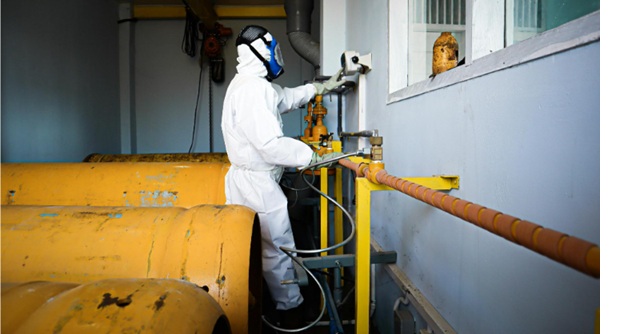
Source: https://www.pexels.com/photo/man-in-protective-clothing-working-with-pipes-17109813/