
Cladding Materials for Sustainable Architecture are no longer just about covering a building. In real projects like government buildings, schools, and commercial blocks, the façade directly affects building performance over time. Heat control, rain protection, fire safety, and maintenance are all linked to the outer envelope.
Engineers now treat cladding as a long-term performance system. Not just initial cost, but how the material behaves after 20–30 years in real site conditions, including energy loss, durability, and maintenance cycles.
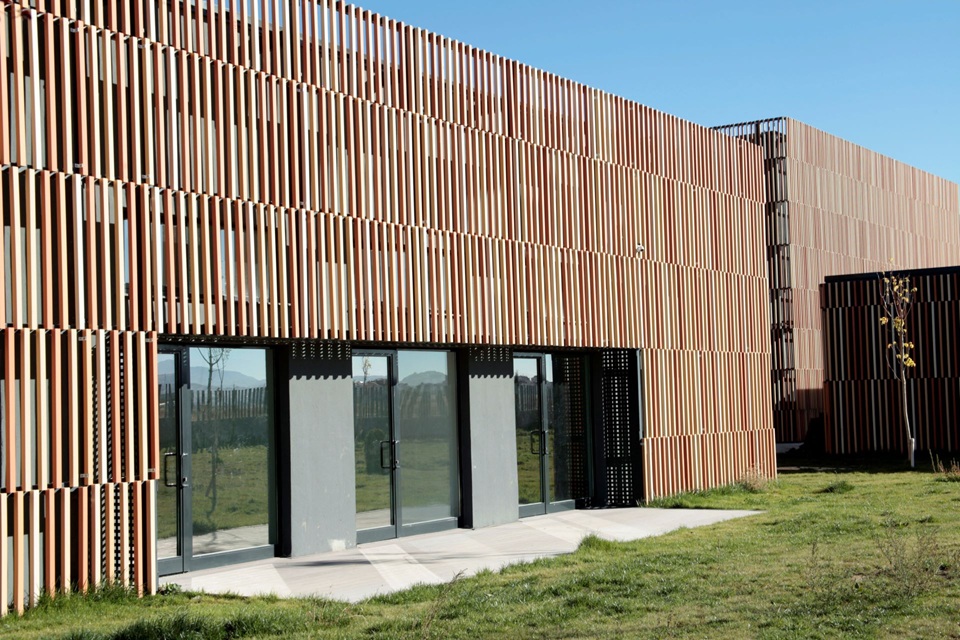
Timber-Based Cladding Systems in Practice
Timber cladding is used where low carbon material and natural finish are required. Untreated wood does not remain stable outdoors. It reacts to moisture, changes shape, and loses performance over time.
Engineered timber is used in residential buildings, institutional blocks, and retrofit projects where appearance and carbon targets matter.
- Acetylated timber improves moisture resistance and stability in exposed conditions
- Thermally modified wood suits façades with limited direct water exposure
- Furfurylated timber is used when higher surface hardness is required
- Works best in ventilated façade systems rather than direct wall fixing
- Common in mid-rise buildings with moderate to long service life
Timber is often preferred for easier handling on site, but joint detailing is critical for long-term performance.
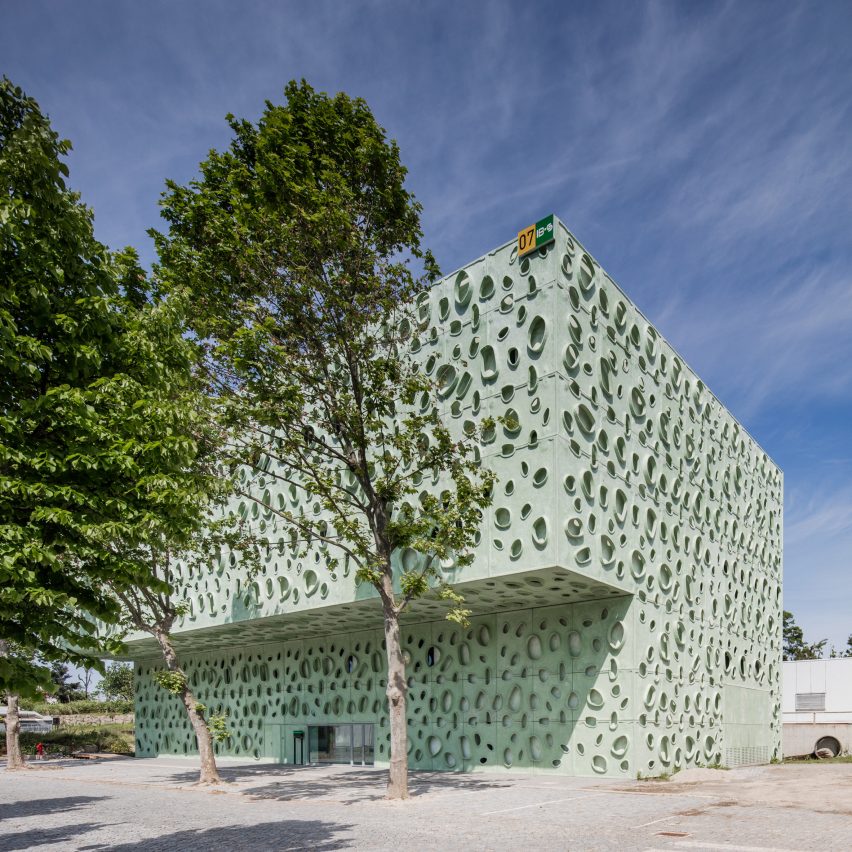
Metal Cladding: Aluminium and Zinc Systems
Metal cladding is widely used in commercial and public buildings where durability is important. Aluminium performance depends on recycled content. Zinc forms a protective layer that reduces long-term surface degradation.
| Material Type | Application | Service Life | Maintenance | Engineering Note |
| Recycled Aluminium Panels | Offices, airports | 30–50 years | Low cleaning | Carbon impact depends on recycled content |
| Aluminium Composite Panels (mineral core) | High-rise façades | 25–40 years | Low maintenance | Better fire performance than polymer core |
| Architectural Zinc | Civic buildings | 70–100 years | Minimal | Natural patina reduces degradation |
Aluminium is used for large façades where speed matters. Zinc is chosen for long service life with minimal upkeep.
Mineral-Based Cladding Systems
Mineral cladding is used in government and institutional projects due to stability under fire, moisture, and long exposure.
Terracotta uses ventilated cavities to control heat and moisture. Slate offers high durability but adds structural load. Fiber cement balances weight and installation flexibility.
| Material | Use Case | Fire Rating | Engineering Use |
| Terracotta | Schools, hospitals | A1 non-combustible | Works in ventilated façades |
| Natural Slate | Civic buildings | Fully non-combustible | Very long service life |
| Fiber Cement | Mid-rise buildings | Fire resistant | Lightweight and easy to install |
These systems are selected where fire safety and long-term stability are key requirements.
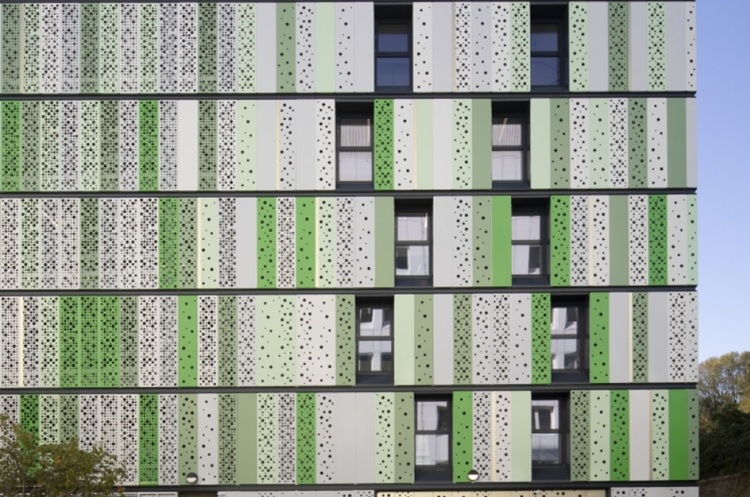
Thermal Performance in Cladding Design
Most cladding performance issues come from heat transfer through joints and fixings, not the material itself. Metal brackets create thermal bridges that reduce insulation efficiency.
Continuous insulation layers and thermal break detailing are used to control this. Ventilated façades also reduce heat buildup and moisture risk.
Actual wall performance depends more on system design than material choice alone.
Lifecycle and Compliance in Material Selection
Cladding selection depends on lifecycle data and compliance requirements. In projects, approval is based on documented long-term performance.
Key checks include:
- Embodied carbon through Environmental Product Declarations (EPDs)
- Maintenance cycles over 20–50 years
- Fire safety compliance with building codes
- End-of-life recyclability
- Alignment with LEED or BREEAM standards
Government projects now require verified lifecycle data before material approval.
What Really Matters in Cladding Selection
Cladding is not just a surface layer. It is part of the building’s performance system. In real projects, selection depends on how well the material handles long exposure, reduces maintenance, and stays stable under changing weather.
The right choice is usually the one that avoids frequent repair and maintains consistent building performance over its lifecycle.
Image Credit: dezeen.com, ies.group,






