
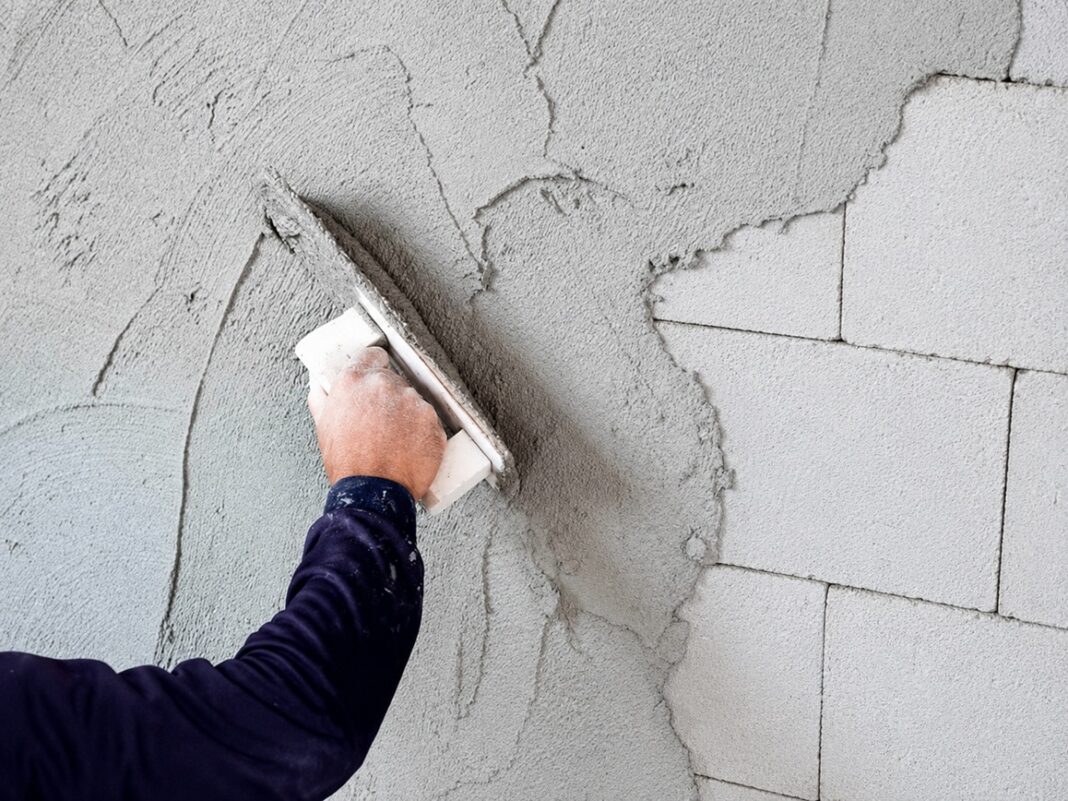
The rapid growth of modern construction technologies in India has increased the demand for efficient, durable, and cost-effective building materials. Among these innovations, AAC blocks and ready mix plaster have become highly preferred choices for residential, commercial, and infrastructure projects. When used together, they provide superior wall performance, faster construction, and long-term durability.
What Is AAC Block Ready Mix Plaster?
AAC block ready mix plaster is a factory-manufactured dry plaster mix specially formulated for application on AAC block walls. It typically consists of:
- Graded sand
- Cement
- Polymers
- Mineral additives
- Water-retaining agents
- Performance-enhancing chemicals
The material is supplied in pre-mixed bags and only requires water at the construction site before application.
Unlike traditional plaster prepared manually on-site, ready mix plaster maintains consistent quality and controlled proportions. It is specifically engineered to match the lightweight and porous nature of AAC blocks.
Understanding AAC Blocks
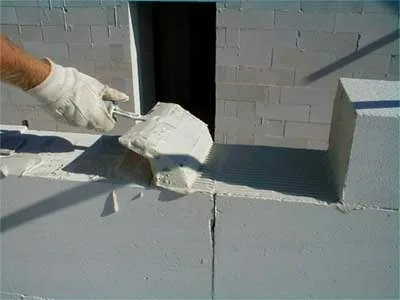
Autoclaved Aerated Concrete (AAC) blocks are lightweight precast building materials made from:
- Cement
- Lime
- Fly ash
- Water
- Aluminum powder
These blocks are manufactured through an autoclaving process that creates air pockets inside the material, making them lightweight yet structurally strong.
AAC blocks are widely used in India because they offer:
- Faster construction
- Better thermal insulation
- Lower dead load
- Fire resistance
- Sound insulation
- Eco-friendly construction
However, AAC blocks have high water absorption properties and smooth surfaces, which make ordinary plaster less effective. This is why specialized AAC block ready mix plaster is necessary.
Why AAC Blocks Need Special Ready Mix Plaster
Traditional cement-sand plaster often faces performance issues when applied on AAC block walls. Common problems include:
- Surface cracks
- Poor bonding
- Hollow patches
- Shrinkage
- Uneven finish
- Excessive water absorption
AAC block ready mix plaster is developed to overcome these issues through advanced additives and controlled composition.
Key Reasons for Specialized Plaster
1. High Water Absorption of AAC Blocks
AAC blocks absorb water rapidly. Conventional plaster loses moisture too quickly, resulting in weak bonding and cracks.
Ready mix plaster contains water-retention additives that maintain proper curing and adhesion.
2. Lightweight Structure Compatibility
AAC blocks are lightweight materials. Heavy traditional plaster can increase wall stress and create bonding problems.
AAC plaster is lightweight and compatible with the block structure.
3. Better Adhesion Requirements
AAC surfaces require higher bonding strength compared to clay bricks.
Polymer-modified ready mix plaster improves adhesion significantly.
4. Reduced Shrinkage
Improper plastering on AAC blocks often leads to shrinkage cracks.
Ready mix plaster minimizes shrinkage due to controlled composition and additives.
Composition of AAC Block Ready Mix Plaster
The quality and performance of AAC plaster depend on its ingredients.
Cement
Acts as the primary binding material and provides structural strength.
Graded Sand
Uniformly graded fine sand ensures smooth finishing and workability.
Polymers
Improve bonding, flexibility, crack resistance, and adhesion.
Mineral Additives
Enhance durability and reduce shrinkage.
Water Retention Agents
Maintain moisture during curing for better strength development.
Lightweight Fillers
Reduce the overall weight of the plaster and improve compatibility with AAC blocks.
Major Advantages of AAC Block Ready Mix Plaster
1. Superior Bond Strength
One of the biggest advantages is strong adhesion between plaster and AAC block surfaces. This reduces debonding and hollow patches.
2. Crack Resistance
The inclusion of polymers and additives helps prevent shrinkage cracks commonly seen with traditional plaster.
3. Faster Construction
Ready mix plaster eliminates the need for manual material proportioning and site mixing, reducing labor time and accelerating project completion.
4. Consistent Quality
Factory-controlled manufacturing ensures uniform quality across all batches.
5. Reduced Material Wastage
Since the mix is pre-designed, material wastage is significantly lower compared to conventional plaster.
6. Smooth Surface Finish
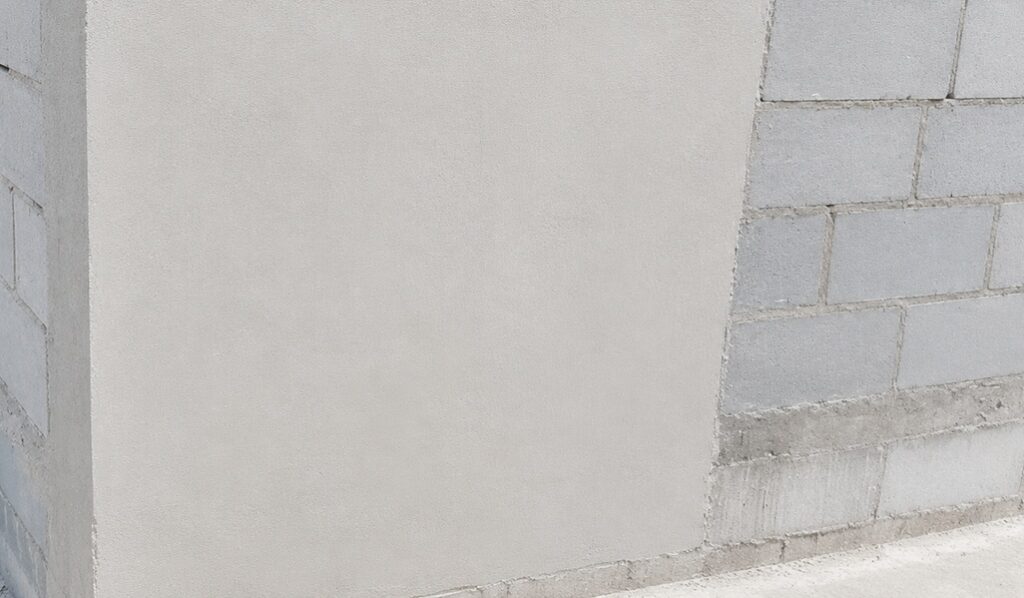
AAC ready mix plaster provides a smooth and even surface suitable for painting and decorative finishes.
7. Better Workability
The material spreads easily and improves application efficiency.
8. Lower Dead Load
Lightweight plaster contributes to reduced structural load, especially beneficial in high-rise buildings.
9. Improved Durability
Enhanced bonding and reduced cracking improve the lifespan of walls and finishes.
10. Cost Efficiency
Although the initial material cost may be slightly higher, overall project costs reduce due to:
- Lower labor requirement
- Faster execution
- Reduced rework
- Minimal wastage
- Better durability
Applications of AAC Block Ready Mix Plaster
AAC ready mix plaster is widely used across various construction sectors.
Residential Buildings
Used in apartments, villas, and housing projects for smooth and durable wall finishes.
Commercial Buildings
Ideal for office complexes, malls, hotels, and retail spaces.
High-Rise Construction
The lightweight nature supports high-rise applications by reducing structural load.
Industrial Buildings
Suitable for warehouses and industrial structures requiring durable wall systems.
Infrastructure Projects
Used in hospitals, educational institutions, airports, and public buildings.
Application Process of AAC Block Ready Mix Plaster
Proper application ensures maximum performance.
Step 1: Surface Preparation
- Clean the AAC block surface
- Remove dust and loose particles
- Wet the wall lightly before plastering
Step 2: Mixing
- Add the required amount of water
- Mix using a mechanical mixer for uniform consistency
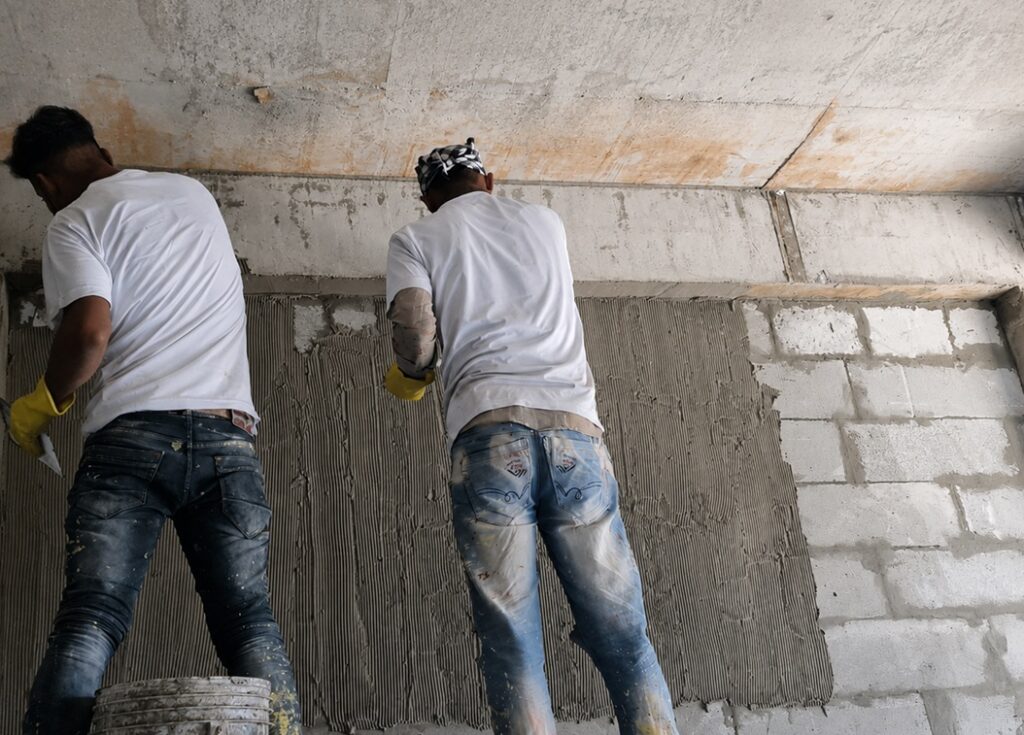
Step 3: Application
- Apply plaster manually or using spray machines
- Maintain recommended thickness
Step 4: Leveling
Use leveling tools to achieve a smooth and uniform surface.
Step 5: Curing
Proper curing improves strength and durability.
Recommended Thickness for AAC Plaster
Typical plaster thickness includes:
- Internal walls: 8–12 mm
- External walls: 12–15 mm
Thickness may vary depending on project requirements and manufacturer specifications.
AAC Ready Mix Plaster vs Traditional Plaster
| Feature | AAC Ready Mix Plaster | Traditional Cement Plaster |
| Quality Consistency | High | Variable |
| Bond Strength | Excellent | Moderate |
| Crack Resistance | High | Lower |
| Workability | Superior | Average |
| Wastage | Low | High |
| Construction Speed | Faster | Slower |
| Surface Finish | Smooth | Less uniform |
| Labor Requirement | Lower | Higher |
| Material Control | Factory controlled | Site dependent |
Growing Demand in India
India’s construction industry is rapidly adopting AAC blocks and ready mix plaster systems due to:
- Urbanization
- Demand for faster project completion
- Rising labor costs
- Focus on quality construction
- Green building initiatives
Developers increasingly prefer integrated AAC wall systems because they improve efficiency and reduce long-term maintenance.
Future of AAC Block Ready Mix Plaster
The future of AAC plaster in India looks highly promising. Innovations in dry mix technology, polymer modification, and machine application are expected to drive market growth further.
Emerging trends include:
- High-performance lightweight plasters
- Smart construction materials
- Sustainable dry mix solutions
- Automation in plaster application
- Enhanced waterproof and crack-resistant formulations
As the Indian construction sector continues to modernize, AAC block ready mix plaster is expected to become a standard material in both residential and commercial projects.
Conclusion
AAC block ready mix plaster has transformed modern wall finishing systems by offering better adhesion, crack resistance, faster application, and superior finish quality compared to traditional plaster. Specially designed for AAC blocks, this plaster solves common issues related to water absorption, shrinkage, and bonding. Its factory-controlled quality, reduced wastage, and improved efficiency make it a preferred choice for modern Indian construction.






