In the world of construction, manufacturing, fabrication, and industrial assembly, fasteners play an important role in ensuring structural strength, durability, and long-term reliability. Among the many types of fasteners available, self-drilling screws and self-tapping screws are two of the most widely used fastening solutions across multiple industries. Although these terms are often used interchangeably, they are not the same. Each type of screw has unique features, applications, advantages, and installation requirements.
Understanding the differences between self-drilling and self-tapping screws is essential for contractors, engineers, fabricators, installers, and maintenance professionals. Choosing the wrong fastener can lead to weak joints, damaged materials, increased installation time, or even structural failure.
What Are Self-Drilling Screws?
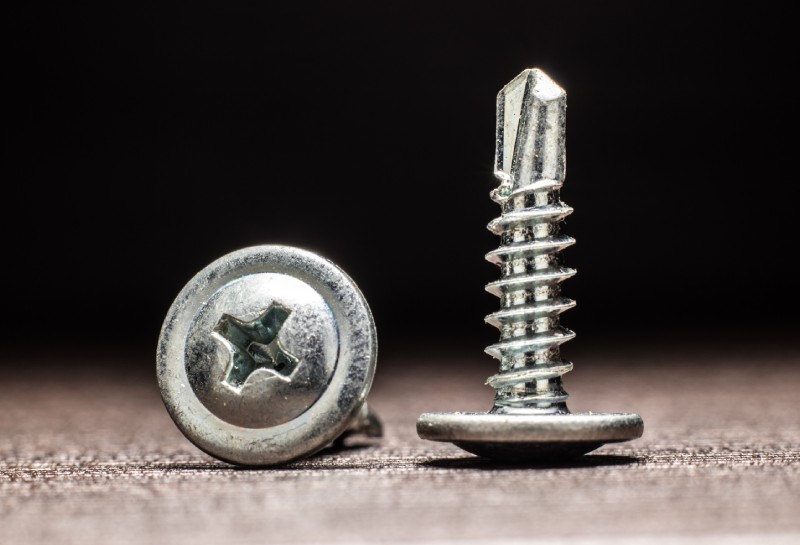
Self-drilling screws are fasteners designed with a drill-bit-like point that allows them to drill their own hole while being driven into the material. These screws eliminate the need for pre-drilling, making installation faster and more efficient.
The drill point at the tip acts like a miniature drill bit. As the screw rotates, it cuts through the material and creates its own hole before the threads engage and secure the fastener. This feature significantly reduces installation time and labor costs.
Self-drilling screws are commonly used in:
- Metal roofing systems
- Steel framing
- HVAC installations
- Industrial fabrication
- Cladding systems
- Pre-engineered buildings
- Structural steel applications
They are especially effective when fastening metal-to-metal or metal-to-wood connections.

Features of Self-Drilling Screws
1. Drill Point Design
The most distinctive feature of a self-drilling screw is its drill-shaped tip. The point is engineered to penetrate materials without requiring a pilot hole.
2. Threaded Body
After drilling the hole, the threaded portion follows behind and creates a secure fastening connection.
3. High-Speed Installation
Since drilling and fastening occur simultaneously, installation becomes faster and more productive.
4. Multiple Coating Options
Self-drilling screws are available with galvanized, zinc-coated, or corrosion-resistant finishes for outdoor and industrial environments.
5. Wide Range of Head Types
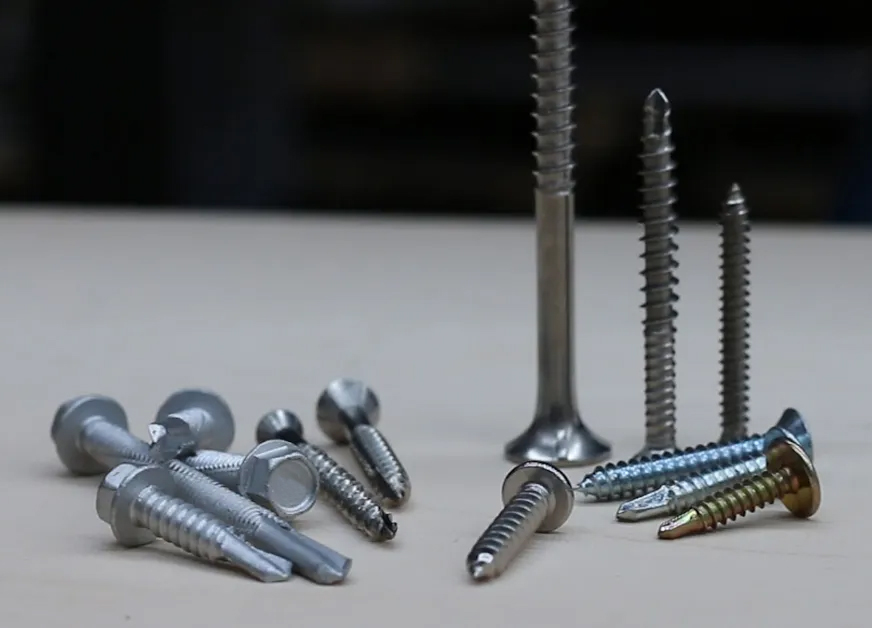
Common head styles include:
- Hex head
- Pan head
- Flat head
- Wafer head
- Truss head
Advantages of Self-Drilling Screws
Faster Installation
One of the biggest advantages is reduced installation time because there is no need for separate drilling operations.
Lower Labor Costs
Fewer installation steps mean improved labor efficiency and reduced project costs.
Better Productivity
Self-drilling screws are ideal for large-scale industrial and construction projects where speed is important.
Strong Metal Connections
These screws provide excellent holding power in steel and sheet metal applications.
Reduced Tool Requirements
Only a screw gun or drill driver is usually required.
What Are Self-Tapping Screws?
Self-tapping screws are screws designed to create threads inside a pre-drilled or pre-punched hole as they are installed. Unlike self-drilling screws, self-tapping screws do not drill their own hole in most applications.
The screw cuts or forms mating threads within the material, allowing secure fastening without the need for separate tapping tools.
Self-tapping screws are widely used in:
- Plastic assemblies
- Wood applications
- Thin sheet metal
- Electronics
- Automotive components
- Furniture manufacturing
- Electrical installations
Features of Self-Tapping Screws
Thread-Cutting Ability
The screw creates internal threads as it is driven into the material.
Sharp Point Design
Most self-tapping screws have a sharp or pointed tip that helps guide the screw into the pilot hole.
Multiple Thread Designs
They are available in:
- Fine threads
- Coarse threads
- Machine threads
- Sheet metal threads
Versatile Material Compatibility
Self-tapping screws work effectively in plastic, wood, metal, and composite materials.
Advantages of Self-Tapping Screws
Strong Thread Engagement
The threads created by the screw provide a secure and tight fit.
Reduced Assembly Time
Compared to traditional tapping methods, self-tapping screws simplify installation.
Easy Disassembly
These screws can often be removed and reinstalled without significant damage.
Wide Application Range
They are suitable for lightweight and medium-duty fastening applications.
Improved Precision
Pilot holes help improve alignment accuracy during installation.
Key Differences Between Self-Drilling and Self-Tapping Screws
Although both fasteners simplify installation, they differ significantly in design and function.
| Feature | Self-Drilling Screws | Self-Tapping Screws |
| Pilot Hole Required | No | Usually Yes |
| Tip Design | Drill-bit tip | Sharp pointed tip |
| Primary Function | Drills and fastens | Creates threads |
| Best For | Metal applications | Wood, plastic, thin metal |
| Installation Speed | Faster | Moderate |
| Tool Requirement | Drill driver | Drill + driver |
| Material Thickness | Medium to thick metal | Thin materials |
| Cost | Higher | Lower |
Applications of Self-Drilling Screws in Construction
- Metal roofing installation
- Steel structure connections
- Wall cladding systems
- HVAC duct fastening
- Pre-engineered buildings (PEB)
- Drywall and partition fixing
- Solar panel mounting structures
- Industrial metal fabrication

Applications of Self-Tapping Screws in Construction
- Wood and carpentry works
- PVC and plastic fittings
- Electrical panel installations
- False ceiling fixing
- Aluminum and light metal works
- Door and window frame assembly
- Modular construction systems
- Repair and maintenance works
Choosing the Right Screw
Selecting the correct screw depends on several important factors.
Material Type
Determine whether the application involves steel, wood, plastic, aluminum, or composite materials.
Material Thickness
Thicker metal typically requires self-drilling screws, while thinner materials may work well with self-tapping screws.
Environmental Conditions
Outdoor applications require corrosion-resistant coatings such as:
- Zinc plating
- Hot-dip galvanization
- Stainless steel finishes
Load Requirements
Structural applications demand higher-strength fasteners.
Installation Speed
Large projects with repetitive fastening often benefit from self-drilling screws.
Installation Best Practices
Use Proper Tools
Always use compatible drill drivers and torque settings.
Avoid Over-Tightening
Excessive torque can strip threads or damage materials.
Select Correct Screw Length
The screw should provide adequate penetration without excessive protrusion.
Match Drill Capacity
Self-drilling screws must be matched with the material thickness they are designed to penetrate.
Use Protective Coatings
In corrosive environments, coated or stainless-steel screws improve durability.
Common Mistakes to Avoid
Using Wrong Screw Type
Choosing self-tapping screws for thick steel can result in installation failure.
Incorrect Pilot Hole Size
Pilot holes that are too small or too large reduce holding strength.
Ignoring Corrosion Protection
Uncoated screws may rust quickly in outdoor environments.
Excessive Driving Speed
High-speed installation may damage threads or coatings.
Improper Torque Settings
Overdriving can weaken the fastening connection.
Future Trends in Fastener Technology
The fastener industry continues to evolve with advancements in:
- Corrosion-resistant coatings
- High-strength alloy materials
- Precision thread engineering
- Smart fastening systems
- Sustainable manufacturing methods
Modern construction and industrial projects increasingly demand fasteners that offer high performance, durability, and faster installation.
Conclusion
Self-drilling and self-tapping screws are essential fastening solutions used across construction, manufacturing, automotive, electrical, and industrial sectors. While both simplify installation and improve efficiency, they serve different purposes.
Understanding the differences between these two fasteners is important for selecting the right solution for specific applications. Proper fastener selection improves installation quality, enhances structural reliability, reduces maintenance issues, and increases overall project efficiency.
As infrastructure development and industrial manufacturing continue to expand, the demand for advanced fastening systems will continue to grow, making self-drilling and self-tapping screws indispensable components in modern engineering and construction practices.