
There are over 41,500 bridges in poor condition in the US, according to FHWA data, with some making road users wonder if they’re really safe on highways and local routes. In India, data from MoRTH surveys highlights that over 3,500 National Highway bridges are classified as distressed.
For commercial project teams, the takeaway is closer to home: decisions made before construction can shape a bridge’s performance for decades. This checklist follows the questions worth settling before drawings go out, from site access to the maintenance budget.
Site Access and Load Requirements
Who will use the bridge, and what needs to cross it? A footbridge serving shoppers may also need to accommodate a maintenance cart, emergency vehicle or occasional delivery.
Clearance matters on the ground and beneath the deck. The team also needs to understand how equipment and materials can reach the site without blocking neighboring businesses or damaging finished landscaping.
Research published in the Sustainability Journal compares footbridge concepts at an early design stage, including their structural and environmental performance. For owners, an early comparison can expose trade-offs before one layout becomes difficult to change.
Material Selection and Lifecycle Costs
Is the preferred material right for the setting and the owner’s long-term budget? Initial price is only part of the picture. Inspection, protective treatments, repairs and eventual replacement all belong in the conversation.
Timber can offer a warm appearance and design versatility for commercial settings, though its suitability depends on sourcing exposure, detailing and maintenance. If sustainability requirements are part of the brief, it may help to learn more about commercial development bridges and the project types where timber is used.
The go/no-go question is whether the material choice has been assessed against the site and lifecycle expectations, not just the rendering.
Geotechnical and Hydrology Findings
What’s underneath the proposed bridge, and how will water behave around it? Here are some quick facts:
- Soil conditions influence foundation design
- Drainage patterns and flood levels can affect clearances erosion protection and access
- Proper preconstruction testing is an absolute must
The performance and reliability of a bridge rests on how strong and stable its foundation is. That makes unresolved subsurface questions a poor thing to carry into final drawings.
As an example, Multnomah County in Oregon reported using test foundation work to check design calculations for its Burnside Bridge project. A commercial bridge may be smaller, but its team still needs geotechnical information suited to its site and proposed loads.
Permitting and Regulatory Approvals
Which approvals apply, and who’s responsible for obtaining them? The answer depends on the location, the work proposed and whether waterways, wetlands or other regulated areas are involved.
Accessibility, local planning requirements and floodplain rules may also affect the design. These aren’t details to leave until the week drawings are issued.
A U.S. Army Corps of Engineers project notice illustrates how a bridge project near a waterway can involve environmental review. For a commercial team, the key checkpoint is a clear permit list, alongside assigned responsibilities and an understanding of approval timing.
Stakeholder and Owner Sign-Offs
Has everyone who needs a say seen the same design assumptions? Owners, designers, property managers and neighboring tenants may care about different things, from appearance and access to operating costs.
A bridge that looks lovely on a plan can cause headaches if it interrupts a loading route or sits awkwardly beside a future building entrance. Confirming those interfaces early gives reviewers something concrete to approve.
Before drawings leave the team, there should be a record of decisions and any open items. A verbal “looks good” can get fuzzy surprisingly fast.
Budget and Contingency Planning
Does the estimate reflect the whole project, not just the bridge itself? Foundations, site preparation, delivery, installation and restoration can change the financial picture.
The team also needs to identify what remains uncertain. Difficult ground, limited access or a longer approval process may affect costs, so the contingency should reflect the risks rather than serve as a random cushion.
An owner can then decide whether the design fits the available budget or needs another pass before issuing drawings.
Construction Sequencing and Scheduling
Can the bridge actually be built in the order shown on the schedule? A neat set of plans won’t solve a site that’s inaccessible when equipment arrives.
Access During Construction
The team should understand when crews can enter, where materials can be staged and how nearby businesses will keep operating. A delivery route that works on a quiet Sunday may look very different during weekday traffic.
Dependencies and Lead Times
Foundation work, permits and material delivery all have to line up before installation. If one depends on information that hasn’t been confirmed, the schedule needs to show that uncertainty rather than hide it.
Maintenance Expectations
Who will own the bridge after opening, and what will they need to keep it in good shape? Inspection access, drainage, cleaning and repair procedures should be considered while details are still being settled.
Maintenance expectations also help shape material decisions. A finish that suits the design but demands more upkeep than the owner can provide may not be the bargain it first appears to be.
Your Commercial Bridge Preconstruction Checklist in Practice
A commercial bridge preconstruction checklist brings the big questions into one conversation before drawings become commitments. Site conditions, approvals, budget and maintenance all deserve a clear answer, or a clearly assigned next step. If you found this article helpful, explore related posts on bridge and commercial construction planning on the blog.
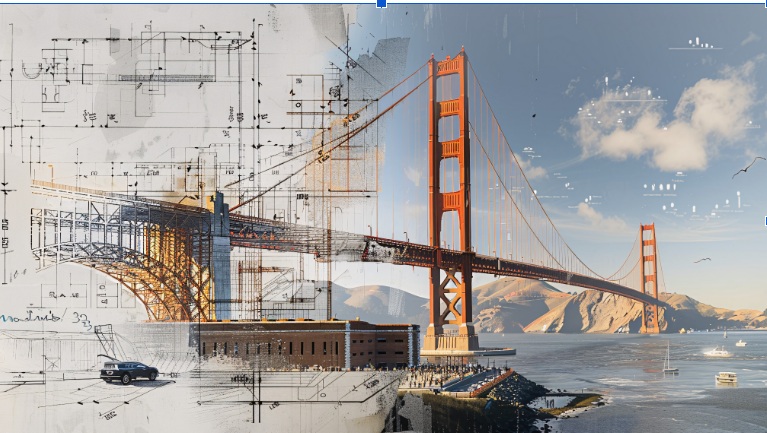
Img Source :Pixabay.com royalty-free image #8806902, uploaded by user TyliJura, retrieved from https://pixabay.com/illustrations/blueprint-bridge-architectural-8806902/ on November 20th, 2026. – image is licensed under Creative Commons CC0 license






