
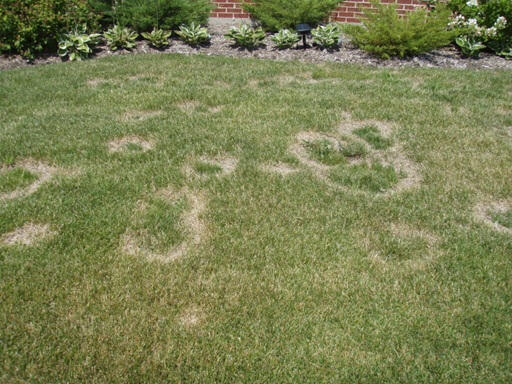
When a lawn starts looking a little tired, most homeowners reach for the hosepipe. It seems logical. Grass is a plant, and plants need water, so more water should mean a greener lawn, right? Not exactly!
In reality, many UK lawns suffer from the exact opposite problem. They receive far more water than they actually need. Between regular rainfall and heavy clay soils, most lawns rarely experience the kind of drought that requires constant watering.
The healthiest lawns are not necessarily the wettest. They are the ones with the right balance of moisture, air, and healthy root development.
When Your Lawn Is Crying Out for Less Water
Overwatering often disguises itself as other lawn problems, which is why it is frequently overlooked.
Many people assume yellow grass means a lack of nutrients or insufficient watering. In some cases, the grass is actually struggling because its roots are sitting in waterlogged soil.
Common warning signs include:
- Yellowing or pale grass
- Soft, squelchy ground underfoot
- Persistent puddles after watering
- Excessive moss growth
- Increased weed activity
- Fungus or mushroom development
- A stale or damp smell from the soil
If your lawn feels more like a sponge than a garden surface, excess water could be the culprit.
A simple test is to walk across the lawn after watering. If your footprints remain visible or water rises around your shoes, the soil is holding more moisture than it can comfortably handle.
Too Much Water Starves Grass of Oxygen
One of the biggest misconceptions about lawn care is that roots only need water. But the truth is that healthy roots need oxygen just as much.
When soil becomes saturated, air pockets disappear. Without access to oxygen, roots begin to weaken and struggle to absorb nutrients. Over time, they become shallow and less resilient.
This creates a vicious cycle. The weaker the root system becomes, the more dependent the lawn is on frequent watering. Instead of developing deep roots that can withstand dry spells, the grass remains fragile and vulnerable.
The moral of this story is that a lawn with deep, healthy roots can often cope with short periods of dry weather far better than a lawn that has been constantly watered.
Why Overwatered Lawns Attract Problems
Think of excess moisture as an open invitation to unwanted guests. Many lawn diseases thrive in damp conditions. Fungal infections such as red thread and fusarium patch become more common when moisture levels are consistently high.
Moss also loves wet, compacted environments. While moss is often blamed on shade, excessive moisture is frequently a major contributing factor.
Weeds can benefit too. Certain invasive species thrive in persistently damp soil, allowing them to outcompete healthy grass and spread quickly across the lawn.
Before long, what began as an attempt to improve your lawn can create a long list of maintenance headaches.
How Often Should You Water a UK Lawn?
The answer may surprise you.
In most parts of the UK, established lawns need very little supplemental watering outside prolonged periods of hot, dry weather.
Rather than following a strict schedule, pay attention to the condition of the lawn and the weather forecast.
Ask yourself:
- Has it rained recently?
- Is the soil still damp below the surface?
- Is the grass showing signs of genuine drought stress?
- Are temperatures unusually high?
A good rule of thumb is to water deeply and infrequently rather than little and often. This encourages roots to grow deeper into the soil where moisture remains available for longer.
Frequent shallow watering trains roots to stay near the surface, making the lawn more vulnerable during dry periods.
The Best Time to Water Grass in the UK
Timing matters almost as much as the amount of water used. Early morning is generally considered the best time to water a lawn. Cooler temperatures allow moisture to soak into the soil before the heat of the day dries it up.
Late evening is often suggested as an alternative, but it can leave the grass damp overnight. This is not optimal, since extended leaf moisture creates ideal conditions for fungal diseases.
Whenever possible, aim for early morning watering. This way, your lawn will receive the moisture it needs, without spending hours sitting wet.
Smarter Ways to Keep Your Lawn Hydrated
Good lawn care is not about using more water. It is about using water more efficiently.
Make the Most of Rainwater
The UK receives plenty of rainfall throughout the year, so it makes sense to put some of it to work.
Installing a water butt beneath a downpipe allows you to collect rainwater for future use. Not only can this reduce water bills, but plants and lawns often respond well to naturally collected rainwater.
During summer dry spells, having stored water available can be surprisingly useful.
Consider Drip Irrigation for Problem Areas
While drip irrigation is more commonly associated with flower beds and vegetable gardens, it can help manage moisture levels in targeted areas of larger landscapes.
Because water is delivered slowly and directly where it is needed, there is far less waste compared with sprinklers.
This approach can be particularly beneficial for newly seeded areas or ornamental planting around the lawn.
Aeration Is Your Secret Weapon Against Waterlogging
If overwatering has already compacted your lawn, aeration can make a remarkable difference. It creates small holes throughout the soil, allowing water, air, and nutrients to move more freely beneath the surface.
The process helps break up compaction, improves drainage, and encourages stronger root growth. Most UK lawns benefit from annual aeration, particularly those with heavy clay soils or high foot traffic.
Then again, Autumn is often considered the ideal time, although spring can also produce excellent results.
Many homeowners are surprised by how much healthier their lawns become after improving airflow beneath the surface.
When It Might Be Time to Call the Professionals
If your lawn remains soggy despite reducing watering, the issue may extend beyond simple overwatering.
Compacted soil, poor drainage, underlying disease, or thatch build-up can all contribute to persistent lawn problems. In these situations, professional assessment can save considerable time and money compared with trial-and-error treatments.
A specialist providing lawn care services can identify the root cause and recommend appropriate drainage or aeration solutions. They will also give you proper lawn care advice to keep the grass healthy.
Sometimes the problem is not how much water you are applying. It is how effectively your lawn is able to use it.
Conclusion
The irony of lawn care is that the biggest threat to a lush green lawn is often too much kindness. A healthy lawn is not the one receiving the most water. It is the one receiving the right amount.
You just need to pay attention to your lawn’s actual needs and water it with purpose rather than habit to enjoy a greener garden year-round.
And if your lawn seems difficult to manage, professional gardeners can uncover the real issue and put your grass back on the path to good health.






