
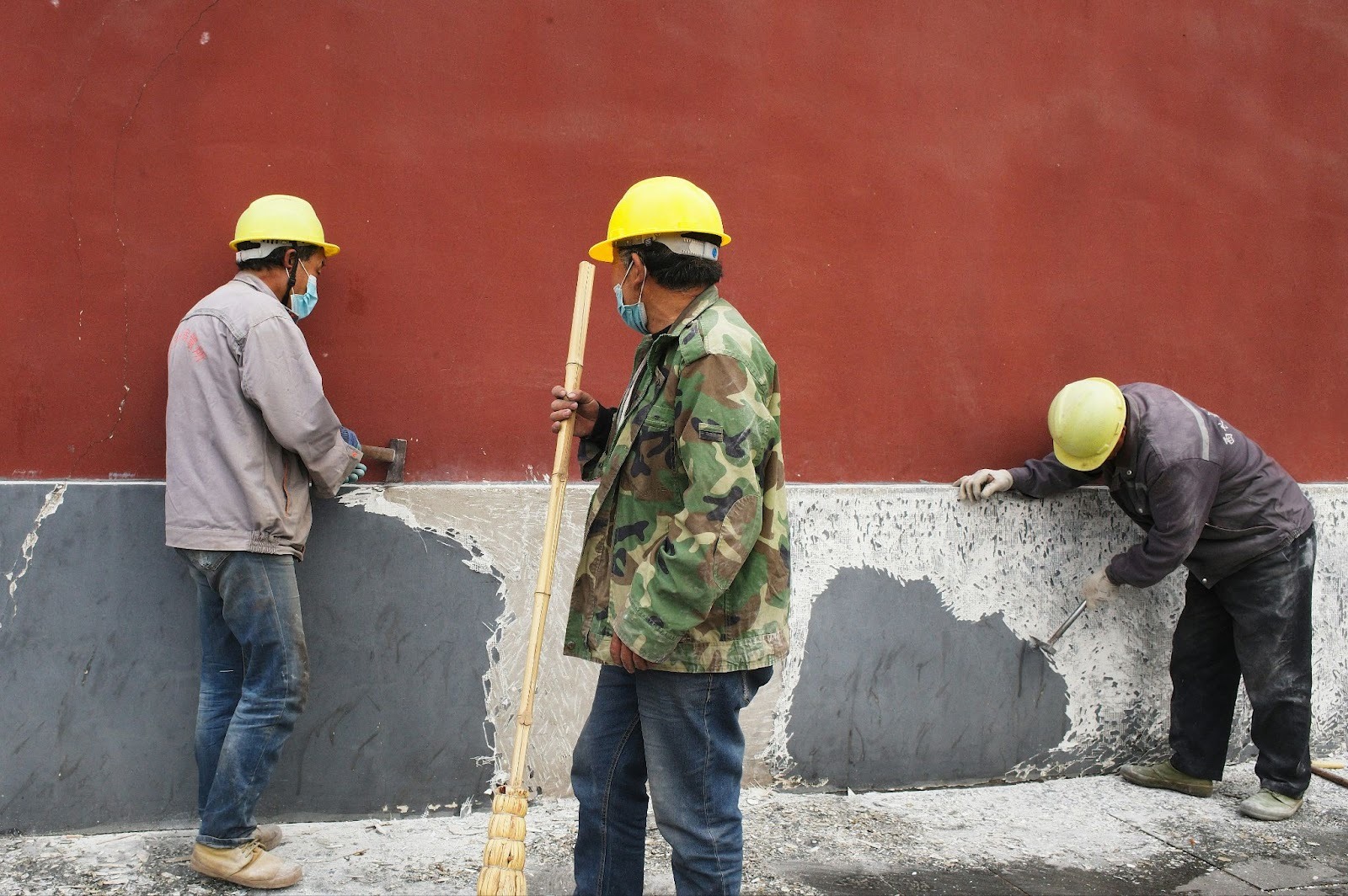
Construction sites are high-pressure environments. Tight deadlines, physical demands, weather delays, and the constant coordination between multiple trades create a perfect storm for interpersonal friction. When you add budget pressures and client expectations into the mix, it’s no wonder that conflicts emerge even among the most professional teams.
For project managers, site supervisors, and construction business owners, handling these tensions effectively is just as important as managing timelines and budgets. In fact, how you deal with conflict often determines whether a project finishes smoothly or becomes a case study in what can go wrong.
This article explores practical strategies for preventing and managing workplace tensions in construction settings, helping you protect both your projects and your people.
Why Construction Sites Are Conflict Hotspots
Before diving into solutions, it’s worth understanding why construction environments generate so much friction. Recognizing the root causes helps you address issues before they escalate.
Multiple contractors, competing priorities. On any given site, you might have electricians, plumbers, carpenters, concrete crews, and dozens of other specialists all trying to complete their work. When one trade’s schedule slips, it creates a domino effect that frustrates everyone downstream.
Physical and mental fatigue. Construction work is demanding. Long hours, early starts, extreme temperatures, and physically taxing labor all contribute to shorter tempers and reduced patience.
Communication gaps. Information flows through many channels on construction sites, from architects to project managers to foremen to workers. Messages get lost, misinterpreted, or delayed, leading to costly mistakes and finger-pointing.
Financial pressures. Subcontractors worried about payment, workers concerned about job security, and principals stressed about margins all bring their anxieties to the job site.
Safety stakes. When safety is on the line, emotions run high. Disagreements about procedures or risk assessments can become heated quickly because the consequences feel so significant.
Understanding these pressures helps you approach conflicts with empathy rather than frustration. Most workplace tensions in construction aren’t about bad people. They’re about good people under enormous pressure.
Prevention: Building a Culture That Minimizes Conflict
The best conflict management happens before conflicts arise. Investing in prevention saves enormous time, money, and stress compared to dealing with full-blown disputes.
Clear Communication Protocols
Establish explicit channels for different types of information. Who needs to know about schedule changes? How should safety concerns be raised? What’s the process for flagging potential delays?
Document these protocols and review them during site inductions. When everyone understands how information should flow, fewer misunderstandings occur.
Regular Coordination Meetings
Brief daily or weekly meetings where all trades can raise concerns and coordinate work prevent many conflicts. These sessions give people a forum to voice frustrations early, before they become serious grievances.
Keep these meetings focused and efficient. Nobody wants to stand around for an hour when they have work to do. But fifteen minutes of structured communication can save hours of conflict later.
Defined Responsibilities and Boundaries
Many construction disputes stem from ambiguity about who’s responsible for what. When scopes of work overlap or gaps exist between contracts, friction follows.
Take time at project kickoff to clarify boundaries between trades. Address grey areas proactively rather than waiting for disputes to surface.
Fair Treatment and Respect
It sounds basic, but treating all workers and contractors with respect goes a long way toward preventing conflict. When people feel valued and fairly treated, they’re more likely to extend that courtesy to others.
This includes prompt payment, reasonable scheduling, adequate facilities, and genuine appreciation for good work. Small investments in worker welfare pay significant dividends in workplace harmony.
When Prevention Isn’t Enough: Managing Active Conflicts
Despite your best efforts, conflicts will still arise. How you respond in these moments determines whether issues get resolved quickly or spiral into major problems.
Act Early
The biggest mistake managers make is waiting too long to intervene. Small irritations that could be addressed with a quick conversation become entrenched disputes when left to fester.
Watch for warning signs: workers avoiding each other, complaints reaching you through indirect channels, decreased cooperation between teams, or tension that’s visible to everyone on site.
When you spot these signals, act promptly. A brief, private conversation with the involved parties often resolves issues before they escalate.
Listen Before Judging
When addressing conflicts, resist the urge to immediately assign blame or impose solutions. Start by understanding each party’s perspective.
Ask open-ended questions: What happened? How did that affect you? What outcome would work for you? Often, people just need to feel heard before they can move toward resolution.
Focus on Interests, Not Positions
Parties in conflict often stake out rigid positions: “They need to apologize,” or “That trade needs to stay out of our way.” These positions can seem incompatible.
But underneath positions lie interests, the underlying needs and concerns driving the conflict. One party might want respect. Another might need schedule certainty. A third might be worried about blame for delays.
When you shift conversations from positions to interests, creative solutions often emerge.
Know When to Escalate
Some conflicts exceed what site-level management can effectively handle. Disputes involving allegations of harassment or discrimination, conflicts between companies rather than individuals, or situations where significant money is at stake may require professional intervention.
For Australian construction businesses facing serious workplace tensions, engaging professional workplace dispute resolution services provides the expertise and neutrality needed to reach fair outcomes. External professionals bring credibility that internal managers sometimes lack, and their specialized training equips them to handle complex interpersonal dynamics.
Recognizing when you need help isn’t a failure of management. It’s smart leadership. The cost of professional support is typically far less than the cost of prolonged conflict, whether measured in project delays, legal exposure, or lost personnel.

Documentation: Protecting Yourself and Your Project
Throughout any conflict, documentation matters. Good records protect everyone and provide clarity if disputes later require formal resolution.
What to Document
Keep records of incidents that occur, including dates, times, locations, and people involved. Note the substance of complaints raised and your response to them. Track any agreements reached and follow-up actions taken.
Email confirmations of verbal discussions create useful paper trails. After important conversations, send a brief email summarizing what was discussed and agreed.
Privacy Considerations
While documentation is important, respect privacy. Conflict records should be confidential and shared only with those who genuinely need access. Gossip about workplace disputes damages trust and can escalate tensions.
Retention and Storage
Keep conflict documentation in secure locations with appropriate access controls. Consult with legal advisors about retention requirements, as some records may need to be preserved for extended periods.
Learning from Conflicts
Every conflict, once resolved, offers learning opportunities. Taking time to reflect on what happened and why helps prevent similar issues in future.
After-Action Reviews
Once tensions have settled, consider what systemic factors contributed to the conflict. Were there communication failures? Unclear responsibilities? Resource constraints? Identifying root causes enables process improvements.
Sharing Lessons
Without breaching confidentiality, share general lessons with your broader team. If a particular type of miscommunication caused problems, address it in toolbox talks or site meetings.
Policy Updates
If conflicts reveal gaps in your policies or procedures, update them. Perhaps your subcontractor agreements need clearer dispute resolution clauses. Maybe your site induction should cover conflict reporting processes.
Building Long-Term Resilience
Construction businesses that handle conflict well develop significant competitive advantages. They retain skilled workers who appreciate professional work environments. They maintain better relationships with subcontractors, leading to more reliable partnerships. They avoid the project delays and legal costs that plague companies where tensions go unmanaged.
Investing in conflict management capability pays returns across your entire operation.
This means training supervisors in basic conflict resolution skills, establishing clear policies for raising and addressing concerns, and building relationships with external professionals who can assist when needed.
Conclusion
Workplace conflict in construction is inevitable given the pressures of the industry. But destructive disputes that derail projects and damage relationships are not inevitable. With proactive prevention, early intervention, and appropriate escalation when needed, construction businesses can maintain productive, respectful work environments even under significant pressure.
The effort you invest in managing conflict well protects your projects, your people, and your reputation. In an industry where relationships and reliability matter enormously, that’s an investment worth making.






