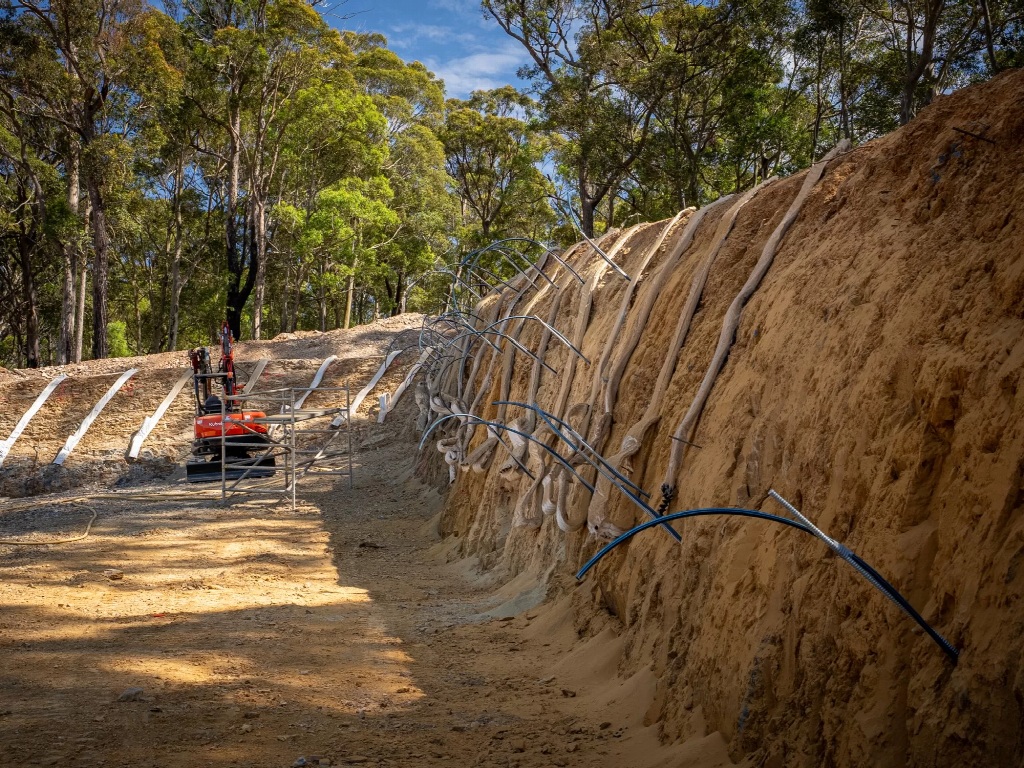
Every successful building begins with a foundation that can safely support its weight for decades to come. Whether constructing a residential home, commercial development, or large infrastructure project, the stability of the structure depends on how effectively loads are transferred into the ground. Companies offering Expert Concrete piling Sydney Elite Piling understand that concrete piling plays a vital role in creating durable foundations capable of performing under a wide range of site conditions.
Concrete piling is commonly used when surface soils cannot adequately support a building on their own. By extending deep into stronger ground or rock, concrete piles provide reliable structural support that helps reduce movement and maintain long-term stability throughout the life of the building.
Concrete Piling Transfers Structural Loads Safely
One of the primary functions of concrete piling is to transfer the weight of a structure from weaker surface soils to stronger layers located deeper underground. This helps distribute structural loads more effectively while reducing pressure on unstable ground. By supporting the building from below, concrete piles provide a stable base that allows the structure to perform as intended over many years. Proper load transfer is one of the most important principles of foundation engineering.
Benefits of concrete piling include:
- Improved structural support
- Better load distribution
- Reduced foundation movement
- Greater long-term stability
- Reliable performance on difficult sites
Strong foundations begin with effective load management.
Ground Conditions Influence Foundation Design
Every construction site has unique ground conditions that affect how foundations should be designed. Soil type, groundwater levels, rock depth, and previous site activity all influence the most appropriate piling solution. Before construction begins, engineers often carry out geotechnical investigations to better understand the site’s characteristics. These assessments help determine the required pile depth, size, spacing, and installation method.
Accurate site information supports safe engineering decisions throughout the project. Understanding the ground beneath the building is essential for long-term performance. Proper planning starts below the surface.
Concrete Piling Helps Reduce Foundation Settlement
All buildings place pressure on the ground beneath them. Without adequate foundation support, uneven settlement may occur, leading to cracking, structural movement, and maintenance issues over time. Concrete piling reduces the likelihood of excessive settlement by transferring loads to stronger bearing layers below the surface. Stable foundations help protect the integrity of the completed structure while reducing future repair requirements.
Factors affecting settlement include:
- Soil strength
- Building weight
- Moisture conditions
- Foundation depth
- Ground stability
Managing these factors supports safer and more reliable construction.
Concrete Piles Suit Many Types of Construction
Concrete piling is widely used across a broad range of construction projects because it can provide dependable support for many different structural requirements. Residential homes, apartment buildings, commercial developments, bridges, retaining walls, and industrial facilities may all benefit from piling solutions. The versatility of concrete piling allows engineers to design foundations that match the specific needs of each project. Different pile sizes and installation methods can be selected according to site conditions and anticipated structural loads.
Carefully selected piling systems improve construction efficiency while supporting long-term building performance. Every project requires an individual engineering approach. Flexible foundation solutions support diverse construction needs.
Professional Installation Supports Quality Outcomes
Even the most carefully designed foundation requires proper installation to achieve its intended performance. Concrete piling involves specialised equipment, skilled operators, and close attention to engineering specifications throughout construction. Professional installation helps ensure piles are constructed to the required depth, alignment, and quality standards. Careful workmanship reduces the likelihood of defects that could affect foundation performance later.
Professional piling projects commonly involve:
- Site preparation
- Accurate pile positioning
- Reinforcement placement
- Concrete installation
- Quality inspections
Attention to detail throughout installation supports dependable results.
Strong Foundations Improve Long-Term Building Performance
The quality of a building’s foundation continues to influence its performance long after construction has finished. Stable foundations help minimise movement while protecting walls, floors, services, and structural elements from unnecessary stress. Reliable piling systems also contribute to the long-term durability of buildings by maintaining structural integrity under normal operating conditions. Investing in quality foundations supports the lifespan of the entire structure.
Strong foundations provide confidence for property owners, builders, and future occupants alike. Long-term stability begins with sound engineering decisions. Reliable construction starts below ground.
Early Foundation Planning Supports Successful Projects
Foundation decisions made during the planning stage often influence the success of the entire construction project. Early collaboration between engineers, geotechnical consultants, builders, and piling specialists helps ensure foundation requirements are identified before construction begins. Careful planning reduces unexpected delays, improves construction sequencing, and supports efficient project delivery. Addressing site-specific challenges early also helps minimise costly design changes during construction.
Well-coordinated planning contributes to safer, smoother, and more successful building projects. A proactive approach benefits every stage of development. Strong foundations are the result of careful preparation.
Conclusion
Concrete piling is an essential part of modern construction because it provides the stable foundations needed to support buildings safely over the long term. By transferring structural loads to stronger ground, reducing settlement, and accommodating a wide range of site conditions, concrete piles play a critical role in the performance of residential, commercial, and infrastructure projects.
Professional design, accurate site assessment, and quality installation all contribute to successful piling outcomes. Every project benefits from a foundation solution that reflects its specific engineering requirements and ground conditions. As construction continues to evolve, concrete piling remains one of the most reliable methods for creating durable foundations that support safe, stable, and long-lasting structures.