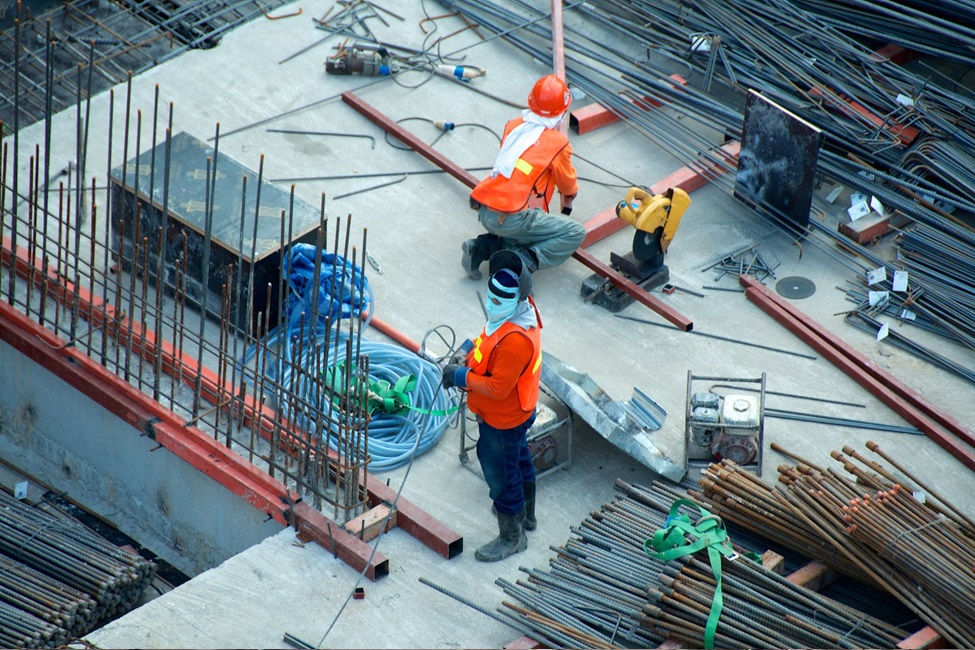
Managing a construction site means coordinating workers, subcontractors, materials, equipment, deliveries, and deadlines while keeping the project moving according to plan. Even relatively small delays can affect several stages of construction, which is why organization is essential. Site managers also need to consider the practical requirements of workers across different tasks, from tools and equipment to PPE and hard hat accessories appropriate to the work environment.
Start Every Project With a Clear Plan
Good site management begins before workers arrive.
The project schedule should identify major stages of construction and how different trades depend on one another.
For example, certain electrical and plumbing work may need to be completed before walls can be closed.
A clear plan helps everyone understand:
- What needs to happen
- Who is responsible
- When work should begin
- Which tasks must be completed first
This reduces confusion once several trades are working simultaneously.
Create a Site Layout
Construction sites become difficult to manage when there is no clear system for where things belong.
Before major work begins, decide where to locate:
- Material storage
- Equipment
- Waste containers
- Deliveries
- Worker facilities
- Vehicle access
Frequently used routes should remain as clear as possible.
A good site layout can reduce unnecessary movement and prevent workers from repeatedly relocating materials.
Coordinate Material Deliveries
Materials arriving too early can create storage problems.
Materials arriving too late can stop work completely.
Coordinate deliveries with the construction schedule so materials arrive reasonably close to when they’re needed.
Keep track of important orders, including:
- Concrete
- Timber
- Roofing materials
- Windows
- Doors
- Flooring
- Fixtures
Products with long lead times should be identified early in the project.
Communicate With Every Trade
Construction projects often involve numerous specialist contractors.
Depending on the project, these may include:
- Carpenters
- Electricians
- Plumbers
- Roofers
- HVAC technicians
- Concrete contractors
- Painters
Regular communication helps prevent one team from accidentally interfering with another team’s work.
Make sure everyone understands current priorities and any recent changes to the project.
Keep the Site Organized
A construction site naturally produces waste, packaging, offcuts, and unused materials.
Without regular cleanup, these can quickly consume valuable workspace.
Establish designated areas for different types of materials and waste.
Encourage workers to return tools and equipment to appropriate locations rather than leaving them scattered around the site.
Organization also makes it easier to identify when supplies are running low.
Monitor Progress Against the Schedule
A construction schedule shouldn’t be created and then forgotten.
Review progress regularly.
Ask:
- Are important milestones being completed?
- Is one trade falling behind?
- Are materials available for upcoming work?
- Have weather conditions affected the schedule?
- Does another contractor need to be rescheduled?
Identifying delays early provides more opportunities to adjust the plan.
Prepare for Weather
Outdoor construction can be heavily affected by changing weather conditions.
Rain, strong winds, extreme temperatures, and other conditions can interfere with planned work.
Build some flexibility into the schedule rather than assuming every day will be productive.
Materials should also be stored appropriately so unexpected weather doesn’t damage products waiting to be installed.
Manage Changes Carefully
Changes are common during construction.
A client may choose different materials, unexpected structural conditions may be discovered, or a design may need modification.
Before implementing significant changes, determine how they will affect:
- Cost
- Materials
- Labor
- Schedule
- Other trades
Documenting important changes helps prevent disagreements later.
Keep Clients Updated
Clients don’t need to know every small detail, but they should understand how the project is progressing.
Provide updates about important milestones and communicate promptly when a major issue affects the budget or completion date.
Clear communication helps manage expectations and gives clients an opportunity to make necessary decisions without delaying the project.
Finish Each Stage Properly
Rushing from one stage into another can allow small problems to become hidden behind finished construction.
Before moving forward, inspect completed work and identify anything that needs correction.
Creating a checklist for major stages can help ensure important details aren’t overlooked.
Review the Project After Completion
Every completed project can provide lessons for the next one.
Consider:
- Which parts stayed on schedule?
- Where did delays occur?
- Which suppliers were reliable?
- Were materials ordered at the right time?
- Did communication between trades work well?
Use these observations to improve your systems for future jobs.
Final Thoughts
Efficient construction site management depends on planning, organization, communication, and the ability to adapt when circumstances change.
Create a clear schedule, coordinate trades and deliveries, keep the worksite organized, and review progress throughout the project. Strong management systems can help construction teams complete projects more efficiently while maintaining consistent workmanship from the first stage through final completion.