
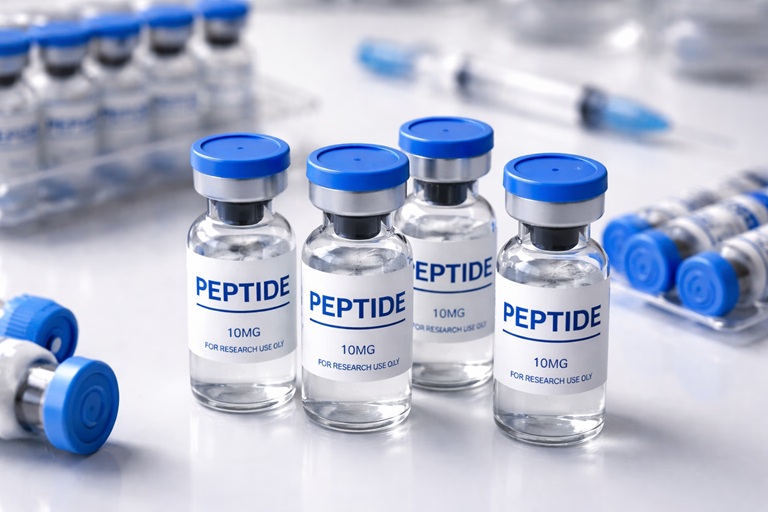
Purchasing peptide products online is easy enough; however, buying them due to their low cost and attractive advertising may lead you to take unnecessary risks. Peptides are frequently talked about with regard to research, health, and fitness, etc.; however, product quality may vary greatly among suppliers. Take some time before ordering to know precisely what you want, where it comes from, and what details are given by sellers. Asking good questions will help you buy better products that are not only of good quality but also have a clear origin.
If you are thinking to buy BPC-157 UK, then do not forget to check out suppliers first and not just buy anything online. The product description is not enough to know about its quality, production process, storage, and testing. An effective buying choice begins by checking out information about a product’s specifications and whether it’s sold with clear documentation from its seller. These questions will assist you in preparing an action plan for moving ahead with it.
Is the Supplier Transparent About the Product?
An honest vendor should give precise details instead of vague promises. Find out more information regarding this peptide’s composition, its purpose, packaging details, and storage conditions. Watch out for a lack of critical facts and false advertising of products.
Important questions include
- Who manufactures the peptide?
- Where is it produced?
- Are ingredients clearly identified?
- Is there an identification number for this item, batch, or lot?
- Are storage instructions provided?
- Can you please reach out to us to contact our supplier?
Transparency does not guarantee good things, but lack of basic information is a warning sign.
Has the Product Been Independently Tested?
Testing is a critical area that needs to be studied prior to purchasing peptide products. A supplier might say their item is very pure, but customers should check out supporting evidence instead of just marketing claims. Is it possible for us to get this from the vendor?
- Certificate of analysis (COA).
- Batch-specific testing information
- Purity results
- Testing to detect contaminants and impurities.
- Name of the laboratory that did this test.
COA is better if you’re talking about a particular product being sold. Generic documents that do not specify a batch may give less assurance of the specific item purchased.
What Are the Storage and Handling Requirements?
The peptide may be affected by temperature, light, humidity, and handling. Improper handling of products while they are being manufactured, transported, and delivered may compromise their quality.
Before buying, ask if your supplier explains how to transport and store this item. Also think about if it looks like a good way to protect your product while it’s being shipped. If there is no useful information about storage provided by a seller, then please contact them prior to placing an order.
What Does the Seller Actually Claim the Peptide Does?
Watch out for advertised items that are advertised as having a dramatic effect on health and bodybuilding, anti-aging, healing, and performance enhancement. The marketing language is not medical evidence.
An ethical purchaser should inquire:
- Are these statements backed by scientific evidence?
- Is it a research product?
- Do you have any restrictions and cautions?
- Are sellers making unrealistic promises?
Knowing how science differs from advertising helps avoid unrealistic expectations.
Is the Purchase Legal and Appropriate?
Peptide regulation varies by country, product type, purpose of use, and whether it’s approved to be used by humans. Before buying, check applicable local laws and determine whether the product is legally available for its stated purpose.
If it’s about health products, then talking it out with an expert doctor would be good enough. Professional advice may be able to identify any risks, interactions, and circumstances that are not suitable for this particular product/substance.
Does the Price Make Sense?
Price should not be the only deciding factor. Cheap goods might need more investigation as they are often sold with little information on testing and production processes.
Rather than just selecting a low-cost supplier, compare them according to.
- Product documentation
- Testing transparency
- Manufacturing information
- Packaging
- Customer support
- Clear terms and policies
A bit more expensive might not matter as much if you can confirm exactly what you’re buying.
Purchasing peptide products responsibly is not just buying them; it’s also about doing business with them properly. Questions to ask regarding testing, sourcing, storage, labeling, intended use, and regulatory status may help you find a supplier with useful information. Whether researching a peptide for legitimate research purposes or evaluating an option such as buy BPC-157 UK, careful verification should come before purchasing. Above all else, do not rely upon hype marketing statements; consult with a qualified health professional if you are considering taking peptides for your own wellbeing.






