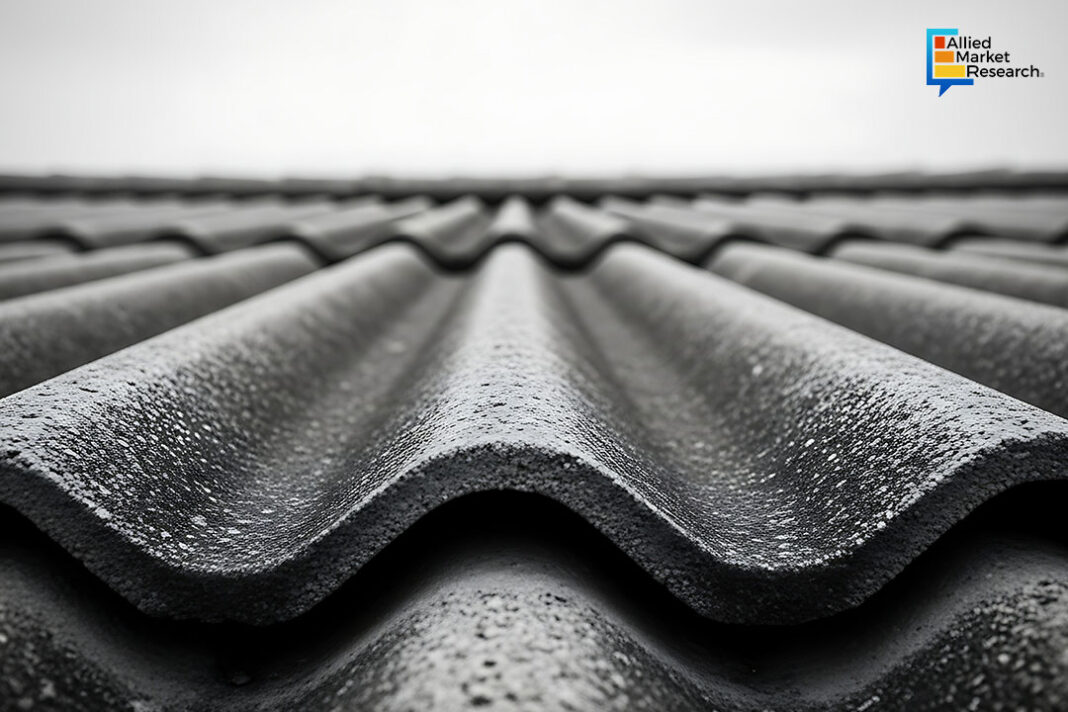
In the last few decades, the construction industry has evolved rapidly. Materials are no longer selected just on the basis of cost. Builders now consider factors such as performance, durability, and sustainability when choosing materials. And due to this shift, fiber cement is now preferred in many construction projects. Earlier fiber cement used to be a niche option; however, it is now steadily moving into the category of mainstream materials. It can be used for cladding, roofing, and interiors. In addition, this cement performs consistently irrespective of moisture, weather, and temperature variations. And owing to this, it helps to reduce maintenance over time, which makes it a dependable and cost-effective choice for long-term projects. For many projects today, it is becoming a primary choice rather than just an alternative.
Why Builders Choose Fiber Cement
Fiber cement is strong, stable, and consistent material. It is made from cement, sand, water, and cellulose fibers. It does not rot and it also resists pests. The cement has been observed to perform well in moisture and harsh weather conditions. It is also non-combustible in nature, which adds a significant layer of safety. For engineers and contractors, this means fewer uncertainties on site. For developers, it means longer-lasting structures with lower risk.
Why the Sector Is Growing
The rise of fiber cement is driven by real industry needs.
Demand for Low-Maintenance Materials: Maintenance is often underestimated. Over time, it impacts both cost and performance. Fiber cement reduces this burden. It retains its strength and finish over long periods..
Push for Sustainable Construction: Sustainability is no longer a choice. It is a requirement. Fiber cement aligns well with green building goals. Its composition and long service life support reduced environmental impact.
Rapid Urban Development: Urban expansion is accelerating. Projects demand materials that are dependable and efficient. Fiber cement supports faster construction while maintaining quality.
Increased Focus on Safety: Fire safety standards are becoming stricter. Fiber cement offers built-in resistance. This makes it suitable across residential, commercial, and industrial applications.
The industry is also witnessing stronger demand from tier 2 and tier 3 cities. Construction activity in these regions is accelerating. Developers are becoming more quality-conscious, while still working within tight budgets. This creates a need for materials that offer durability without high lifecycle costs. Fiber cement fits well into this space. It delivers consistent performance across varying conditions. It also reduces the need for frequent repairs. As awareness grows in these sectors, adoption is expected to increase steadily.
Another visible shift is in how material decisions are being made. Consultants, architects, and project managers are playing a larger role in selection. The focus is moving beyond initial cost toward long-term value. Performance, safety, and maintenance are being evaluated more closely. Fiber cement benefits from this approach. Its technical strengths are easier to justify in structured project planning. This shift is helping position fiber cement as a reliable, specification-driven material rather than just an optional upgrade.
Practical Applications on Site
Fiber cement is versatile and site friendly. It is widely used for external cladding, offering both protection and design flexibility. It performs well across varying climates. In roofing, especially in industrial and semi-urban projects, it delivers durability and consistency. For interior partitions and ceilings, it offers ease of installation and a clean finish. This helps maintain project timelines. It is also used in flooring systems, where boards provide a stable and long-lasting base. For contractors, this reduces complexity. For project teams, it improves coordination.
Where It Faces Challenges
Despite its advantages, certain barriers remain. The initial cost can be higher than basic alternatives. In price-sensitive domains, this can slow decision-making. However, the lifecycle cost often justifies the investment. There is also a gap in awareness. Not all stakeholders are familiar with correct installation practices. This can affect performance if not addressed. The competition is strong. Materials such as gypsum boards and PVC panels are widely available and often cheaper. This makes it important to clearly communicate long-term value.
Trends Shaping the Industry
The fiber cement domain is evolving steadily. The material is becoming lighter and easier to handle. This improves installation efficiency. Design capabilities are expanding. Today’s fiber cement solutions offer better textures, finishes, and visual appeal.
Prefabrication is another key driver. Fiber cement integrates well into modular construction systems. It supports speed, precision, and scalability. Manufacturers are also focusing more on quality, branding, and technical support.
A Material That Delivers in Practice
Fiber cement stands out as it performs where it matters most, which is on site. It reduces maintenance concerns. It handles environmental stress. It supports modern construction methods. For developers, it offers long-term reliability. For architects, it allows design flexibility. For contractors, it ensures smoother execution.
The Road Ahead
The outlook for fiber cement remains strong. Demand is expected to grow as awareness increases. More projects will move toward durable and efficient materials. The next phase will depend on execution. Training, proper installation, and informed decision-making will be the key. Stronger collaboration across the value chain will also help unlock greater potential.
Conclusion
Fiber cement is no longer just an alternative. It is becoming a vital material in modern construction. It combines strength, practicality, and long-term value. In an industry that is evolving rapidly, maintaining such a balance is essential. The shift is already visible. Fiber cement is not just keeping pace; it is helping shape what comes next.
✍ **𝑨𝒓𝒕𝒊𝒄𝒍𝒆 𝒘𝒓𝒊𝒕𝒆𝒓: Shraboni Sen