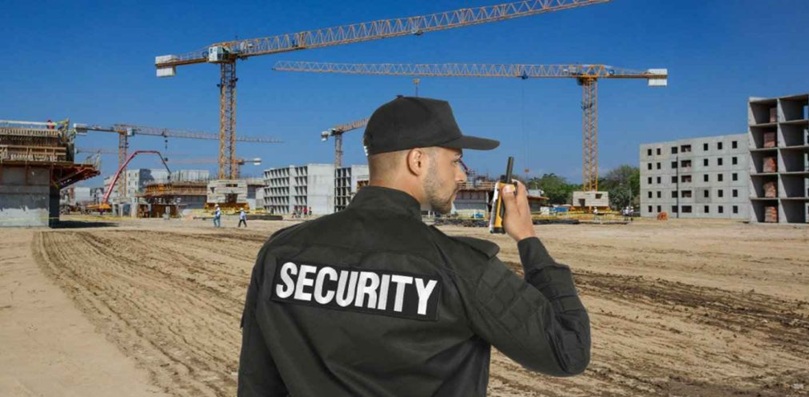
Construction sites often become targets after work hours. Expensive tools, open access points, and unfinished structures create opportunities for vandalism, trespassing, and theft.
One security incident can delay an entire project timeline. Strong site protection helps contractors reduce damage, control access, and maintain safer working conditions throughout construction.
Why Construction Sites Need Active Security Monitoring
Construction projects face security risks long before completion. Contractors that rely on construction site security in Los Angeles often reduce vandalism by improving site visibility, controlling access points, and maintaining after-hours patrol coverage.
Modern projects also face insurance and liability pressure. Security monitoring helps protect workers, subcontractors, equipment, and temporary structures while creating documented records for incidents and emergency response situations.
- Reduces unauthorized site access
- Helps prevent vandalism and theft
- Protects heavy machinery and tools
- Supports insurance documentation
- Improves overnight site monitoring
- Creates safer work environments
Common Ways Vandals Target Construction Projects
Construction sites face different threats depending on project size, location, and operating hours. Most incidents happen during nights or weekends when fewer workers and supervisors remain on site.
1. Graffiti Damage on Exterior Structures
Fresh walls, fencing panels, and temporary offices often attract graffiti crews looking for visible surfaces. Cleanup costs rise fast once multiple sections become damaged overnight.
Visible patrol officers create strong deterrence because vandals usually avoid locations where movement, monitoring, and active supervision remain consistent throughout the night.
2. Theft of Copper and Building Materials
Copper wiring, plumbing materials, and HVAC components carry strong resale value. Organized groups sometimes monitor projects for days before attempting overnight theft operations.
Professional guards improve material protection by monitoring storage containers, loading areas, and delivery schedules during vulnerable after hours periods.
3. Equipment Tampering and Property Damage
Heavy equipment often becomes a target for vandalism after crews leave the property. Broken windows, damaged controls, and fuel theft can stop operations immediately.
Construction companies use guards to maintain equipment security and identify suspicious activity before larger damage spreads across the site.
4. Trespassing by Unauthorized Visitors
Unfinished buildings attract curious visitors who often ignore dangers connected to exposed wiring, unstable flooring, or active excavation zones after hours.
Security patrols help enforce restricted access policies by monitoring entrances, fencing lines, and isolated sections of the property consistently.
5. Fire Related Vandalism Risks
Construction materials such as insulation, wood framing, and temporary fuel storage create serious fire hazards if sites remain unsecured overnight or during shutdowns.
Routine patrol coverage improves fire risk awareness by identifying suspicious activity, unsecured materials, and unsafe conditions before incidents escalate.
6. Labor Disputes and Intentional Damage
Large projects occasionally experience disruptions linked to labor disputes, protests, or conflicts involving contractors, vendors, or outside groups near the site.
Visible guards help maintain controlled conditions by reducing confrontations and protecting workers, equipment, and temporary structures from intentional damage.
Security Measures That Help Reduce Vandalism Risks
Effective construction security depends on layered protection rather than a single guard near the entrance. Patrol visibility, lighting, surveillance, and controlled access work together to reduce risks.
Many contractors invest in construction site security services because active monitoring helps reduce delays, property damage, and theft related losses during every stage of construction.
Controlled Entry and Exit Points
Open construction sites create opportunities for unauthorized movement. Security officers monitor visitors, delivery vehicles, subcontractors, and temporary workers entering the property.
Controlled entrances improve site accountability because every visitor leaves a documented record connected to specific times and approved activities.
Overnight Patrol Coverage
Most vandalism occurs after normal working hours when construction sites become quieter and fewer supervisors remain present around the property overnight.
Mobile patrol teams create visible security presence by checking equipment yards, storage containers, perimeter fencing, and temporary offices throughout the night.
Surveillance Camera Support
Modern construction sites often combine cameras with physical guard services. Surveillance systems improve visibility across large projects with multiple access points.
Combined monitoring creates continuous coverage because guards can respond directly whenever cameras detect suspicious movement or perimeter breaches after hours.
Improved Lighting Around Work Areas
Poor lighting creates ideal conditions for vandalism because dark areas allow trespassers to move through properties without attracting attention from nearby traffic.
Security teams recommend strategic lighting placement near entrances, fencing lines, parking zones, and equipment storage areas to improve nighttime visibility.
Fence and Perimeter Inspections
Construction fencing experiences constant stress from weather, equipment movement, and attempted break ins during long projects with changing site conditions.
Routine inspections maintain secure boundaries by identifying broken locks, damaged fencing panels, or vulnerable access points before incidents increase.
Incident Reporting and Documentation
Professional reporting creates accurate records of suspicious activity, emergency situations, patrol observations, and security concerns throughout the construction timeline.
Detailed reports improve operational transparency between contractors, insurance providers, subcontractors, and property owners managing active development projects.
Additional Benefits of Construction Site Security
Construction security from experts like firstchoiceguards.com protects more than equipment and materials. Strong monitoring also helps contractors maintain schedules, reduce liability exposure, and improve overall site organization.
Reliable security coverage creates better communication between workers, supervisors, subcontractors, and property owners during every stage of the project timeline.
1. Better Insurance Compliance
Insurance providers often expect contractors to maintain reasonable site protection during active construction and after hours shutdown periods on larger developments.
Documented patrol activity creates compliance support by showing insurers that the property receives regular monitoring and controlled access management.
2. Faster Emergency Response
Security officers often become the first people to notice emergencies involving flooding, fire hazards, severe weather damage, or suspicious activity around the property.
Continuous patrol coverage improves response speed because guards can contact emergency services and contractors before damage spreads further.
3. Safer Conditions for Workers
Construction zones contain heavy equipment, exposed materials, and unfinished structures that can become dangerous when unauthorized visitors enter active work areas.
Professional monitoring helps maintain worker safety by reducing trespassing incidents and controlling access to restricted sections of the site.
4. Improved Contractor Reputation
Visible security coverage shows nearby residents, investors, and subcontractors that contractors take site protection and operational responsibility seriously throughout construction.
Consistent monitoring builds professional credibility because cleaner and safer job sites create stronger public confidence around active developments.
5. Reduced Project Delays
Vandalism incidents often interrupt inspections, material deliveries, equipment scheduling, and subcontractor operations across multiple construction phases.
Active patrol coverage helps reduce project disruption by identifying problems quickly before delays spread through the construction timeline.
6. Better Control During Deliveries
Construction sites receive constant deliveries involving tools, materials, machinery, and subcontractor equipment during different stages of development work.
Security officers improve delivery oversight by monitoring loading areas, verifying schedules, and documenting incoming site activity accurately.
Comparing Common Construction Security Methods
Different projects require different levels of protection depending on location, workforce size, equipment value, and construction schedules. Some sites need full time guards while others depend more on patrols and surveillance support.
The strongest security plans combine physical presence with monitoring systems. Layered protection reduces opportunities for vandalism while helping contractors respond faster to suspicious activity.
| Security Method | Primary Benefit | Best Use Case |
| Standing Security Guards | Visible deterrence | Large commercial projects |
| Mobile Patrol Units | Broad site coverage | Multi acre developments |
| Surveillance Cameras | Recorded evidence | Material storage zones |
| Access Control Systems | Visitor tracking | High traffic projects |
| Temporary Lighting | Better visibility | Remote job sites |
| Fence Monitoring | Perimeter protection | Urban construction sites |
Why Preventive Security Matters on Construction Projects
Construction vandalism usually targets sites with weak visibility and inconsistent monitoring. Contractors that invest in security early often avoid expensive delays, damaged equipment, insurance complications, and repeated disruptions. Strong patrol coverage, controlled access, lighting, and documentation help create safer projects while protecting schedules, workers, and long term operational costs.