Maintaining paved surfaces such as driveways, parking lots, and walkways is essential for both aesthetics and functionality. Over time, exposure to weather, traffic, and natural wear can cause deterioration, leading to cracks, fading, and structural damage. Paving and sealcoating services provide solutions that not only restore the appearance of your property but also extend the lifespan of the pavement. Understanding the costs, the process involved, and the best maintenance practices can help property owners make informed decisions and protect their investment.
The Cost of Paving and Sealcoating
The cost of paving and sealcoating varies depending on several factors, including the size of the area, the condition of the existing pavement, and the materials used. Paving, which involves laying new asphalt or concrete, is generally more expensive than sealcoating because it requires more labor and materials. Sealcoating, on the other hand, is a protective layer applied to existing pavement, making it a more affordable option for routine maintenance.
For residential driveways, sealcoating may cost significantly less than repaving, while commercial properties with large parking lots may face higher expenses due to the scale of the project. It is important to view these costs as investments rather than expenses. Sealcoating helps prevent costly repairs by protecting against water damage, oxidation, and chemical spills, while paving ensures structural integrity when surfaces are too damaged for simple maintenance.
The Process of Paving
Paving begins with preparing the surface. This includes removing debris, leveling the ground, and addressing drainage issues. Once the base is ready, asphalt or concrete is laid and compacted to create a smooth, durable surface. The process may also involve grading to ensure proper water runoff, which is critical for preventing future damage. Paving provides a fresh start for surfaces that have deteriorated beyond repair, offering both strength and improved appearance.
The Process of Sealcoating
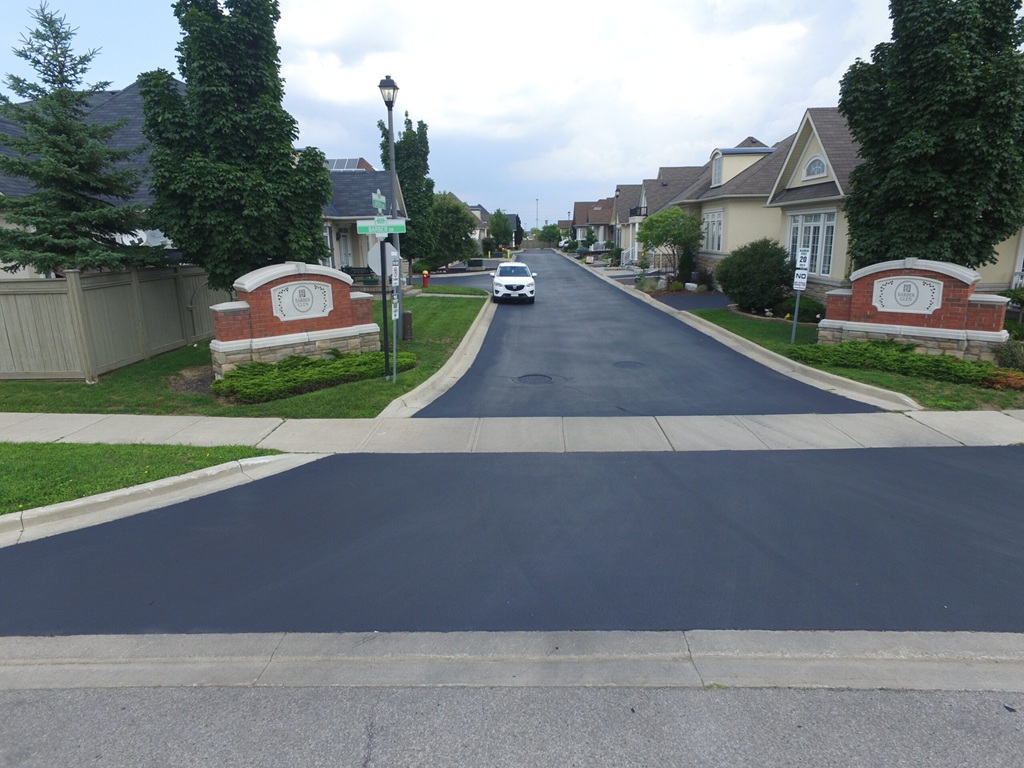
Sealcoating is less invasive than paving but equally important for long-term maintenance. The process starts with cleaning the pavement thoroughly to remove dirt, oil, and debris. Cracks and minor damages are repaired before the sealant is applied. The sealcoat is then spread evenly across the surface, creating a protective barrier that shields against UV rays, water penetration, and chemical spills. Once dried, the pavement regains its rich, dark appearance and is better equipped to withstand daily wear and tear.
Maintenance Tips for Longevity
Proper maintenance ensures that paving and sealcoating deliver maximum benefits. Regular inspections help identify cracks, potholes, or drainage issues early, allowing for timely repairs. Avoiding heavy loads on newly paved or sealcoated surfaces prevents premature damage. Cleaning the pavement regularly to remove debris, oil stains, and standing water also contributes to longevity. Sealcoating should be reapplied every few years depending on traffic and weather conditions, while paving should be monitored for signs of structural wear that may require resurfacing.
Another important tip is to schedule services during favorable weather conditions. Sealcoating, for example, requires dry weather for proper application and curing. Planning ahead ensures that the process is effective and long-lasting. Property owners should also work with reputable contractors who use quality materials and follow industry standards, as poor workmanship can lead to recurring problems.
Conclusion
Executive asphalt paving and sealcoating are essential components of property maintenance, offering both aesthetic and functional benefits. While paving provides a durable foundation for damaged surfaces, sealcoating acts as a protective shield that prolongs the life of existing pavement. Understanding the costs involved, the processes required, and the importance of consistent maintenance helps property owners make smart decisions that preserve value and safety. With the right approach, paved surfaces can remain strong, attractive, and reliable for years to come.