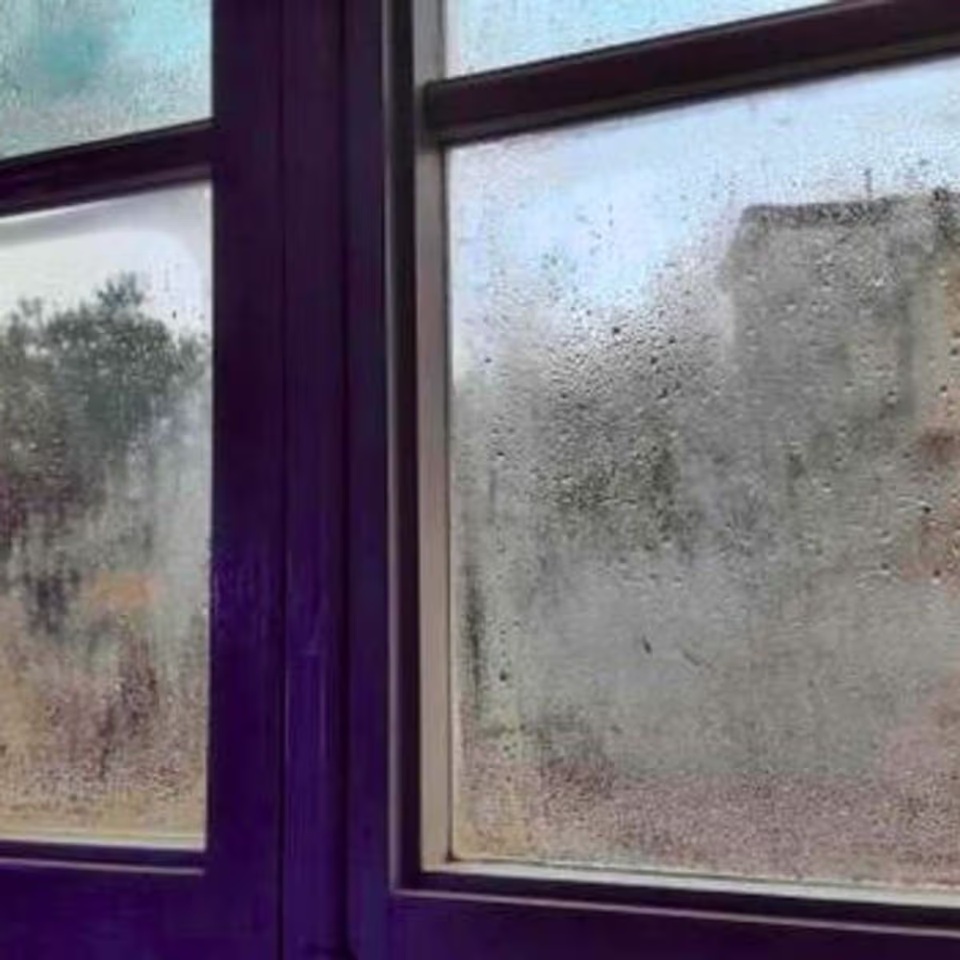
Most homeowners have had the experience. They spend a Saturday morning cleaning windows, finishing each one with a satisfied flourish, and step back to admire the work only to see streaks, smudges, and water spots that make the windows look worse than before they started. The frustration is universal. The cause is almost never the cleaner’s effort. It is the combination of products, techniques, and environmental conditions that conspire against most DIY window cleaning approaches.
Professional window cleaners produce streak-free results consistently. They are not magicians. They use specific techniques and tools that are designed to overcome the conditions that defeat DIY attempts. Understanding what those conditions are, and why most home methods fail to address them, explains why hiring professionals usually produces better results than even the most determined home effort.
For anyone tired of streaky windows or curious about what window cleaning experts actually do differently, this is what is really happening behind the persistent streaking problem and what the professional approach addresses.
The Water Itself Is Often the Problem
Tap water contains dissolved minerals, primarily calcium, magnesium, and silica. These minerals are colorless and invisible when the water is liquid. When the water evaporates from glass, the minerals are left behind as deposits, which are the white spots and streaks that appear on windows after they dry.
This is not a problem that better wiping technique can solve. The minerals are in the water itself, and they will deposit on the glass no matter how the water is applied or removed. A homeowner using municipal tap water with average hardness is essentially guaranteed to leave some level of mineral residue, regardless of how thoroughly they wipe.
Professional window cleaners often address this by using purified water rather than tap water. Water-fed pole systems used by professionals filter the water through deionization or reverse osmosis equipment to remove the dissolved minerals before the water touches the glass. When pure water dries on a window, nothing is left behind. The glass dries spot-free without any wiping at all.
The Cleaning Products Often Make Streaks Worse
Commercial glass cleaners contain a mix of surfactants, ammonia or alcohol, and various additives. These ingredients clean effectively but also tend to leave residues of their own. The residue may not be visible when the window is wet, but as the cleaner evaporates, it leaves a thin film that catches light and produces streaks.
Some homeowners try to compensate by using more cleaner, which actually makes the problem worse. More product means more residue, which means more visible streaking. Others try vinegar solutions, which avoid commercial cleaner residues but introduce their own issues: vinegar dries slowly, can leave its own residue if not balanced correctly, and does not handle heavy dirt well.
Professional approaches use minimal cleaning product, focus on removing dirt and residue rather than masking it, and rely on the water itself to do most of the actual cleaning. The product is a tool to help lift contamination, not the cleaning agent itself.
The Tools Matter More Than Most People Realize
The standard household toolkit for window cleaning consists of paper towels, newspaper, or microfiber cloths combined with a spray bottle of glass cleaner. None of these tools are well-suited to producing professional results, and using them in combination almost guarantees streaking.
Paper towels and newspapers shed fibers, leave their own residue, and have limited capacity to actually move dirt off the glass. Microfiber cloths are better but accumulate contamination as they work, redepositing what they pick up on the next pass. Spray bottles deliver inconsistent amounts of cleaner to different areas of the glass, leading to uneven evaporation patterns.
The professional toolkit centers on a squeegee with a quality rubber blade and a window scrubber or T-bar applicator. The scrubber applies cleaning solution evenly across the glass. The squeegee removes the solution along with whatever it has lifted, in a controlled pattern that does not leave residue behind. The technique requires practice but produces dramatically better results than the spray-and-wipe approach.
Environmental Conditions Affect the Results
Windows clean differently on different days. Hot sun on the glass causes cleaner to evaporate before it can be properly removed, which leaves streaks. Cold weather slows evaporation but can also cause cleaning products to behave unexpectedly. High humidity affects how the glass dries. Wind can deposit dust onto wet glass before it has finished drying.
Professional window cleaners adjust their approach to the conditions. They work in the shade when possible, on cooler parts of the day, with techniques adapted to the specific weather. They are also conditioned by experience to recognize when conditions are wrong and to either reschedule or modify their approach accordingly.
Most homeowners do not have the luxury of choosing when to clean their windows. The work happens when the homeowner has time, which is often the wrong moment for the actual conditions. This explains why the same person can get different results on different days using the same products and techniques.
The Glass Itself May Be the Cause
Some streaking patterns indicate problems with the glass rather than with the cleaning. Hard water deposits that have built up over time can etch into the glass surface, leaving permanent marks that no amount of cleaning will remove. Old window seals can fail and allow moisture between panes of insulated glass, which appears as foggy areas no surface cleaning can address. Scratches, chemical damage from sealants or paint, and pitting from sand or salt all create patterns that look like cleaning problems but are not.
Professional cleaners can usually identify these issues during cleaning and advise the homeowner accordingly. The cleaning will not fix them, but knowing that the marks are damage rather than dirt prevents the frustration of cleaning the same windows repeatedly and getting the same disappointing result.
When DIY Actually Works
There are conditions under which DIY window cleaning produces good results. Small windows that can be cleaned thoroughly in one session. Cooler weather without direct sun. Quality tools used correctly. Realistic expectations about what cleaning can and cannot address.
For most homes, however, the combination of variables that need to be right for DIY success makes professional cleaning the more reliable choice. The cost of professional service is usually modest compared to the time invested in DIY attempts that produce disappointing results, and the result is consistent in a way that is difficult to achieve with home methods.
The Bottom Line
Streaky windows are not a sign of bad effort. They are a sign of a process working against multiple invisible variables, with tools and products that often make the situation worse rather than better. Professional window cleaners produce better results because they use better water, better tools, and better techniques refined through repetition.
For homeowners who value clean windows but have grown tired of fighting the streaking problem with diminishing returns, the professional approach is usually the answer. The investment is modest. The result is consistent. The weekend can be reclaimed for something else.