Workplace safety is a paramount concern for businesses across various industries. Ensuring the well-being of employees is not just a legal requirement but also a moral obligation for employers. A key element of maintaining a safe work environment is the use of appropriate access equipment. Quality access equipment facilitates safe and efficient performance of tasks, particularly when working at heights or handling materials that require elevation.
The Importance of Access Equipment
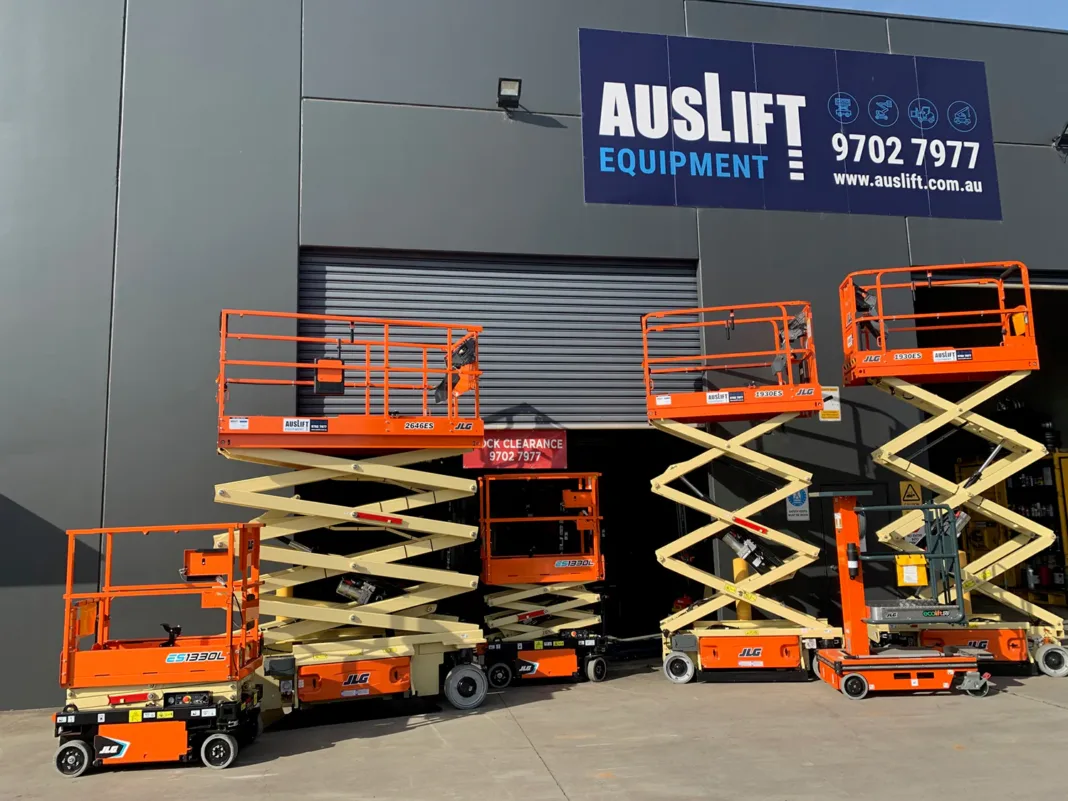
Accidents and injuries in the workplace can lead to devastating consequences for workers and significant financial and reputational damage for employers. Access equipment plays an essential role in mitigating such risks, providing secure and stable platforms for employees to carry out their duties. From ladders to scaffolds and aerial lifts, each piece of equipment is designed to address specific working conditions and requirements.
Investing in the right access equipment means not only protecting your workforce but also enhancing productivity. Workers equipped with suitable, reliable tools can perform their roles more confidently and efficiently, leading to better job outcomes and satisfaction.
Considerations for Selecting Access Equipment
Selecting the suitable access equipment requires careful consideration of numerous factors. The nature of the tasks, the height at which the work will be performed, the duration of use, load capacity, and the workspace’s physical constraints all play a role in determining the most appropriate equipment for the job.
Employers must also consider the ease of use and manoeuvrability of the equipment, as well as any additional safety features that could be beneficial, such as guardrails or stabilising mechanisms. These considerations help not only in complying with safety regulations but also in ensuring that workers feel secure and supported while performing their tasks.
Training and Maintenance: Vital for Safety
Equally important to the selection of the right access equipment is the training and maintenance regime that accompanies it. Employees must be adequately trained to use the equipment safely and correctly, including an understanding of its limitations and any potential hazards associated with its use.
Maintenance is another critical aspect, ensuring that the equipment remains in optimal working condition, free from defects, and safe for use. Regular inspections and servicing can identify and rectify issues before they become problematic or dangerous.
Custom Solutions for Unique Workplaces
Every workplace has its unique challenges and requirements when it comes to access. In some cases, off-the-shelf equipment may not suffice, necessitating custom solutions. Specialised vendors of access equipment can offer bespoke designs tailored to the specific needs of a business, ensuring that safety and functionality are maximised.
Custom solutions also mean that businesses are not forced to compromise on safety due to the limitations of standard equipment. Instead, they can enjoy peace of mind knowing that the access equipment they deploy is perfectly suited to their operational needs.
Regular Updates and Upgrades
As technologies advance and industry standards evolve, it becomes necessary for businesses to keep their access equipment up to date. This may involve upgrading existing machinery, adopting new equipment featuring the latest safety innovations, or updating training protocols in line with current best practices.
Regular updates and upgrades not only contribute to continuous improvements in safety but also signal to employees that their employer values their well-being and is committed to providing the best resources for their safety.
Compliance with Regulations
In addition to the practical benefits of the right access equipment, there is also the matter of legal compliance. Workplace safety regulations are stringent, and non-compliance can result in severe penalties. Ensuring that all access equipment meets or exceeds the required standards is crucial for operating within the law.
Thorough documentation, safety audits, and compliance checks are all part of a robust approach to workplace safety, where access equipment is an essential component.
Conclusion
In the effort to maintain a safe and productive workplace, the significance of the right access equipment cannot be overstated. It is instrumental in preventing accidents, reducing the risk of injuries, and ensuring a smooth workflow. Businesses must take the time to assess their specific needs carefully, invest in high-quality equipment, and commit to ongoing training and maintenance.
By partnering with reputable suppliers and staying abreast of legal and industry standards, employers can elevate their workplace safety to new heights. The welfare of employees is, after all, the foundation upon which successful businesses are built. Employers seeking to enhance their workplace safety can benefit from exploring the array of solutions provided by vendors like auslift.
Ultimately, the right access equipment is not just an investment in safety; it is an investment in the business’s future, helping to foster an environment where employees can confidently and safely rise to the challenges of their roles.