
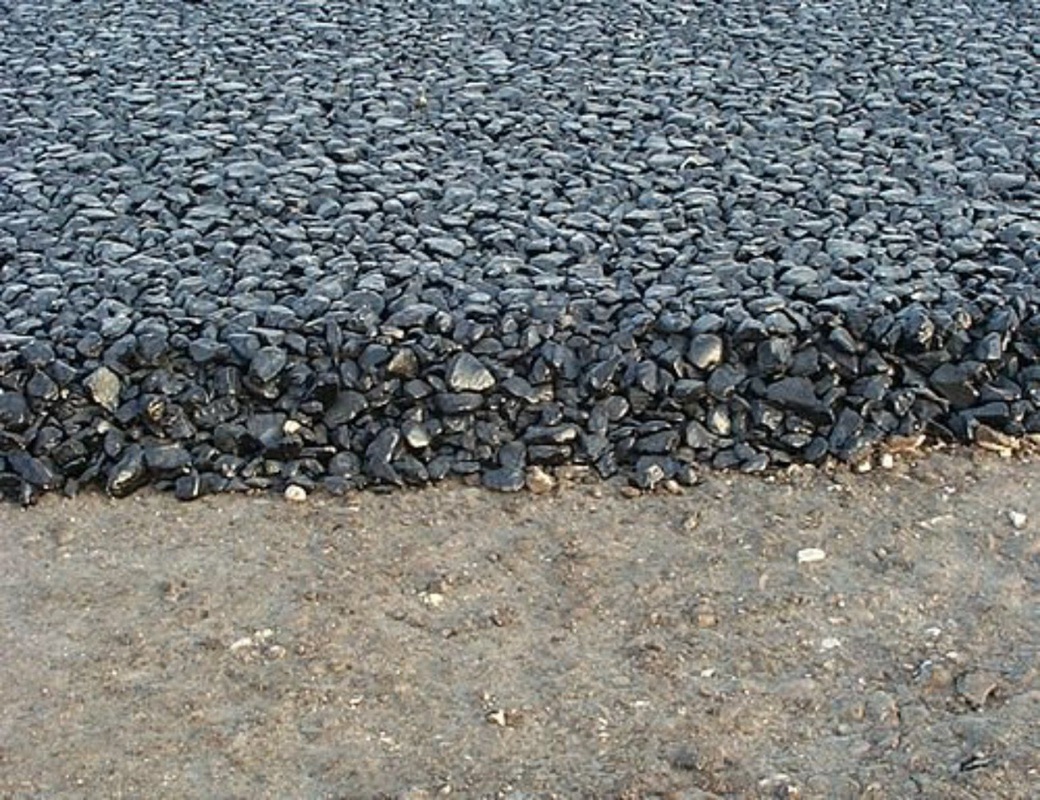
Dense Bituminous Macadam (DBM) is one of the most important structural layers used in flexible pavement construction for highways, expressways, and major urban roads. It serves as a binder course and base course layer that distributes traffic loads from the surface layer to the underlying base and subgrade layers.
The increasing demand for high-quality road infrastructure, especially in developing regions, has made DBM a standard choice in road construction specifications provided by agencies like the IRC (Indian Roads Congress) and MORTH (Ministry of Road Transport and Highways). Its ability to withstand heavy axle loads and resist deformation makes it essential for national highways, industrial corridors, and urban arterial roads.
Meaning and Concept of DBM
Dense Bituminous Macadam is a dense-graded bituminous mixture composed of:
- Coarse aggregates
- Fine aggregates
- Mineral filler
- Bituminous binder
The term “dense” indicates that the mixture is designed with minimal air voids, achieved through proper gradation and compaction. “Macadam” refers to a type of road construction method that uses layers of crushed stone bound together, originally developed in early road engineering practices.
Unlike open-graded mixes, DBM is tightly packed and has a low permeability, which helps protect lower pavement layers from water infiltration. It is typically used below the wearing course (Bituminous Concrete layer) and above the granular base like Wet Mix Macadam (WMM).
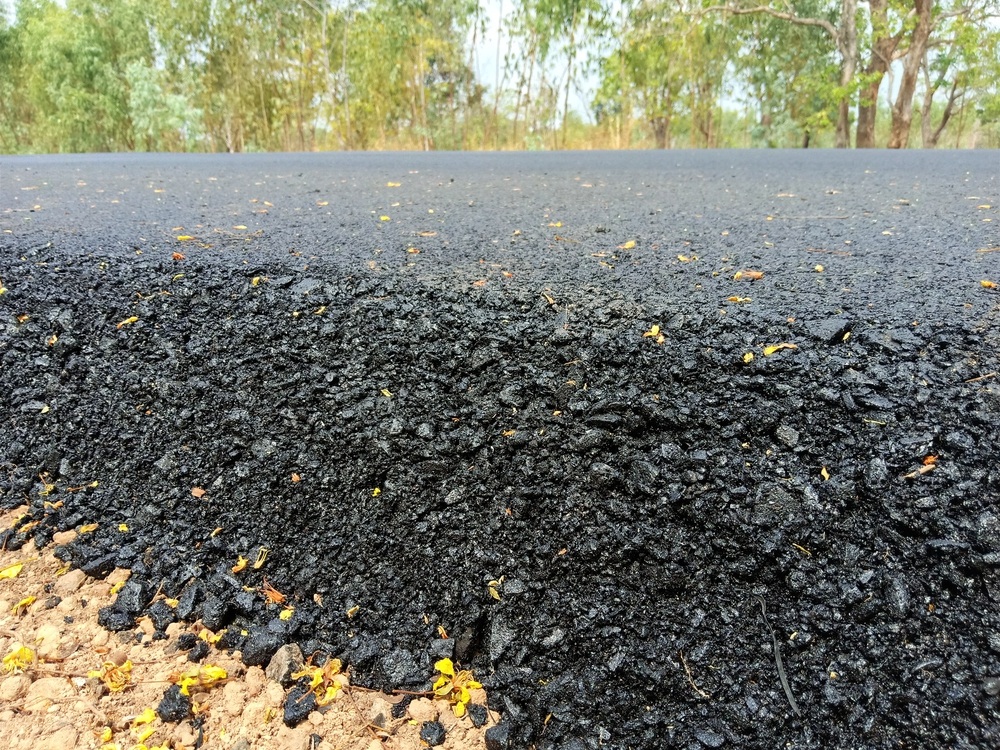
Applications of DBM
DBM is widely used in:
- National and state highways
- Expressways and economic corridors
- Urban roads and flyovers
- Industrial and logistics routes
- Airport pavements (in some layers)
Its versatility makes it suitable for both high-speed and heavy-load conditions.
Advantages of DBM
DBM offers several engineering and economic benefits:
- High structural strength
- Long service life
- Good resistance to deformation (rutting)
- Suitable for heavy traffic loads
- Cost-effective compared to rigid pavements
- Provides a stable base for wearing course
- Reduces maintenance frequency
Functions of DBM in Pavement Structure
DBM performs several critical functions in flexible pavement systems:
- Load Distribution
- Transfers wheel loads from the surface layer to the base and subgrade.
- Reduces stress concentration on lower layers.
- Structural Strength
- Provides high stability and stiffness to the pavement system.
- Enhances overall pavement life.
- Binder Layer Function
- Acts as an intermediate layer between base course and wearing course.
- Ensures bonding and structural continuity.
- Water Resistance
- Dense structure minimizes water penetration.
- Protects subgrade from weakening due to moisture.
- Fatigue Resistance
- Helps in resisting repeated traffic loading without cracking or deformation.
Composition of DBM Mix
The performance of DBM depends heavily on its material composition. The main components include:
1. Coarse Aggregates
These form the skeleton of the DBM mix. They are usually crushed stones with high strength and durability. The aggregates must satisfy requirements like:
- High crushing strength
- Low flakiness and elongation
- Good abrasion resistance
2. Fine Aggregates
Fine aggregates fill the voids between coarse particles and improve workability. They may include:
- Crushed stone dust
- Natural sand (limited use depending on specifications)
3. Mineral Filler
Fillers improve the cohesion and stability of the mix. Common fillers include:
- Cement
- Hydrated lime
- Stone dust
4. Bituminous Binder
Bitumen acts as the binding material that holds all aggregates together. Common grades include:
- VG-30 (most widely used in India)
- VG-40 (for heavy traffic and hot regions)
The bitumen content is carefully designed based on Marshall Mix Design method to achieve optimum performance.

Design and Mix Requirements
The DBM mix design is generally carried out using the Marshall Method of Mix Design, which determines:
- Optimum bitumen content
- Stability
- Flow value
- Air voids
- Voids in mineral aggregates (VMA)
Typical requirements include:
- Stability: High resistance to deformation
- Air voids: Usually 3–5% in compacted mix
- VMA: Ensures durability and flexibility
Proper gradation is critical to achieve a dense and stable structure. Poor gradation can lead to rutting, cracking, or premature failure.
Construction Methodology of DBM
The construction of DBM involves several carefully controlled stages. Each step has a significant impact on the final performance of the pavement.
1. Preparation of Base Layer
Before laying DBM, the underlying layer (usually WMM or bituminous base) must be:
- Cleaned thoroughly
- Free from dust, loose particles, or moisture
- Treated with prime coat or tack coat to ensure bonding
Proper surface preparation ensures strong adhesion between layers.
2. Heating and Mixing of Materials
- Aggregates are heated in a hot mix plant at controlled temperatures (usually 150–165°C).
- Bitumen is heated separately to maintain proper viscosity.
- Materials are mixed in a drum or batch mix plant.
- The mixing process ensures uniform coating of bitumen over aggregates.
Temperature control is extremely important because overheating can damage bitumen properties, while underheating leads to poor compaction.
3. Transportation of Mix
The hot mix is transported to the site using insulated dump trucks. During transportation:
- Heat loss must be minimized
- Mix must remain workable
- Segregation of aggregates must be avoided
Any delay can reduce compaction efficiency and affect pavement quality.
4. Laying of DBM Layer
DBM is laid using a mechanical paver finisher, which ensures:
- Uniform thickness
- Smooth surface profile
- Proper slope and alignment
Manual laying is generally avoided for major projects due to quality concerns.
5. Compaction Process
Compaction is the most critical stage in DBM construction. It is done in multiple stages:
- Initial rolling using vibratory roller
- Intermediate rolling using pneumatic roller
- Final rolling using smooth wheel roller
The objective is to achieve maximum density (usually 98% or more of laboratory density). Proper compaction reduces air voids and increases strength.

Various Equipment Used in DBM Construction
The construction of DBM requires a range of specialized equipment to ensure precision, quality, and efficiency. Each machine plays a specific role in the process.
1. Hot Mix Plant (HMP)
The Hot Mix Plant is the core equipment used in DBM production. It is responsible for:
- Heating aggregates to required temperature
- Drying and removing moisture
- Mixing aggregates with bitumen and filler
- Producing uniform hot mix material
Types of HMP:
- Batch mix plant
- Drum mix plant
A well-calibrated plant ensures consistent quality and proper gradation control.
2. Asphalt Paver Finisher
The paver is used for spreading DBM mix uniformly on the prepared surface. Its functions include:
- Maintaining uniform thickness
- Ensuring proper alignment and slope
- Providing smooth surface texture
- Minimizing material segregation
Modern pavers are equipped with automatic leveling systems for high accuracy.
3. Vibratory Roller
This is the primary compaction equipment used in DBM construction. It uses vibration and static weight to:
- Compact the hot mix
- Reduce air voids
- Increase density and strength
It is typically used during initial and intermediate rolling stages.
4. Pneumatic Tyre Roller
This roller uses rubber tyres instead of steel drums. It provides kneading action which:
- Improves interlocking of aggregates
- Ensures uniform compaction
- Eliminates surface voids
It is highly effective for sealing surface layers.
5. Tandem Steel Wheel Roller
Used for final finishing, this roller:
- Provides smooth surface finish
- Removes roller marks
- Ensures final compaction quality
It is essential for achieving the desired riding quality.
6. Bitumen Distributor
Used for applying tack coat or prime coat on the base surface. It ensures:
- Uniform bitumen spraying
- Proper bonding between layers
- Controlled application rate
7. Dump Trucks / Tippers
These are used for transporting hot mix from plant to site. They are:
- Insulated to retain heat
- Covered to prevent contamination
- Designed to avoid segregation of mix
8. Aggregate Crushers and Screens
Before mix production, aggregates are processed using:
- Crushers (jaw, cone, impact)
- Screening units
They ensure proper size and gradation of aggregates.
9. Laboratory Testing Equipment
Used for quality control, including:
- Marshall stability testing machine
- Bitumen penetration test apparatus
- Aggregate impact and abrasion testing equipment
- Density and core cutting tools
Conclusion
Dense Bituminous Macadam (DBM) is a fundamental structural layer in modern flexible pavements, providing strength, stability, and load distribution capability. It acts as the backbone of bituminous road construction and ensures that surface layers perform efficiently under heavy traffic conditions.
The success of DBM largely depends on proper material selection, accurate mix design, controlled temperature during production, and effective compaction at site. When executed correctly, DBM significantly enhances pavement life, reduces maintenance costs, and ensures safe and smooth transportation infrastructure.






