
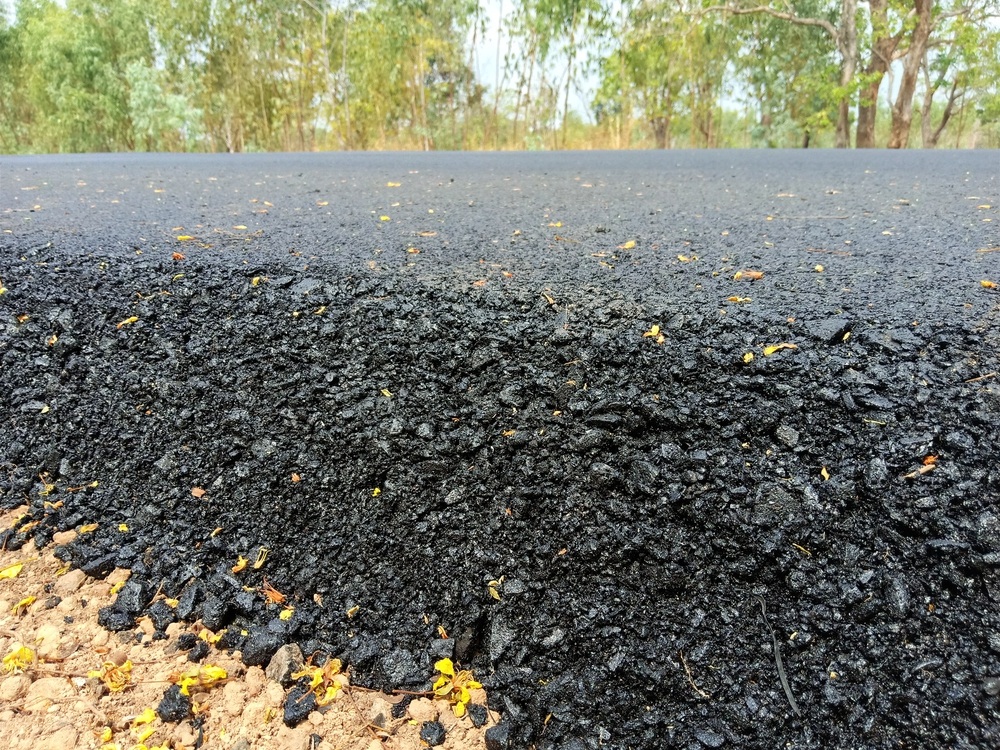
The bituminous concrete (BC) layer is the topmost wearing course in flexible pavement construction and plays a decisive role in the performance of highways. It is the layer that directly comes in contact with vehicle tyres, environmental conditions, and continuous traffic loading. Because of this exposure, the BC layer must provide a combination of strength, durability, flexibility, and surface quality.
In modern highway engineering, where traffic intensity and axle loads are continuously increasing, the BC layer is not just a finishing surface. It acts as a functional and protective layer that ensures smooth riding quality while safeguarding the underlying pavement structure from damage. A well-designed and properly executed BC layer significantly enhances pavement life and reduces maintenance requirements.
Role and Functional Importance
The BC layer serves multiple roles, combining surface performance with protective functions. Its most visible contribution is the smooth riding surface, which improves driving comfort and reduces vehicle wear. A well-finished BC layer also minimizes noise and enhances the overall driving experience.
At the same time, it contributes to safety by providing adequate skid resistance. The texture and quality of aggregates used in the mix ensure proper friction between tyres and the road surface, especially during wet conditions.
In addition to these functional aspects, the BC layer protects the pavement structure by preventing water infiltration and resisting surface wear. Its dense composition reduces the chances of moisture penetration, which can weaken lower layers and lead to failures such as potholes and cracking.
Some of the key functions include:
- Providing a smooth and even riding surface
- Enhancing skid resistance and road safety
- Acting as a waterproofing layer
- Protecting underlying pavement layers
- Resisting abrasion due to traffic
Materials and Their Engineering Role
The performance of the BC layer is largely dependent on the quality and proportion of its constituent materials. Aggregates form the major portion of the mix and provide strength and load-bearing capacity. Their shape, size, and durability influence how well the mix performs under traffic loads.
Coarse aggregates create the structural framework, while fine aggregates fill the voids and improve the compactness of the mix. Mineral fillers, such as stone dust or cement, occupy micro-voids and enhance the binding properties.
Bitumen acts as the adhesive that binds the aggregates together. It provides flexibility, allowing the pavement to withstand temperature variations and repeated loading without cracking. The selection of the appropriate bitumen grade is essential to achieve the desired performance under specific climatic and traffic conditions.
A well-balanced combination of these materials results in a mix that is both stable and flexible, capable of delivering long-term performance.
Gradation and Mix Behavior
One of the defining characteristics of bituminous concrete is its dense gradation. Aggregates of different sizes are carefully combined so that smaller particles fill the spaces between larger ones. This results in a tightly packed structure with minimal voids.
This dense arrangement improves load distribution and enhances resistance to deformation. It also reduces permeability, which helps in protecting the pavement from moisture damage.
At the same time, proper gradation ensures good workability during construction and contributes to a smooth surface finish. The mix design process aims to achieve an optimum balance between stability, flexibility, and durability.
Construction Process and Field Execution
The construction of the BC layer involves a sequence of carefully controlled steps. Each stage is important, and any deviation can affect the final quality of the pavement.
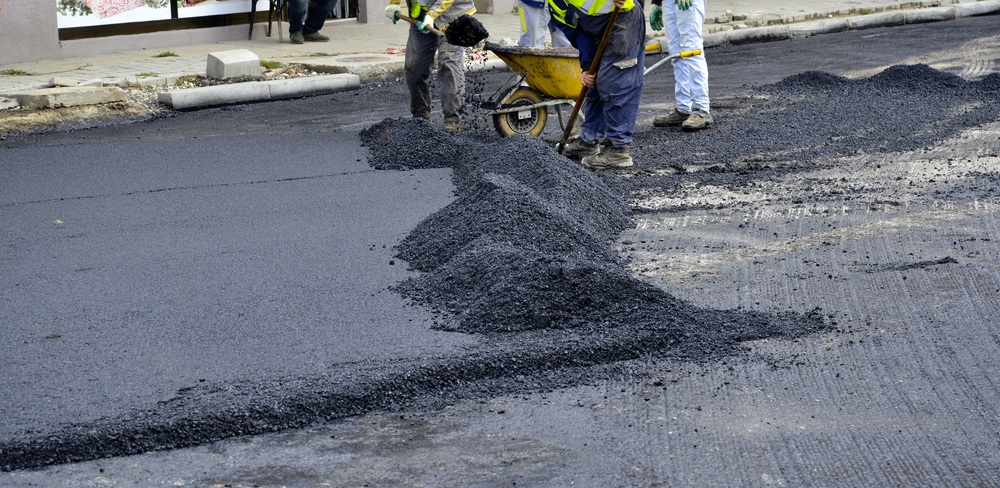
The process begins with the preparation of the underlying surface. It must be clean, dry, and free from loose materials. Any irregularities are corrected to ensure proper bonding.
A tack coat is then applied to promote adhesion between the BC layer and the underlying layer. This step ensures that the layers act together as a single unit.
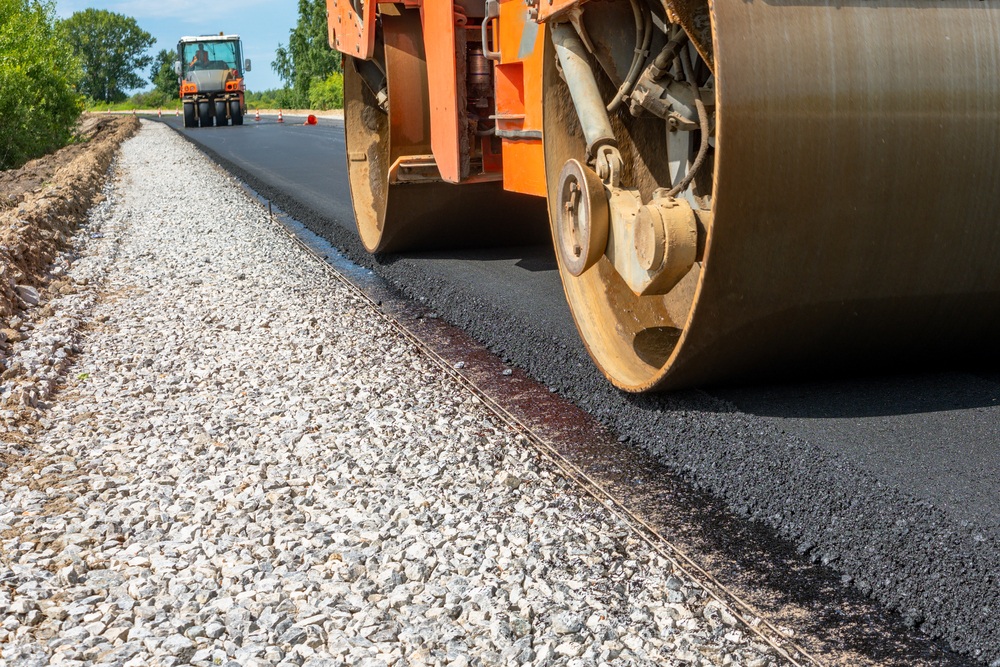
The hot mix is produced in a plant at controlled temperatures and transported to the site. Once delivered, it is laid using a paver machine, which ensures uniform thickness and alignment. Compaction is carried out immediately using rollers to achieve the required density before the mix cools.
Key aspects that require strict attention include:
- Maintaining proper temperature during mixing, transport, and laying
- Ensuring uniform thickness and proper alignment
- Achieving adequate compaction within the temperature window
- Avoiding segregation of aggregates
Equipment Used in BC Layer Construction
The successful construction of a bituminous concrete layer depends heavily on the use of appropriate equipment. Modern machinery ensures efficiency, uniformity, and quality control throughout the process.
The hot mix plant is the starting point, where aggregates and bitumen are heated, proportioned, and mixed. This equipment ensures consistent quality and proper coating of aggregates.
Transportation of the mix is carried out using tippers or dump trucks, which are often insulated to maintain temperature and prevent heat loss. Maintaining the temperature during transport is critical for proper compaction later.
The laying process is performed using a sensor paver machine, which spreads the mix evenly and maintains the required thickness and cross slope. Advanced pavers are equipped with automatic leveling systems that enhance accuracy.
Compaction is achieved using different types of rollers, each serving a specific purpose:
- Tandem rollers for initial compaction
- Pneumatic tyred rollers for intermediate compaction
- Vibratory rollers for achieving final density
In addition, supporting equipment such as mechanical broomers for cleaning, bitumen sprayers for tack coat application, and temperature monitoring devices are used to ensure proper execution.
Common Defects and Performance Issues
Improper design or construction of the BC layer can lead to various defects, which reduce pavement life and increase maintenance costs. Rutting is one of the most common issues, where depressions form along wheel paths due to insufficient stability.
Cracking may occur due to temperature stresses, aging of bitumen, or weak underlying layers. Ravelling, which involves the loss of surface aggregates, is often caused by poor bonding or low bitumen content.
Bleeding is another issue, where excess bitumen accumulates on the surface, making it slippery. This typically occurs when the mix has low air voids or excessive binder content.
These problems highlight the importance of proper mix design, quality materials, and strict construction practices.
Advantages of Bituminous Concrete
Bituminous concrete offers a combination of performance and practicality, making it widely used in highway construction. It provides a smooth surface that improves riding comfort and reduces vehicle operating costs.
Its flexible nature allows it to accommodate minor subgrade movements without cracking. Construction is relatively fast, especially with modern equipment, which is beneficial for large-scale projects.
Some key advantages include:
- Smooth and comfortable riding surface
- High skid resistance for improved safety
- Flexibility to handle minor deformations
- Faster construction compared to rigid pavements
- Ease of maintenance and repair
- Effective waterproofing of pavement layers
Applications in Highway Engineering
The BC layer is extensively used in various types of road infrastructure. It is commonly applied in national highways, state highways, and urban roads where high performance is required.
It is also used in airport runways and industrial areas, where surface durability and smoothness are critical. Its adaptability and proven performance make it a standard choice in modern pavement construction.
Conclusion
The bituminous concrete (BC) layer is a vital component of flexible pavement systems, combining surface quality, durability, and protective functions. Its role extends beyond providing a smooth finish—it ensures safety, prevents water damage, and contributes to the overall performance of the pavement. As highway networks continue to expand and traffic demands increase, the importance of a well-designed and well-executed BC layer becomes even more significant in achieving durable and sustainable road systems.
Image Credit: depositphotos.com






