Bengaluru’s ambitious Metro expansion plans have hit a significant roadblock, with no new corridor entering the construction phase for more than four-and-a-half years. The delay has raised concerns among urban planners, commuters, and policymakers, particularly as the city continues to experience rapid population growth, rising vehicle ownership, and increasing traffic congestion.
The last major Metro project to begin construction was the extended Airport Line connecting KR Pura to Kempegowda International Airport. Contracts for this corridor were awarded by Bangalore Metro Rail Corporation Limited (BMRCL) in November 2021, and construction commenced in early 2022. Since then, no new Metro corridor has moved from the planning stage to active execution.
Two critical projects under Namma Metro’s Phase III and Phase IIIA expansion plans remain stuck in the approval process. The 45-kilometre Orange Line, comprising the JP Nagar 4th Phase–Kempapura and Hosahalli–Kadabagere corridors, received state government approval in 2022 and central approval in 2024. However, the introduction of a 37.1-kilometre double-decker corridor, featuring a road flyover and Metro viaduct, has led to fresh reviews and delayed clearances.
The double-decker design is intended to address Bengaluru’s growing traffic challenges while maximizing the use of available urban space. However, it has also increased project complexity and costs. BMRCL has sought technical assessments and is currently awaiting approval from the Ministry of Housing and Urban Affairs (MoHUA).
Similarly, the 37-kilometre Sarjapur–Hebbal Metro corridor under Phase IIIA remains under review. Initially estimated to cost over ₹28,000 crore, the project underwent revisions to optimize station designs and reduce costs. The revised proposal has brought the estimated cost down to nearly ₹26,000 crore, but final approvals are still pending.
Metro officials warn that prolonged approval timelines have serious consequences. Infrastructure projects face annual cost escalations, land acquisition becomes more challenging, and public transport improvements are delayed. Bengaluru has added more than 22.6 lakh vehicles to its roads over the past four-and-a-half years, intensifying pressure on existing transport infrastructure.
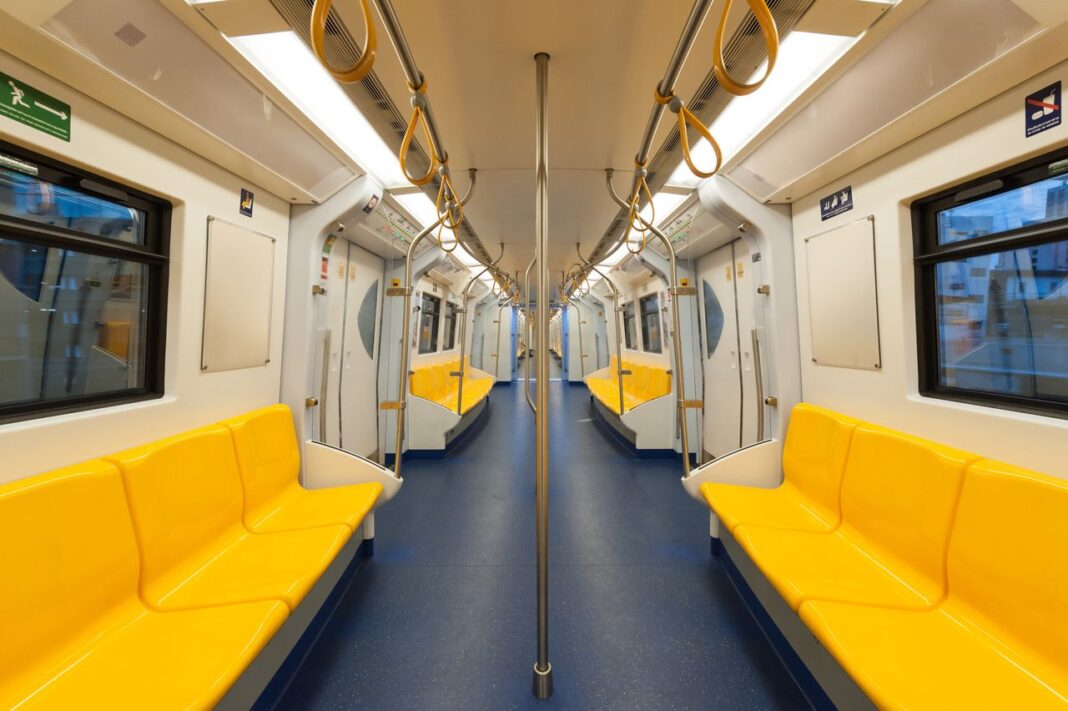
The city’s Metro network currently spans around 98 kilometres, despite operations beginning nearly 15 years ago. This translates to an average expansion rate of approximately 6.5 kilometres per year, which many experts consider insufficient for a metropolitan city of Bengaluru’s scale and growth trajectory.
The experience of Metro Phase II illustrates the financial impact of delays. Originally sanctioned at ₹26,405 crore, the 72-kilometre project’s revised cost has increased to over ₹40,400 crore due to prolonged implementation timelines.
As Bengaluru continues to evolve into one of India’s largest economic and technology hubs, timely approval and execution of Metro projects will be critical for ensuring sustainable mobility, reducing congestion, and supporting future urban development.