
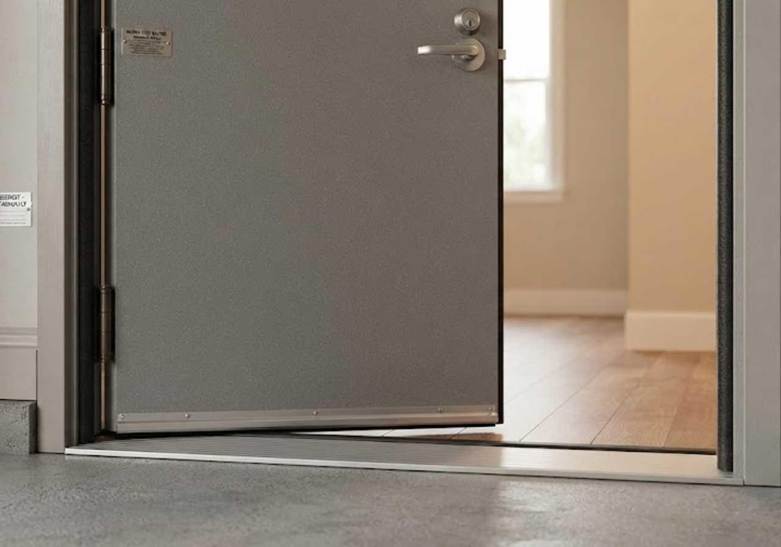
Yes, a Denver garage can be spray-foamed and converted into conditioned space. That is not very difficult. A garage isn’t the same as a bedroom or living room. It typically shares a wall with the house, often houses the furnace or water heater, and usually has a door that leaks more air than every other gap in the home combined. In Denver’s climate, an uninsulated attached garage often behaves like a cold sink, pulling down the temperature of whatever living space sits beside or above it. Spray foam insulation in Denver addresses a lot of this, but not all of it on its own.
This guide covers what has to be true before spray-foaming a garage, why the question of whether you should do this matters as much as whether you can, and why sealing a garage without a fresh-air plan can create a genuine safety problem instead of solving one.
Six Requirements for Turning a Denver Garage Into Conditioned Space
A Denver garage can become conditioned space through spray foam insulation by Grizzly Insulation CO, but a handful of prerequisites need to be in place first. Skipping any of them can mean spending the money without getting the result you actually wanted.
1. The fire-rated separation between the garage and the house has to be correct
Building codes require a fire barrier between an attached garage and the rest of the house, usually half-inch drywall on the garage side of any shared wall. If a room sits above the garage, the ceiling needs five-eighths-inch, fire-rated drywall instead. The door between the garage and the house also has to meet a standard: solid wood, solid steel, or a door rated for 20 minutes of fire resistance. Spray foam supplements this requirement rather than replacing it, and a contractor should confirm the separation is correct before the closed-cell spray foam goes in.
2. The garage door needs its own insulation
An uninsulated garage door undoes most of what spray foam accomplishes on the walls and ceiling. Garage doors are large, and a standard door offers almost no resistance to heat moving through it. Spray-foaming the walls and ceiling while leaving an old, uninsulated door in place effectively insulates three sides of a box and leaves the fourth wide open.
3. Any furnace or water heater in the garage needs to be checked
Many Denver garages house the home’s furnace or water heater. Older versions of these appliances pull combustion air from the surrounding room to burn gas safely. Sealing that room tightly with spray foam without accounting for this can starve the appliance of the air it needs, a genuine safety issue rather than a minor technical detail.
It can cause a furnace or water heater to send carbon monoxide back into the living space instead of venting it outside. If this applies to your garage, the project needs either a sealed-combustion appliance, which draws its combustion air from outside through a dedicated pipe, or a specific ventilation plan built into the spray foam work itself. This isn’t optional, and it isn’t something to sort out after the work is finished.
4. An actual way to heat and cool the space is required
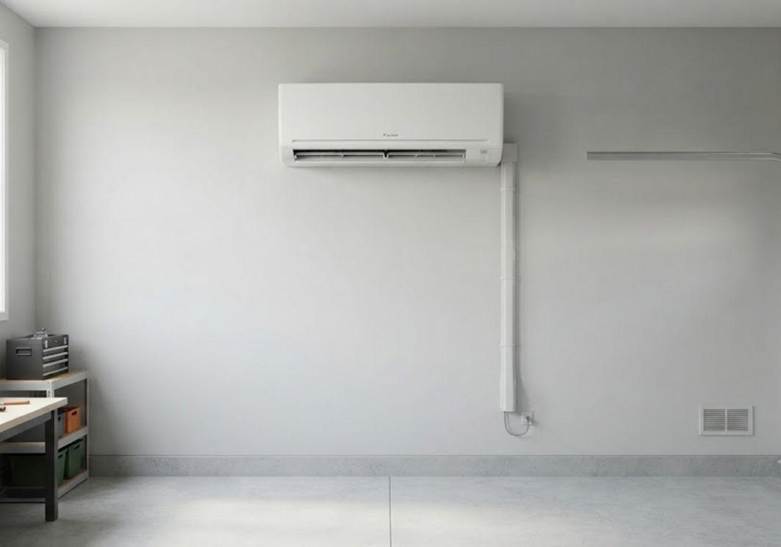
Spray foam insulation and air sealing raise a room’s effective R-value and tighten its thermal envelope, but they don’t generate heating or cooling on their own. A garage with excellent spray foam insulation and no heater will still be cold in January. Calling a space conditioned requires a heat source and a way to cool it in summer. For most Denver garage conversions, that means a ductless mini-split system, or extending the home’s existing ductwork into the garage if the system has the capacity for it.
5. A plan for moisture is necessary
Cars bring snow, ice, and road salt into a garage all winter. That moisture has somewhere to go in a leaky, uninsulated garage. In a sealed, spray-foamed garage, it no longer evaporates and disappears the same way. Without a plan for this, a sealed garage can end up with more moisture problems than it had before, not fewer.
6. Local building department requirements need to be checked
Spray foam insulation work in a garage doesn’t always require a permit on its own, but converting a garage into a heated, cooled, regularly used space sometimes does, especially when adding electrical circuits, a mini-split system, or new drywall. Checking with the City and County of Denver, or the relevant municipality outside Denver proper, before work begins is worth the time.
With all six of these handled, spray foam is an excellent way to turn a Denver garage into genuinely usable conditioned space. Skip even one, and the result can look finished while remaining unsafe or uncomfortable to actually use.
Weighing the Cost of a Denver Garage Conversion Against How You’ll Actually Use It
The prerequisites above answer whether a Denver garage can be spray-foamed. They don’t answer whether it should be. Spray foam costs more per square foot than fiberglass or blown-in insulation, and it requires a trained professional who understands how to seal the space without creating the appliance and moisture problems described above. This isn’t a minor home improvement expense, which makes it worth being honest about the underlying goal before committing to it.
IMAGE – “Can You Do It, or Should You Do It in Your Denver Home”.jpg

Consider what the space is actually for. A garage becoming a home gym, workshop, home office, or extra living area justifies the cost, since the improved comfort gets used daily. A garage used mainly to park a car and store a few boxes doesn’t need the same level of investment. Meaningful energy benefits are still available from sealing the shared wall between the garage and the house, without fully conditioning the entire space, at a considerably lower cost.
One more point worth being clear about: spray-foaming and conditioning a garage doesn’t automatically add to a home’s official square footage or resale value the way a permitted room addition does. Counting the space as finished living area on paper requires going through the local permitting process for a full conversion, including egress requirements if it will be used as a bedroom or other habitable room. A comfortable, usable space for personal daily use is a simpler and less expensive path, and it’s worth being explicit with a contractor about which of the two is actually the goal.
Why Sealing a Denver Garage Without a Ventilation Plan Creates a Safety Risk
Garage air isn’t the same as the air inside the house. It can carry vehicle exhaust, gasoline fumes, paint and solvent fumes, and dust from tools and projects. In a leaky, uninsulated garage, much of this escapes on its own through gaps in the walls, the door, and the framing. That leakage is bad for the energy bill, but it also happens to remove a lot of the pollutants in the space along with it.
Once a garage is spray-foamed and sealed, that natural leakage mostly stops. Without a deliberate ventilation plan replacing it, everything that used to leak out now stays inside instead. Vehicle exhaust poses a particular danger here: even briefly running a car in a sealed, insulated garage can build carbon monoxide levels far faster than in a leaky one, since the fumes have nowhere to go. Denver’s dry climate and high elevation don’t change this risk, since the problem is airflow, not humidity.
IMAGE – “The Part Most People Get Wrong Sealing It Without Letting It Breathe”.jpg
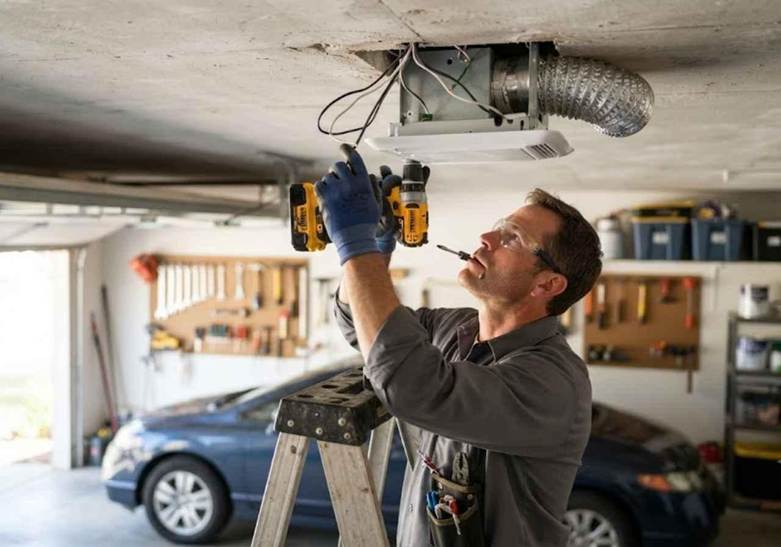
This is exactly why the goal of the project isn’t simply sealing every gap as tightly as possible. The actual goal is sealing the leaks that were wasting energy and letting unwanted air move between the garage and the house, while adding a deliberate, controlled path for fresh air to move through the space. These are two separate things, and a good spray foam contractor treats them as two distinct parts of the same project rather than assuming one automatically includes the other.
A few ways to handle this, depending on how the garage will be used:
- A dedicated exhaust fan. A fan sized for the garage’s square footage, ideally one that senses carbon monoxide or humidity and activates automatically, gives the space a way to clear fumes and moisture without relying on someone to remember to do it manually.
- A heat-recovery or energy-recovery ventilator. For a garage conditioned year-round and used heavily, one of these units brings in fresh outside air while recovering some of the heating or cooling energy already paid for, instead of simply venting conditioned air outside and letting outdoor air replace it.
- A carbon monoxide detector, regardless of what else is installed. Any fuel-burning appliance in the garage, or even occasional car parking, makes a CO detector near the door to the house non-negotiable. This holds true whether or not the space is spray-foamed, and it matters even more once the space is sealed tightly.
- Keeping the appliance situation separate from general air sealing. If a furnace or water heater lives in the garage, its combustion air needs are a distinct problem from the garage’s general air quality. That problem needs a specific solution, a sealed-combustion appliance or a dedicated air supply, rather than an assumption that a general exhaust fan will cover it.
Get this part right, and a spray-foamed Denver garage becomes a genuinely comfortable, safe, and usable space. Skip it, and the result is an airtight box built around exactly the kind of fumes that shouldn’t be concentrated in one place.
What to Know Before You Call a Spray Foam Contractor in Denver
Bringing these points into the first conversation with a contractor is worthwhile. A contractor who takes all of them seriously understands this is a different project than insulating an attic.
Image – _“What to Know Before You Call a Spray Foam Contractor in Denver”.jpg
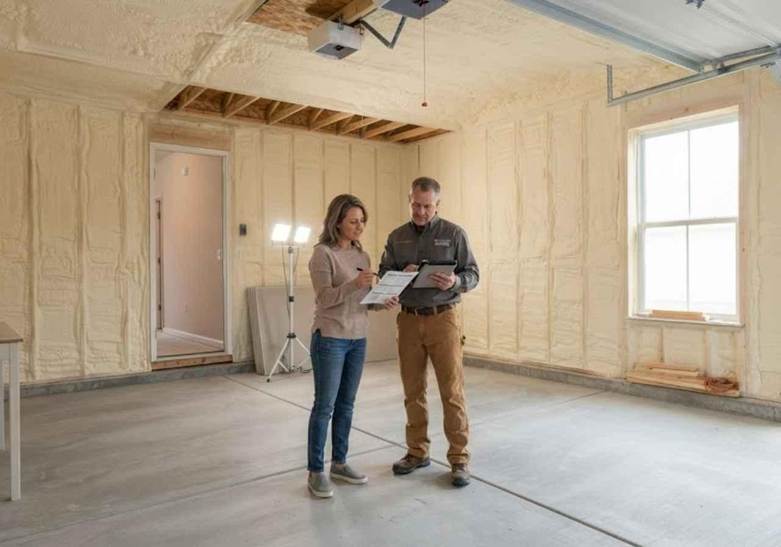
- Confirm the fire-rated separation between the garage and house meets code, and ask the contractor to check it rather than assume it’s already correct.
- Plan for garage door insulation as part of the project, not a separate task to handle later.
- Identify whether a furnace or water heater is in the garage, and get a clear answer about what that means for combustion air before any foam goes in.
- Decide how the space will actually be heated and cooled, since spray foam alone accomplishes neither.
- Ask specifically what the ventilation plan is, and confirm it includes a Carbon monoxide detector regardless of what else is installed.
- Have a plan for moisture, especially when parking a vehicle in the space during Denver winters.
- Check with the local building department about permit requirements before work begins, especially when adding electrical or HVAC equipment.
- Be honest about how the space will actually be used, since that should drive how much gets invested in conditioning it.
[IMAGE 4 – “The Bottom Line for Denver Garage Conversions”.jpg
Conclusion
Can a Denver garage be spray-foamed and turned into conditioned space? Yes. Should it be? That depends on the intended use, whether the fire separation, appliance, and ventilation requirements can be handled correctly, and whether the cost matches the value the finished space will provide.
At Grizzly Insulation CO, garage conversions are one of the projects where as much time goes into asking questions before the quote as into discussing the foam itself. The insulation itself is the easy part, while getting the fire separation, the combustion air, and the ventilation right is what actually determines whether the finished space ends up comfortable and safe, or just airtight.






